
Plants
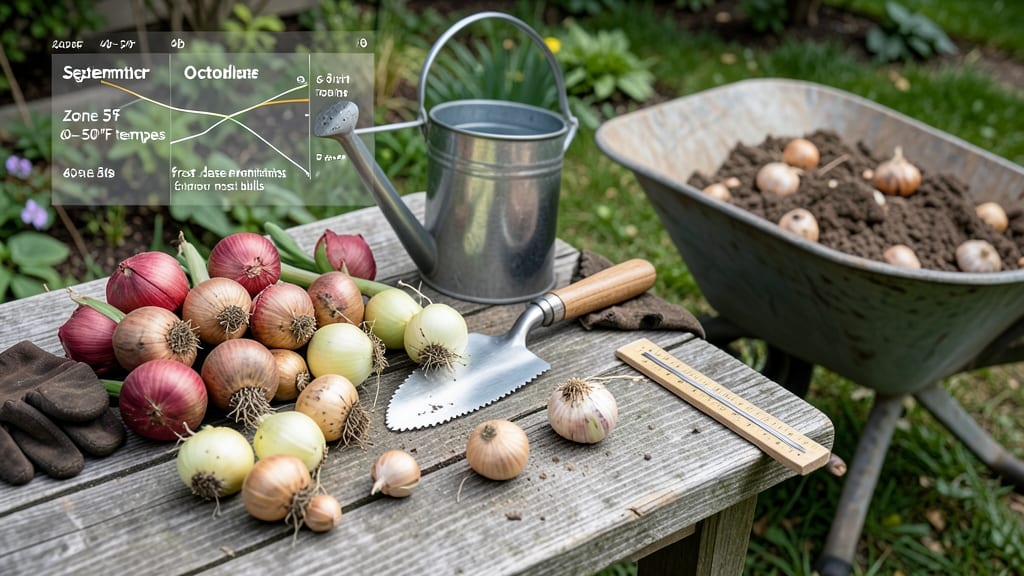
Planting bulbs in Zone 5B at the wrong time can mean the difference between a garden bursting with color and a missed opportunity for next year's blooms.
The key is understanding that fall planting for spring flowers—and spring planting for summer varieties—requires precise timing to avoid frost damage or stunted growth.
With Zone 5B's short growing season and unpredictable frost dates, knowing when to plant your 🌱 bulbs (like tulips or daffodils) makes all the difference. I'll break down the exact months to plant, how to adjust for early or late frosts, and what to do if you miss the window.
Let's get those bulbs in the ground at the perfect moment for vibrant blooms.
Most gardeners in Zone 5B focus on fall planting, but spring-planted bulbs also have their place. We'll cover both strategies, including soil prep tips and how to time it with your local frost dates.
Whether you're a beginner or a seasoned gardener, these insights will help you avoid common mistakes and maximize your garden's potential.
Ready to transform your garden? By the end of this guide, you'll know exactly when to plant each type of bulb in Zone 5B, plus pro tips to ensure they thrive year after year. Let's dive in!
Zone 5B bulb planting calendar: exact months for each type
Zone 5B gardeners face a short but critical planting window for bulbs. Most spring-blooming varieties like tulips and daffodils need to be planted in fall, while summer-blooming types like dahlias wait for spring. Understanding these timelines ensures your bulbs establish roots before winter or after frost risk.
In Zone 5B, the first frost typically arrives October 15, leaving just 6-8 weeks to plant fall bulbs before the ground freezes. Spring planting, however, starts after the last frost around April 15. Let’s break down the exact months for each bulb type to maximize your garden’s potential.
🌱 Fall-Planted Bulbs (Spring Blooms): These include tulips, daffodils, hyacinths, and crocus. They require 6-8 weeks of cool soil before winter dormancy. Plant them between September 15 and November 1 for the best results.
🌿 Spring-Planted Bulbs (Summer Blooms): Types like dahlias, gladiolus, and caladiums need warmer soil to sprout. Wait until after the last frost, typically mid-April to early May, to plant these varieties.
Zone 5B Bulb Planting Schedule
| Bulb Type | Planting Window | Depth | Spacing | Notes |
|---|---|---|---|---|
| Tulips | September 15 - October 15 | 6-8 inches | 4-6 inches apart | Plant in well-drained soil; avoid soggy spots. |
| Daffodils | September 15 - November 1 | 6-8 inches | 3-6 inches apart | Deer-resistant; great for borders. |
| Hyacinths | September 15 - October 15 | 6 inches | 4-6 inches apart | Plant in clusters for fragrance. |
| Crocus | September 15 - October 30 | 3-4 inches | 2-3 inches apart | Early bloomers; great for winter interest. |
| Dahlias | April 15 - May 15 | 4-6 inches (tubers) | 12-18 inches apart | Wait until soil warms to 60°F. |
| Alliums | September 15 - October 15 | 6-8 inches | 6-12 inches apart | Drought-tolerant; great for pollinators. |
For fall-planted bulbs, aim to finish planting by October 15 to give roots time to establish before
Zone 5B bulb planting calendar: exact months for each type
In Zone 5B, the ideal window for planting most bulbs is between September and November, but timing varies by bulb type. Spring-blooming bulbs like tulips and daffodils need to establish roots before winter, while summer-blooming varieties (like dahlias) go in after the last frost.
Let’s break down the exact months for each category, including adjustments for early or late frosts.
For fall-planted bulbs, aim to get them in the ground 6-8 weeks before the first frost (typically mid-October in Zone 5B). This gives roots time to form before winter.
Spring-planted bulbs, like gladiolus or caladiums, wait until after your last frost date (around mid-April in most of Zone 5B).
🌱 Zone 5B Bulb Planting Schedule
| Bulb Type | Planting Window | Soil Temp | Depth |
|---|---|---|---|
| Tulips, Daffodils, Hyacinths | September–October | 50–60°F | 6–8 inches |
| Crocus, Snowdrops | September–October | 45–55°F | 3–4 inches |
| Dahlias, Caladiums | April–May | 60°F+ | 4–6 inches |
| Alliums, Fritillaries | September–October | 50–60°F | 6–8 inches |
📌 Pro Tip: Use a soil thermometer to confirm temps before planting.
If your Zone 5B area experiences an early frost, shift your fall planting to late August or early September for bulbs like tulips. Conversely, if frost arrives late, you can extend planting into early November.
For spring-planted bulbs, wait until soil temperatures consistently stay above 55°F to avoid rot.
Local microclimates (like south-facing slopes) can also affect timing. In colder microclimates, plant 2 weeks earlier to ensure roots establish before winter. Conversely, in warmer pockets, delay planting by 1-2 weeks to avoid premature sprouting.
Always check your local frost dates (via USDA Plant Hardiness Zone Map or local extension services) to fine-tune your schedule. A general rule: plant bulbs when daytime temps are 60–70°F and nighttime temps drop to 40–50°F. This balance ensures healthy root growth without encouraging early shoots.