
Plants
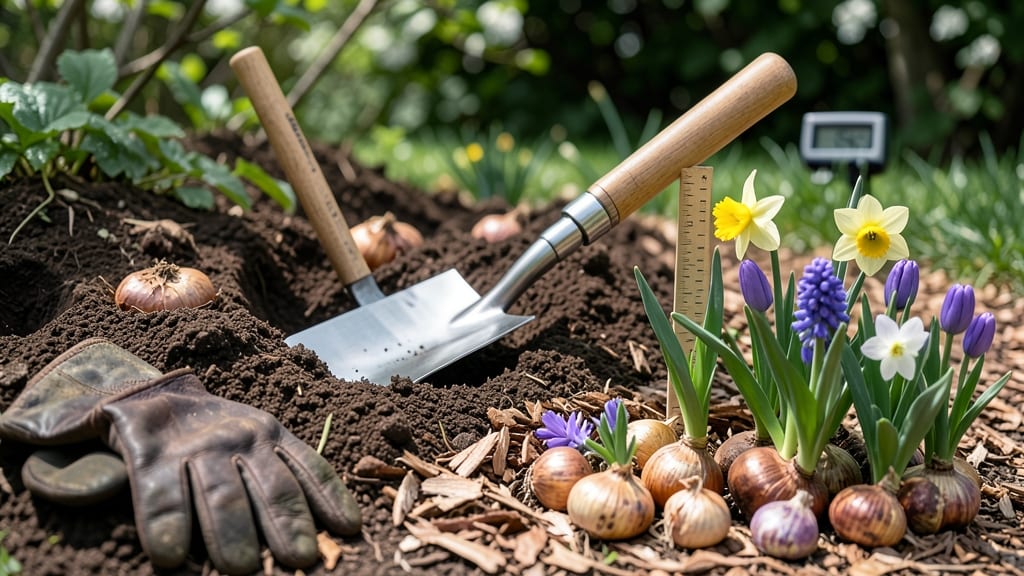
Planting bulbs at the wrong time in Zone 6 (General) can mean the difference between a showstopping spring display and a total flop. The key isn't just throwing them in the ground—it's understanding when to plant them so they get the perfect chill hours to bloom beautifully.
Whether you're dreaming of tulips or daffodils, timing is everything for perfect results.
Most gardeners know fall is the best time, but did you know planting too early can rot your bulbs? Or that some varieties need a specific number of cold weeks to trigger blooms?
I'll break down the science behind chill-hour charts and how they apply to your Zone 6 (General) garden. No guesswork—just data-driven timing for vibrant flowers year after year.
Let's talk about the 3 critical windows for planting in Zone 6 (General): early fall, late fall, and even spring adjustments. I'll cover which bulbs thrive in each window and how to prep your soil for maximum success.
Plus, I'll share the most common mistakes that sabotage blooms—and how to avoid them.
Ready to transform your garden? By the end, you'll know exactly when to plant your 🌱 bulbs for the most stunning spring display. No more missed opportunities—just perfect timing, every time.
Zone 6 chill-hour requirements for popular spring bulbs
Understanding chill-hour requirements is the secret to growing vibrant spring bulbs in Zone 6. These hours determine when bulbs wake from dormancy, ensuring perfect blooms. Most spring-flowering bulbs need 300–1,500 chill hours (below 45°F) to trigger flowering.
Plant too early, and they’ll rot; too late, and they won’t bloom. Let’s break down the science behind timing for your favorite bulbs.
For Zone 6, aim to plant bulbs 6–8 weeks before the ground freezes (typically late September to mid-November). This window ensures bulbs get enough cold exposure while avoiding rot from soggy soil.
Cool-season bulbs like tulips and daffodils thrive here, while warm-season bulbs (like cannas) need a different approach. Let’s dive into the specifics.
| Bulb Type | Chill Hours Needed | Ideal Planting Window (Zone 6) | Notes |
|---|---|---|---|
| Tulips | 800–1,200 hours | Late September–October | Plant deep (6–8" below soil) for best results. |
| Daffodils | 300–600 hours | October–November | Tolerates partial shade; deer-resistant. |
| Hyacinths | 900–1,200 hours | Late September–October | Needs well-draining soil; toxic to pets. |
| Alliums | 600–1,000 hours | October–November | Drought-tolerant; great for pollinators. |
| Crocus | 300–500 hours | September–October | One of the earliest bloomers; naturalizes well. |
Not all bulbs require the same chill hours. For example, tulips need 800–1,200 chill hours, while daffodils thrive with just 300–600 hours. This means tulips planted in late September will likely bloom earlier than daffodils planted the same month.
Always check the chill-hour chart on bulb packages for exact needs—some varieties are bred for lower chill zones.
If you’re unsure about your local chill hours, use a garden thermometer to track temperatures. Most Zone 6 areas hit the required chill hours by mid-November, but early freezes can shorten the window.
For example, if your area freezes by early November, plant bulbs by mid-October to avoid dormancy issues. Adjust for microclimates—shady spots freeze faster than sunny ones.
Warm-season bulbs, like gladiolus or dahlias, follow a different rule: plant them in spring (March–April) after the last frost. These bulbs need warmth to break dormancy, not cold. Mixing cool- and warm-season bulbs in your garden adds year-round interest, but timing is critical.
For example, tulips planted in spring won’t bloom until next year—they need a full chill cycle.
Pro tip: Layer bulbs by depth and chill needs. Plant crocus (shallow, early bloomer) above tulips (deeper, later bloomer). This creates a stunning staggered bloom effect from early spring to summer.
Just ensure no bulb sits in soggy soil—even chill-loving varieties rot if overwatered. Aim for well-draining soil with a mix of compost for best results.
For Zone 6 gardeners, the key takeaway is this: Plant cool-season bulbs in fall (September–November) and warm-season bulbs in spring (March–April). Use the chill-hour chart as your guide, and don’t rush—patience ensures bigger, brighter blooms next spring.
If you’re new to bulbs, start with daffodils or alliums; they’re forgiving and thrive in Zone 6 conditions.
Now that you’ve got the timing down, let’s talk about soil prep and planting depth—critical steps to avoid common bulb mistakes. Stay tuned for our next section on month-by-month planting guides tailored for Zone 6 gardens! 🌱
Step-by-step guide to planting bulbs in Zone 6 by month
In Zone 6, your fall planting window is the golden ticket to stunning spring blooms. Most bulbs need 6-8 weeks of chill hours before the ground freezes, so aim to plant between mid-September and mid-November. This timeline ensures bulbs establish roots before winter dormancy kicks in.
For spring-flowering bulbs like tulips and daffodils, fall is the only game in town. Planting in spring simply won’t give them enough cold exposure to bloom. However, summer-blooming bulbs (like dahlias) can be planted in spring—just wait until after the last frost date (mid-April in Zone 6).
Here’s your month-by-month checklist to nail bulb planting in Zone 6:
📅 September: Early Bird Special
🌱 Action: Plant crocus and snowdrops (they need less chill time). Soil temps should be 60°F or below.
💡 Pro Tip: Amend soil with compost for better drainage—waterlogged bulbs rot faster.
📅 October: Peak Planting Month
🌱 Action: Plant tulips, daffodils, hyacinths. Aim for 6-8 weeks before first frost (usually mid-October).
⚠️ Warning: Avoid planting if soil temps rise above 50°F—bulbs may sprout too early and freeze.
📅 November: Last Chance for Late Bloomers
🌱 Action: Plant alliums and late-blooming tulips. Cover bulbs with 2-3 inches of mulch after planting.
💡 Pro Tip: Use a soil thermometer—stop planting once temps drop below 40°F.
📅 March-April: Spring Adjustments
🌱 Action: Plant summer bulbs (dahlias, gladiolas) after last frost. No chill needed!
⚠️ Warning: Never plant spring-flowering bulbs in spring—they’ll never bloom.
After planting, leave foliage until it yellows—this feeds the bulb for next year’s blooms. Mulch helps insulate roots in winter, but avoid piling it against bulb stems. In spring, remove mulch after the last frost to let bulbs wake up naturally.
Zone 6’s variable winters mean some years are colder than others. If you miss the fall window, don’t panic—just wait for spring and focus on summer-blooming bulbs instead. With this timeline, you’ll have vibrant blooms from early spring to late summer—no guesswork, just results!