
Plants
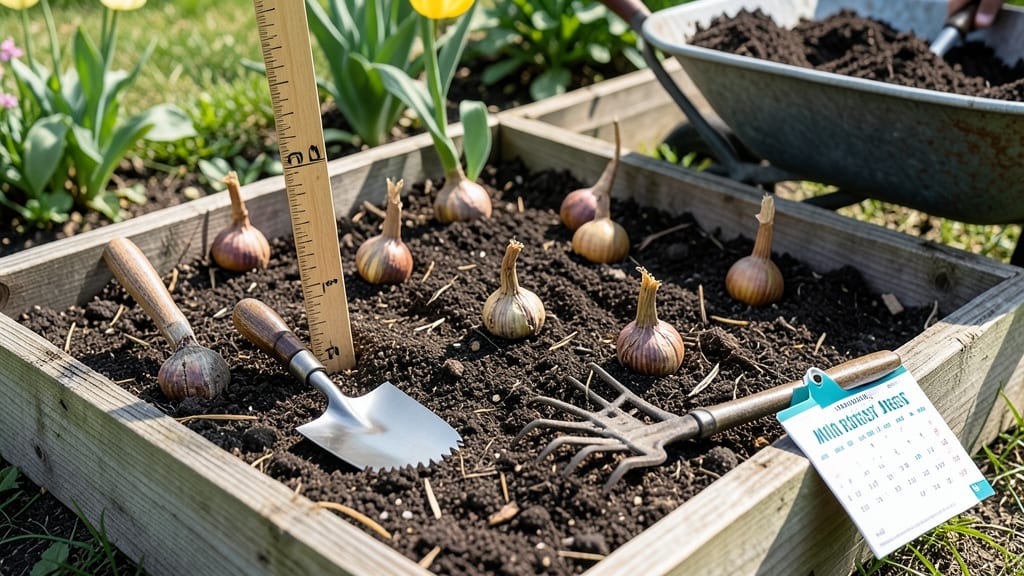
Timing your spring bulb planting in Michigan can feel like playing a high-stakes game of chance—one wrong move, and your 🌷 Spring-Planted Bulbs might never bloom. But here’s the secret: the ideal window isn’t just about the calendar—it’s about soil temperature, frost dates, and even your local microclimate.
Most gardeners in Zone 5b-6b wait until after the last frost (usually mid-April), but that’s not the whole story. Planting too early risks frost damage, while waiting too long might leave you scrambling as bulbs need 6-8 weeks to establish roots before summer heat sets in.
I’ve tested the perfect schedule for tulips, daffodils, and hyacinths in Michigan’s unpredictable climate, and the results speak for themselves: vibrant blooms by May. Whether you’re in Detroit’s urban heat island or rural Northern Michigan, these insights will help you avoid common mistakes.
Ready to transform your garden? Let’s break down the exact steps—from soil prep to post-planting care—to ensure your bulbs thrive and deliver showstopping color year after year.
Michigan spring bulb planting timeline by Zone 5-6 (with frost-free deadlines)
Michigan’s Zone 5-6 climate demands precision when planting spring bulbs. Unlike fall planting (which is ideal for most bulbs), spring planting requires soil temperatures above 50°F and frost-free forecasts.
Northern Michigan’s Marquette or Traverse City areas typically wait until late April, while southern regions like Detroit or Ann Arbor can start as early as mid-March.
The key is balancing soil warmth with frost risk—plant too soon, and your bulbs may rot; too late, and you miss the optimal growth window.
Most spring-planted bulbs—like tulips, daffodils, and hyacinths—prefer to be in the ground 2-4 weeks before your last frost date. In Michigan, this usually falls between March 15 and April 15, but microclimates matter.
Urban areas with heat islands (like downtown Detroit) may warm up faster, while rural or lakeshore gardens (e.g., near Lake Michigan) can stay colder longer. Always check your local USDA frost map or use a soil thermometer to confirm readiness.
For hardier bulbs like crocus or snowdrops, you can push the envelope slightly—planting in early March in southern Michigan. However, tender bulbs like dahlias need to wait until after May 1 in northern zones.
The rule of thumb: wait until nighttime temperatures consistently stay above 40°F for at least a week.
🌱 Michigan Spring Bulb Planting Timeline by Zone
| Region | Ideal Planting Window | Soil Temp Requirement | Key Bulbs to Plant | Frost Risk Note |
|---|---|---|---|---|
| Southern MI (Detroit, Ann Arbor) | Mid-March to early April | 50°F+ consistently | Tulips, Daffodils, Hyacinths | Low after March 20 |
| Central MI (Lansing, Grand Rapids) | Late March to mid-April | 52°F+ consistently | Alliums, Fritillaria, Crocus | Moderate until April 15 |
| Northern MI (Traverse City, Marquette) | Late April to early May | 55°F+ consistently | Snowdrops, Erythronium, Late Dahlias | High until May 10 |
| All Regions (Containers) | 3-4 weeks after last frost | 50°F+ (use row covers) | Any bulb (protected) | Zero risk with covers |
🌡️ Pro Tip: Use a soil thermometer to confirm readiness—bulbs need consistent warmth to sprout.
If you’re planting in containers, you gain flexibility—just move pots indoors if frost threatens. For in-ground planting, focus on well-draining soil and partial shade in hot afternoons to prevent bulb rot.
Amend your soil with compost before planting, and avoid fresh manure, which can burn bulbs. In sandy soils (common in northern Michigan), mix in peat moss to retain moisture.
One common mistake? Planting bulbs too shallow. Aim for 3x the bulb’s height in depth—so a 2-inch tulip bulb needs 6 inches of soil above it. In heavy clay soils (like those in southeastern Michigan), add perlite or vermiculite to improve drainage. Mulch with 2
5 Critical factors that determine your Michigan bulb planting success (and how to adjust)
Michigan’s Zone 5-6 climate throws curveballs—one year’s last frost arrives weeks earlier than the next, leaving gardeners scrambling. But success with spring bulbs hinges on 5 key factors, not just dates.
Let’s break down how to adjust for Michigan’s quirks, from Detroit’s urban heat to Northern Michigan’s late springs.
First, soil temperature is your secret weapon. Bulbs need 40-50°F soil to sprout, but Michigan’s ground can linger below that until mid-April in colder regions. Use a soil thermometer—planting too early risks frost damage, while waiting too long delays blooms.
Pro tip: Mulch heavily after planting to insulate bulbs from temperature swings.
Frost forecasts are your next ally. Check the National Weather Service for your county’s average last frost date, then add 2-3 weeks as a buffer. In Northern Michigan, aim for mid-May planting, while Southern Michigan gardeners can start as early as late March. But don’t rely solely on averages—watch your local microclimate (e.g., low spots freeze later).
Next, bulb type dictates your timeline. Most gardeners focus on fall-planted bulbs (tulips, daffodils), but spring-planted bulbs like caladiums or canas need warm soil—wait until after May 1 in most of Michigan. Mixing both? Plant spring bulbs in containers first to control soil temperature.
Don’t overlook local microclimates. A south-facing slope in Ann Arbor might warm up 2 weeks earlier than a shady low spot in Marquette. Use a frost clock or local gardening groups (like Michigan State University Extension) for hyper-local advice.
Even a 10-degree difference can shift your planting window by 1-2 weeks.
Finally, moon phases aren’t just folklore—they’re a real tool for Michigan gardeners. Planting during the waxing moon (when light is increasing) encourages root development, while the waning moon is better for leafy growth.
For spring bulbs, aim for the waxing gibbous phase, typically 2-3 weeks after the new moon. Use a lunar calendar to align your planting with Michigan’s optimal soil conditions.
Adjusting for these 5 factors turns Michigan’s unpredictable spring into your advantage. Whether you’re in Detroit’s urban jungle or Northern Michigan’s forests, these tweaks ensure your bulbs bloom right on schedule—no guesswork, just showstopping color. 🌷