
Plants
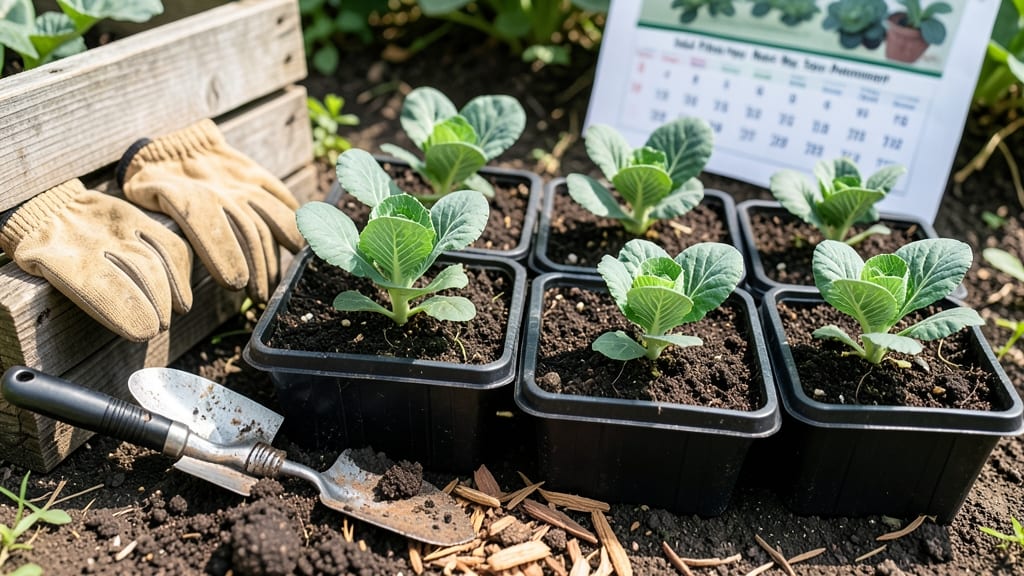
Planting cabbage 🥬 in California isn't just about grabbing seeds and sticking them in the dirt—it's about mastering the timing to avoid bitter bolts or stunted growth. The wrong start date could mean watching your plants wilt in summer heat or struggle through coastal fog.
But get it right, and you'll enjoy crisp, homegrown heads from November through July, no matter if you're in sun-soaked Zone 10 or inland Zone 9.
Here's the secret: coastal gardeners can start as early as August, while inland growers should wait until September to avoid heat stress. The key is understanding your microclimate—foggy mornings in Santa Cruz mean different prep than the Central Valley's baking afternoons.
I'll break down exactly when to plant for your specific corner of California, so you can skip the guesswork and head straight to harvest.
Most gardeners make one of three critical mistakes when planting cabbage here: planting too early and risking frost damage (yes, even in California!), ignoring soil prep for clay-heavy inland areas, or choosing heat-sensitive varieties for summer crops.
We'll cover all of that—and more—so you can enjoy those perfect, dense heads without the frustration.
Ready to grow cabbage that rivals the farmers' market? Let's dive into the exact planting windows, soil tricks, and variety picks that'll have you harvesting like a pro. Whether you're a first-time gardener or a seasoned green thumb, these insights will transform your next planting season.
Optimal cabbage planting dates by California region (coastal vs inland)
Cabbage thrives in California’s cool seasons, but timing varies dramatically between coastal and inland regions. Coastal areas like San Francisco enjoy mild winters with rare frost, while inland zones (Central Valley, deserts) face hot summers and occasional winter chills.
Let’s break down the best planting windows for each zone to maximize your harvest.
For coastal California (USDA Zone 10), cabbage grows year-round with two ideal planting windows: fall (August–October) for winter harvests and spring (February–March) for summer crops.
Inland areas (Zones 9–10) should focus on fall planting (August–September) to avoid summer heat stress, with a secondary window in late winter (February) for spring harvests.
Here’s how to align your planting with California’s microclimates—because a 10-mile elevation change can shift your ideal start date by weeks. The key? Avoid heat exposure (above 80°F) and late-season frost (rare on coasts, common inland).
| Region | Best Planting Window | Harvest Time | Key Considerations |
|---|---|---|---|
| Coastal (San Francisco, Santa Barbara) | Fall: August 15–October 15 Spring: February 1–March 15 |
Fall: November–January Spring: May–July |
No frost risk; extend season with shade cloth in summer. |
| Central Valley (Sacramento, Fresno) | Fall: August 1–September 15 Spring: February 15–March 10 |
Fall: October–December Spring: April–June |
Avoid summer heat; use row covers for frost protection. |
| Desert (Palm Springs, Death Valley) | Fall: July 15–August 30 Spring: January 15–February 10 |
Fall: September–November Spring: March–May |
Plant in shade or use drip irrigation to prevent bolting. |
If you’re in coastal fog belts (e.g., Monterey, Big Sur), you can push boundaries with year-round planting. Start summer crops (June–July) in partial shade, but expect slower growth. Inland gardeners should prioritize fall transplants—spring plantings often bolt before forming heads due to rising temperatures.
Pro tip: Use heat-tolerant varieties like ‘Golden Acre’ or ‘Surprise’ for inland summers, or ‘Red Express’ for coastal color. These varieties handle 5–10°F warmer conditions than standard cabbages. Always check seed packets for days to maturity—longer varieties need earlier starts.
For second crops, coastal gardeners can sow late winter (January) for a spring harvest, while inland areas should wait until late February to avoid frost. Timing your second crop right means continuous harvests from November through July.
Remember: Soil temperature matters just as much as air temperature. Cabbage seeds need 45–85°F soil to germinate. Use a soil thermometer if your region has unpredictable swings—especially in transition months like April or October.
Finally, transplant shock is a real risk in California’s variable climate. Harden off seedlings for 10–14 days before moving them outdoors, and water deeply the day of transplanting to reduce stress. This extra step can mean the difference between bolting and a perfect head.
Optimal cabbage planting dates by California region (coastal vs inland)
California’s microclimates create a puzzle for cabbage growers—plant too early in the Central Valley, and heat will bolt your crop; wait too long in coastal fog belts, and you’ll miss the sweet spot for crisp heads.
The key? Aligning your planting window with your region’s last frost date and daylength sensitivity.
For coastal California (USDA Zone 10), where winters are mild and summers foggy, your best bet is a fall planting (August–October) or a spring transplant (February–March).
Inland areas (Zones 8–9), with hotter summers and cooler winters, thrive with late summer starts (July–August) for fall harvests or early spring (February) for summer crops.
🌱 Did You Know? Coastal cabbages like ‘Golden Acre’ can bolt in summer heat, while inland varieties such as ‘Red Express’ handle warmer days better.
🥬 Cabbage Planting Timeline by California Region
| Region | Best Planting Window | Transplant Outdoors | Harvest Time | Key Tip |
|---|---|---|---|---|
| Coastal (San Francisco, Santa Barbara) | August–October | September–November | November–January | Use row covers in winter |
| Inland (Sacramento, Fresno) | July–August (fall) or February (spring) | August–September or March–April | October–December or May–July | Shade cloth for summer transplants |
| Desert (Palm Springs, Joshua Tree) | September–October | October–November | December–February | Irrigate deeply 2x/week |
If you’re aiming for a year-round harvest, stagger your plantings: Start seeds indoors in June for a fall crop, then again in January for a spring harvest. This two-crop strategy works beautifully in coastal zones where winters stay mild.
Pro tip: Use seed-starting trays 6–8 weeks before your region’s transplant date. Coastal gardeners can push this to 7–10 weeks in late summer for fall crops, while inland growers should limit to 5–6 weeks to avoid leggy seedlings in heat.
For high-elevation areas (like the Sierra foothills), delay planting until after May 1 to dodge late spring frosts. Monitor your local agricultural extension office for microclimate alerts—they’ll save you from costly mistakes.
Remember: Cabbage hates heat. Inland gardeners should prioritize shade cloth or drip irrigation during summer months to keep soil temps below 80°F—any hotter, and your plants will bolt faster than a rabbit in a vegetable patch. 🥬