
Plants
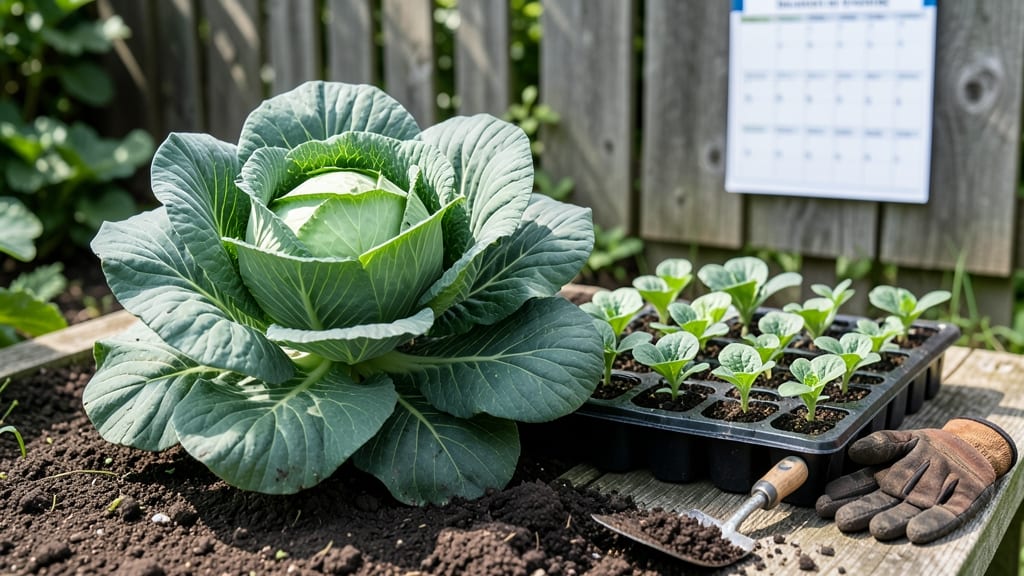
Planting cabbage in Maryland at the wrong time can mean the difference between a thriving 🥬 harvest and a sad, wilted disappointment. The key to success lies in understanding your local frost dates and matching them with the right planting window for your variety.
Maryland’s USDA Zones 6b-7a bring unique challenges, from unpredictable spring frosts to sweltering summer heat. Whether you're growing heat-tolerant varieties like Golden Acre or cold-hardy Savoy, timing is everything. I’ll show you exactly when to get those seeds in the ground for the most reliable results.
Most gardeners focus on spring planting, but fall cabbage often produces sweeter, more tender heads. We’ll cover both seasons, including how to adjust for Maryland’s microclimates—whether you're in coastal areas with higher humidity or inland regions where nights stay warmer. No more guessing games about frost dates!
Ready to grow cabbage that thrives from seed to harvest? Let’s break down the perfect planting schedule, soil prep tips, and how to avoid common mistakes that derail Maryland gardeners every year. Your garden’s about to get a whole lot easier.
Maryland cabbage planting calendar: frost dates and ideal windows by variety
Maryland’s USDA zones 5b-7a create a unique challenge for cabbage growers—late spring frosts can devastate early plantings, while summer heat forces bolting in late varieties.
The key is matching your cabbage variety to the right planting window, whether you're growing Golden Acre for early harvests or Savoy cabbage for fall storage.
Most Maryland gardeners aim for two harvests per year: one in late spring/early summer and another in fall. The last average frost date in Maryland falls around mid-April in most regions, with first frost typically arriving in mid-October.
However, coastal areas like Annapolis may experience frost 2-3 weeks later than inland zones like Hagerstown.
Here’s how to align your planting with Maryland’s climate—variety by variety—to maximize success and avoid common pitfalls like frost damage or premature bolting.
For spring plantings, aim to transplant seedlings 4–6 weeks before your last frost date. In Maryland, this typically means late March to mid-April for most regions. Early varieties like Golden Acre can handle cooler soils, while late varieties like Savoy need warmer conditions to prevent bolting.
Fall plantings require 8–10 weeks before the first frost, so late July to early August is ideal. Heat-tolerant varieties like Super Red 80 perform best in coastal areas, where summer humidity can stress other types. Always mulch heavily in fall to protect roots from temperature swings.
Pro tip: Use floating row covers to extend your spring planting window by 2–3 weeks. This lets you start Early Jersey Wakefield as early as late February in protected beds, giving you a jump on pests and frost.
Remember, Maryland’s microclimates vary dramatically—coastal gardens stay cooler longer, while Piedmont regions warm up faster. Adjust your timing based on your specific location and soil conditions for the best results. 🥬
How to adjust planting times for Maryland’s microclimates and soil conditions
Maryland’s diverse climate—from coastal humidity to inland Piedmont warmth—means your cabbage planting timeline should adapt to your specific location. Coastal areas like Annapolis or Cumberland stay cooler longer, while Frederick or Hagerstown experience warmer nights that can stress seedlings. Understanding these microclimates helps you fine-tune your schedule for success.
For urban gardens with limited space, consider container planting with heat-tolerant varieties like Red Express. These thrive in smaller pots and handle summer heat better than traditional types. Just ensure containers have drainage holes to prevent root rot—a common issue in Maryland’s heavy clay soils.
Soil type plays a huge role too. Sandy soils in Eastern Shore regions drain quickly, requiring more frequent watering, while clay-heavy soils in Western Maryland can suffocate roots. Amend your soil with compost or aged manure 4-6 weeks before planting to improve structure and fertility.
🌱 Maryland Microclimate Adjustments
- Coastal Areas: Start seedlings 2-3 weeks earlier (late February) to beat delayed warming.
- Piedmont Regions: Plant late April to avoid summer bolting; use shade cloth if temps exceed 85°F.
- Urban Gardens: Opt for compact varieties (e.g., Miniature Drumhead) in containers with south-facing exposure.
- Sandy Soils: Water daily for first 2 weeks; mulch heavily to retain moisture.
- Clay Soils: Plant on raised beds with 50% compost to prevent compaction.
Succession planting is your secret weapon for a continuous harvest. In Maryland, sow new seeds every 2 weeks from March through May for spring crops, and again in August for fall. This staggered approach ensures you’re always harvesting fresh heads while avoiding the bolting risk that hits late-spring plantings.
Don’t underestimate the power of row covers for early starts. Lay lightweight fabric over seedlings in late March to protect them from unpredictable frost while still allowing sunlight. Remove covers when temps consistently stay above 50°F at night to prevent overheating.
Finally, watch for heat stress signs like yellowing leaves or stunted growth during Maryland’s summer heatwaves. If your cabbage bolts (sends up a flower stalk), it’s too late to save that plant—but future plantings should start earlier in cooler months or use shade cloth during peak afternoon sun.