
Companion Plants
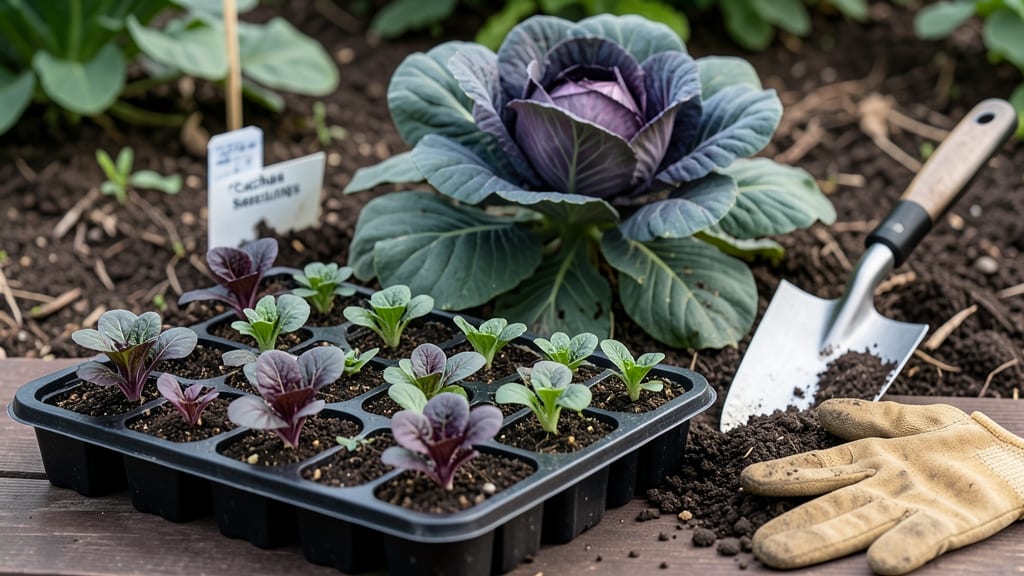
Planting cabbage in Alabama at the wrong time means watching your crisp, 🥬 heads turn bitter or bolt before harvest—something no gardener wants. The key to success lies in understanding Alabama's unique climate, where USDA zones 7b-8b demand precise timing to avoid heat stress or early frost damage.
Most gardeners in Alabama know the struggle: summer heat forces cabbage to bolt, while late fall planting risks frost before maturity. But there’s a sweet spot—two planting windows that actually work.
Whether you're a seasoned gardener or just starting, these strategies will help you grow cabbage that’s crisp, flavorful, and ready to harvest.
For best results, focus on early spring (February–March) or late summer/early fall (July–August) plantings. These windows align with Alabama’s cooler periods, giving your cabbage the ideal conditions to thrive. We’ll break down exactly how to time your plantings for maximum success, including soil temperature tips and variety recommendations.
Ready to grow cabbage that stands up to Alabama’s heat and humidity? Let’s dive into the exact months and techniques that make all the difference in your garden’s success.
Best planting months for cabbage in Alabama’s heat zones
Alabama’s USDA zones 7b-8b offer two ideal windows for growing cabbage: early spring and late summer. The key is avoiding heat stress and bolting, which turn your crisp heads into bitter, seed-filled disappointment.
Timing your planting schedule around Alabama’s last and first frost dates (mid-March and mid-November) is crucial for success.
For spring cabbage, aim to plant 6-8 weeks before your last frost date, typically between February and early March. This gives seedlings time to establish roots before Alabama’s soil warms too quickly.
Meanwhile, fall cabbage thrives when planted in late July or August, allowing heads to mature before winter chills arrive.
Here’s how to align your planting with Alabama’s climate conditions:
| Planting Window | Alabama Months | Soil Temp | Key Notes |
|---|---|---|---|
| Early Spring | February–March | 40–50°F | Start indoors 6–8 weeks before last frost; transplant after soil warms |
| Late Summer | July–August | 60–70°F | Choose bolt-resistant varieties; mulch to cool roots |
| Fall Extension | September (high elevations) | 50–60°F | Use cold-hardy varieties; protect with row covers |
Alabama’s northern regions (zone 7b) can push spring planting slightly later into early April, while southern areas (zone 8a) should prioritize July-August plantings to escape summer’s intensity. The 100°F+ heat waves common in June can cause bolting—where cabbage flowers prematurely—so avoid planting then unless you’re using heat-tolerant varieties.
For transplanting seedlings, wait until soil temperatures reach at least 40°F in spring or 60°F in fall. Use a soil thermometer to check—Alabama’s clay-heavy soils can stay cool longer than you’d expect. If your garden’s microclimate runs hot (like near pavement), opt for shade cloth during peak afternoon sun.
Pro tip: Direct sowing in Alabama’s fall garden works best in late July for a November harvest. Space seeds 18–24 inches apart to prevent crowding, which stresses plants and invites pests.
If you’re starting indoors, use grow lights to simulate long days—cabbage needs 14+ hours of light daily to prevent stretching.
Remember, Alabama’s humidity can accelerate disease pressure, so always rotate crops and avoid planting cabbage where brassicas grew the prior year. A 3-year rotation keeps clubroot and black rot at bay.
Your harvest window will be 60–90 days after planting, depending on variety. For spring crops, expect April–May harvests, while fall plantings yield in October–November. Save seeds from your healthiest heads for next year’s garden—just let a few plants bolt naturally in the spring.
With these Alabama-specific timing tips, you’ll enjoy crisp, sweet cabbage all season long—no bitter surprises here! 🥬
Best planting months for cabbage in Alabama’s heat zones
Alabama’s USDA zones 7b-8b create a tricky balance for cabbage growers. The state’s long, hot summers and mild winters mean you only have two ideal planting windows to avoid bolting or frost damage.
Most gardeners in Alabama swear by early spring or late summer plantings, but timing varies slightly depending on your exact location—whether you're in Northern Alabama (zone 7b) or Southern Alabama (zone 8b).
For early spring plantings, aim for late February to early March in Northern Alabama, while Southern gardeners can start as early as mid-February. This timing ensures seedlings mature before summer heat arrives.
The key is getting your cabbage established when soil temperatures hover between 40°F and 60°F, which is perfect for germination and early growth.
Here’s the golden rule: plant your cabbage 6–8 weeks before your last expected frost date. In Alabama, this typically falls around mid-March in Northern regions and late February in Southern areas. Missing this window risks your plants bolting (going to seed) before they form heads.
| Planting Window | USDA Zone 7b (North AL) | USDA Zone 8b (South AL) | Soil Temp Requirement |
|---|---|---|---|
| Early Spring | Late Feb–Early Mar | Mid-Feb–Late Feb | 40°F–60°F |
| Late Summer/Fall | Late July–Early Aug | Early July–Mid-July | 50°F–70°F |
| Harvest Window | April–May | April–June | N/A |
| Fall Harvest | October–November | September–November | N/A |
Don’t overlook the late summer/early fall window, which runs from late July to early August. This second planting gives you a fall harvest just before frost hits in November.
Southern Alabama gardeners can even extend this window into early September, but be prepared to use row covers if temperatures dip below 50°F at night.
One common mistake in Alabama is planting too late in spring. By May, the heat is relentless, and cabbage plants will bolt or develop bitter flavors. Instead, opt for heat-tolerant varieties like ‘Cavalo’ or ‘Golden Acre’ if you must plant in late spring, but expect smaller yields.
The fall window is far more reliable for consistent, high-quality heads.
Pro tip: Use a soil thermometer to check temperatures before planting. Cabbage seeds need consistent soil temps between 40°F and 85°F to germinate properly. If your soil is too hot (above 85°F), wait a few weeks or use shade cloth to protect seedlings until conditions cool down.