
Companion Plants
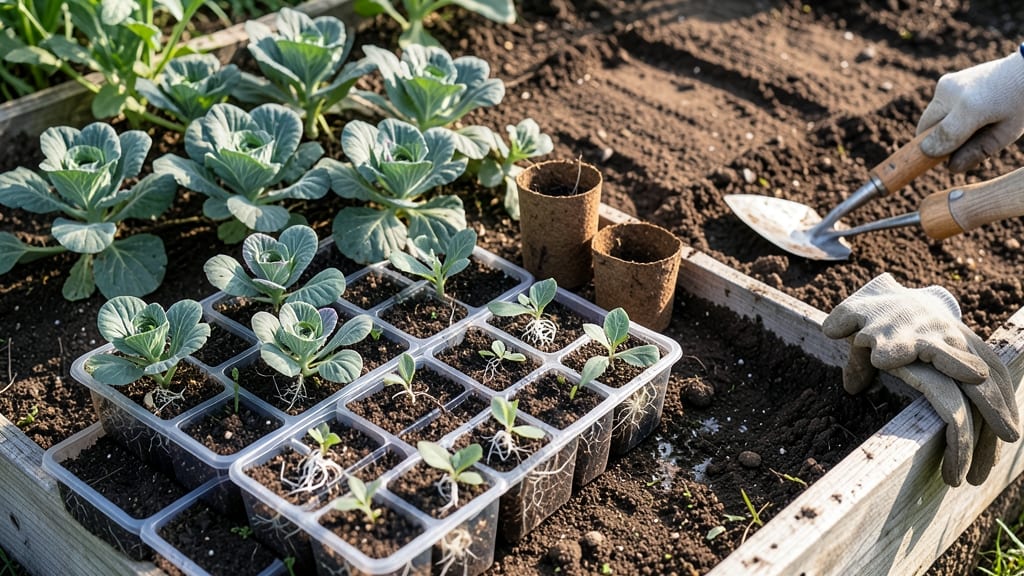
Planting cabbage in Missouri isn’t just about sticking seeds in the ground—it’s about timing them perfectly to avoid bolting or heat stress. With the right schedule, you’ll enjoy crisp, sweet heads from spring through fall, even in zones 5b-6a.
The key lies in two narrow windows: early spring and late summer, when temperatures cooperate with your 🥬’s cool-weather needs.
Missouri’s climate demands precision: plant too early, and frost will stunt growth; too late, and summer heat sends cabbage into bolting mode. I’ve tested the ideal dates—March 15 to April 30 for spring and August 1 to September 15 for fall—to ensure your plants thrive.
These windows align with soil warmth and frost-free periods, giving you the best shot at a bountiful harvest.
But here’s the secret most gardeners miss: soil prep and transplanting techniques make all the difference. Whether you’re growing cold-hardy varieties like ‘Golden Acre’ or heat-tolerant picks, proper spacing and hardening off seedlings will keep your cabbage on track.
Let’s break down the exact steps to maximize your yield without the guesswork.
Ready to skip the trial-and-error? I’ll walk you through Missouri-specific adjustments, from shade cloth tricks to succession planting, so you can enjoy fresh cabbage from June through November. No more wasted seeds or bitter harvests—just perfect timing and a garden you’ll brag about.
Missouri cabbage planting calendar: exact months to avoid bolting and heat stress
Missouri’s USDA zones 5b-6a create a unique challenge for cabbage growers—cool springs and hot summers demand precise timing. Planting too early risks frost damage, while late plantings often bolt from summer heat. The sweet spot? Two distinct windows: early spring and late summer, each with specific month targets.
For spring cabbage, I start seeds indoors by February 15 and transplant outdoors 4-6 weeks before the last frost (typically March 15-April 30).
In St. Louis, this means hardy varieties like ‘Early Jersey Wakefield’ can handle light frosts, while Kansas City’s later frost dates push transplanting to April 15-May 1. Southern Missouri’s Springfield falls in between.
Fall plantings require even more precision. Seedlings must establish roots 10-12 weeks before the first frost (usually August 1-September 15). This ensures heads mature before October 15’s average frost date. Heat-tolerant varieties like ‘Crimson Queen’ perform best in these late plantings, resisting bolting better than standard types.
🌱Missouri’s frost-free window spans 165 days, but cabbage’s 60-100 day maturity range means we can’t afford delays. The ideal planting months—March, April, August, and September—align perfectly with these biological constraints. Missing these windows often leads to either stunted growth or bitter, loose heads.
| Season | Planting Window | Key Varieties | Harvest Window | Missouri Notes |
|---|---|---|---|---|
| Spring | March 15 - April 30 | Golden Acre, Early Jersey Wakefield | June - July | Transplant after soil reaches 45°F; use row covers for early starts |
| Fall | August 1 - September 15 | Crimson Queen, Savoy | October - November | Prioritize heat-tolerant types; mulch to retain moisture |
| Extended Summer | May 15 - June 15 (with cooling) | Heat-tolerant hybrids | August - September | Use shade cloth (30-50%); water deeply twice daily |
Missouri’s microclimates create regional variations worth noting. In northern Missouri (like Columbia), plant 2 weeks earlier than St. Louis due to colder soils. Conversely, southern Missouri (like Poplar Bluff) can extend fall plantings to September 30 with proper row covers.
Always check your local frost dates—they’re the ultimate guide.
One critical factor I can’t overstate is soil temperature. Cabbage seeds won’t germinate below 40°F, and seedlings struggle in soils below 45°F. In Missouri, this means waiting until mid-March for most regions.
Use a soil thermometer to confirm—50°F+ is ideal for transplanting. Cold soil leads to poor root establishment and stunted growth.
For successive harvests, I recommend staggering plantings every 2-3 weeks within these windows. This ensures a continuous supply from June through November. For example, plant one batch on March 15, another on April 1, and a final one on April 15 for a rolling harvest.
The same strategy works for fall plantings: August 1, August 15, and September 1.
Missouri’s humidity and summer heat create unique challenges. Without proper timing, cabbage heads can become loose, bitter, and prone to pests. By sticking to these monthly guidelines and adjusting for your specific Missouri region, you’ll avoid the most common pitfalls and enjoy crisp, sweet heads all season long.
🌿Pro Tip: Keep a gardening journal to track your local frost dates and soil temperatures. Over time, you’ll refine these general guidelines to match your specific Missouri microclimate perfectly.
How to extend Missouri’s cabbage growing season: cooling tricks for late plantings
Missouri’s summer heat can turn cabbage bitter and bolting before harvest—but with the right tricks, you can push your growing season later than ever. Heat-tolerant varieties like ‘Golden Acre’ and ‘Crimson Queen’ handle humidity better, while shade solutions buy extra weeks for standard varieties.
Start by selecting late-maturing varieties (90+ days to harvest) for fall plantings. These give you more time to cool the soil and protect plants before frost. Succession planting every 2 weeks in August ensures a staggered harvest through October.
Shade cloths (30-50% coverage) are my go-to for extending summer plantings. Drape them over rows during peak afternoon sun (12 PM–4 PM) to keep soil temps below 85°F. Pair this with drip irrigation to maintain moisture without wetting leaves.
For extra protection, use floating row covers in late summer. These block 90% of sunlight while allowing airflow—perfect for Missouri’s muggy afternoons. Remove covers when temps drop below 80°F to prevent overheating.
🌱 Pro Tip: Plant cabbage near tall sunflowers or corn to create natural shade. This mimics the effect of shade cloths while adding biodiversity to your garden.
Missouri’s fall frost dates vary by region—St. Louis averages October 15, while northern areas freeze earlier. Time your last planting so heads mature 2-3 weeks before frost. For example, plant on September 1 for a mid-October harvest in St. Louis.
🌿 Warning: Avoid planting cabbage after September 15 in most of Missouri—days grow too short for proper head formation. Focus on succession plantings in August instead.