
Companion Plants
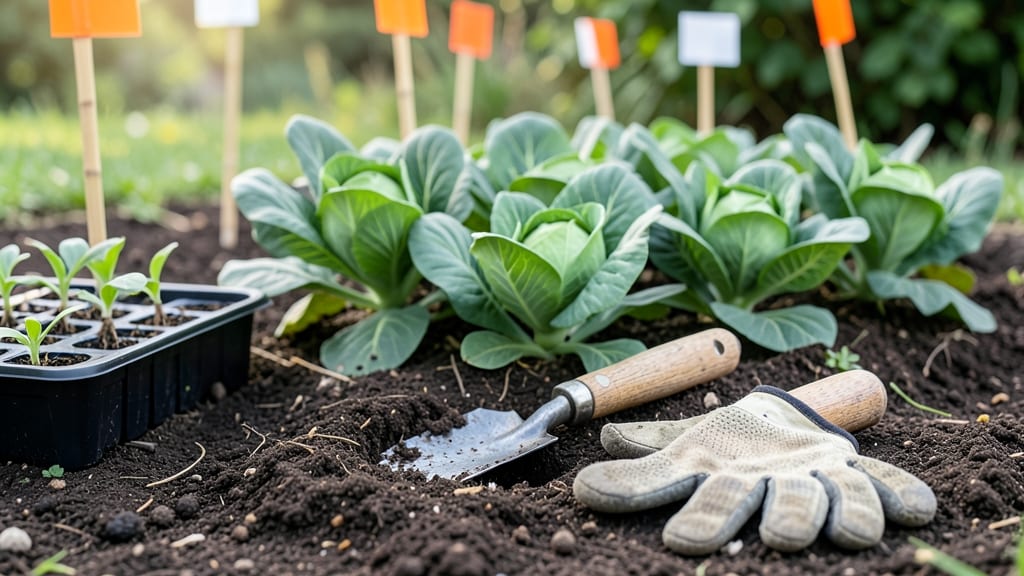
Planting cabbage 🥬 at the wrong time in Pennsylvania can mean the difference between a bumper crop and bolting heads—especially when your last frost date shifts from late April in Pittsburgh to mid-May in Philadelphia.
If you've ever watched your cabbage flowers shoot up instead of forming heads, you know timing is everything.
Most gardeners in PA's 5b-7a zones rush to plant between March 15 and April 30 for spring harvests, but that window shrinks dramatically in cooler mountain regions. The key? Adjusting for your specific microclimate while accounting for soil temperatures that need to reach 40°F before seeds germinate properly.
Fall planting offers another chance to grow cabbage, but you've got just 60 days before the first frost hits—typically by mid-October. That means starting seeds by August 1 in southern PA or pushing back to September 1 in the northern tier where frost comes earlier.
Whether you're sowing seeds or transplanting starts, I'll show you exactly how to time your cabbage planting for maximum yield—plus how to handle PA's unpredictable weather patterns that can throw off even the best-laid plans.
Pennsylvania cabbage planting deadlines by USDA hardiness zones
Pennsylvania spans USDA hardiness zones 4a to 7a, creating dramatic differences in cabbage planting windows. Northern regions like Erie and Scranton (zones 5a-6a) have shorter growing seasons, while southern areas like Philadelphia and Lancaster (zones 6b-7a) enjoy longer frost-free periods.
Timing your planting correctly prevents premature bolting or winter kill.
For spring planting, aim to sow seeds or transplants 4-6 weeks before your last frost date. In northern PA (zones 4a-5a), this typically means mid-March to early April.
Southern PA gardeners can start as early as late February for a head start. Fall planting should occur 8-10 weeks before first frost, usually mid-August to early September.
Here’s how to adjust your planting schedule based on your USDA zone:
| USDA Zone | Spring Planting Window | Fall Planting Window | Last Frost Date | First Frost Date |
|---|---|---|---|---|
| 4a (NE PA mountains) | Mid-April to May 1 | August 15 - September 1 | May 15 | October 5 |
| 5a (Pittsburgh, State College) | Late March to April 15 | August 1 - August 20 | April 30 | October 10 |
| 5b (Harrisburg, Lebanon) | Early March to April 30 | August 1 - September 1 | April 15 | October 15 |
| 6a (Reading, Allentown) | Late February to April 15 | August 15 - September 10 | April 1 | October 20 |
| 6b (Philadelphia, Wilmington) | Early March to April 30 | August 15 - September 15 | March 20 | October 25 |
| 7a (Southern tip, near MD border) | Late February to May 1 | September 1 - October 1 | March 10 | November 1 |
If you’re in zone 5a or colder, opt for fast-maturing varieties (e.g., ‘Early Jersey Wakefield’) to avoid autumn frosts. Southern PA gardeners can experiment with extended-season varieties like ‘Golden Acre’ for late fall harvests. Always check your local frost dates—they can shift by 1-2 weeks yearly.
For direct sowing, plant seeds ¼ inch deep and keep soil consistently moist until germination (typically 5-10 days). Transplants should be 4-6 weeks old when moved outdoors. Harden them off by gradually exposing to outdoor conditions for 7-10 days before planting.
In northern PA, use black plastic mulch or straw bales to warm soil and extend the season. Southern PA gardeners should focus on shade cloth during summer heatwaves
How to adjust cabbage planting for PA’s unpredictable weather patterns
Pennsylvania’s weather can throw even the most experienced gardeners for a loop—one day it’s 75°F and sunny, the next, a 28°F frost hits overnight. Cabbage, with its 60-100 day maturity window, needs consistent conditions to form those tight, market-ready heads.
The key? Staggered planting and protective strategies to shield your crops from PA’s whims.
Start by planting 3 successive batches of seeds or transplants, spaced 2 weeks apart in spring. This ensures a continuous harvest while hedging against late frosts.
For example, if your last frost date is April 20, plant your first batch on March 15, the second on March 30, and the third on April 15.
This way, even if the first batch bolts from heat or the last one gets nipped by frost, you’ll still have a 6-8 week harvest window.
For fall planting, work backward from your first frost date. If frost typically arrives October 15, aim to harvest by October 1, meaning you need plants ready 60-75 days before that.
Start seeds indoors by August 15 for southern PA or September 1 for cooler northern regions like the Poconos.
🌱 Pro Tip: Use a soil thermometer to check temperatures—cabbage seeds need soil at 40°F+ to germinate. If your soil is colder, warm it with black plastic mulch laid 2 weeks before planting. This is especially critical in USDA Zone 5b areas like Erie or Scranton.
- Row Covers: Use lightweight frost cloth to extend spring/fall seasons by 2-4 weeks. Secure edges with bricks or soil to prevent wind damage.
- Cold Frames: Perfect for northern PA gardens. Adds 10-15°F of warmth and protects from light frosts down to 20°F.
- Companion Planting: Surround cabbage with dill, onions, or celery to deter cabbage moths and improve air circulation.
- Shade Cloth: Deploy 30-50% shade cloth during heatwaves (above 85°F) to prevent bolting in southern PA.
- Mulching: Apply straw or grass clippings to retain moisture and insulate roots from temperature swings.
Don’t overlook heatwaves either—cabbage hates consistent temperatures above 80°F, which triggers bolting. In southern PA (Zones 6b-7a), opt for shade-tolerant varieties like ‘Golden Acre’ and water deeply twice daily during dry spells. A 5-gallon bucket of water per plant keeps roots cool and heads tight.
Finally, keep an eye on your local forecast and adjust. If a cold snap is predicted after transplanting, cover young plants with cardboard boxes or old blankets for 24-48 hours. Cabbage is resilient, but it won’t forgive neglect when PA’s weather turns volatile.