
Plants
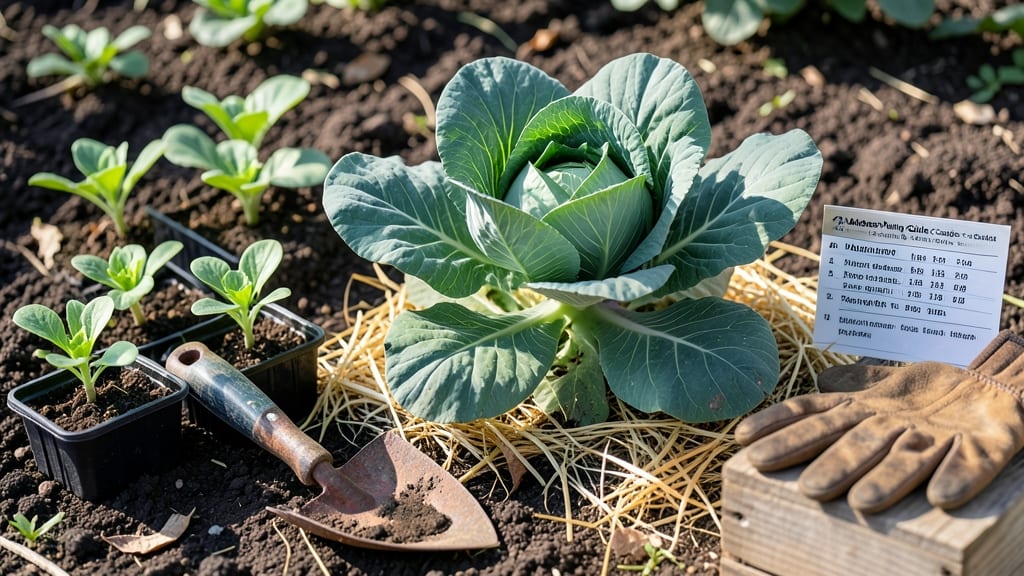
Planting cabbage in Arkansas at the wrong time means either frost-wilted seedlings or bitter, bolting heads by summer. The sweet spot for crisp, flavorful harvests is all about timing—and Arkansas’s 7a-8a zones demand precision.
Too early, and a late frost will turn your 🥬 into sad, yellowed mush. Too late, and the heat triggers bolting, sending your plants to seed before they form proper heads.
I’ve learned the hard way that Arkansas’s unpredictable spring and summer weather means you can’t just follow a generic calendar—you need zone-specific strategies.
In this guide, I’ll break down the exact transplant windows for Arkansas’s two main heat zones, including how to adjust for unpredictable weather patterns that can throw off even the best-laid plans.
Whether you’re aiming for a late-spring harvest or a fall crop, these tips will help you avoid common pitfalls and keep your cabbage thriving.
Ready to grow heads of cabbage that stay sweet and firm? Let’s dive into the best months to plant, plus local tricks to beat Arkansas’s heat and humidity—so you can enjoy homegrown 🥬 all season long.
Arkansas cabbage planting calendar by heat Zone (7a-8b)
Arkansas spans USDA Heat Zones 7a-8b, meaning your last frost date can vary by 2-3 weeks between northern and southern regions. In Zone 7a (north), cabbage should go in the ground 4-6 weeks before your average last frost—typically late February to early March.
Meanwhile, Zone 8b gardeners in the south can start 2-3 weeks earlier, around mid-February.
For fall harvests, the rule flips: plant 10-12 weeks before your first frost (usually mid-August to early September in Zone 7a and late August in Zone 8b). This timing ensures heads mature before cold snaps hit in November.
Soil temperature is just as critical as air temperature. Cabbage thrives when soil stays between 45°F and 85°F. In Arkansas’s humid climate, soil can heat up quickly—wait until it’s consistently above 50°F before transplanting to avoid stunted growth.
Here’s how Arkansas’s two heat zones differ in transplant windows:
| Heat Zone | Last Frost Date | Spring Planting Window | Fall Planting Window | Key Risk |
|---|---|---|---|---|
| Zone 7a (North) | March 15 | Late Feb–Early March | Mid-August–Early Sept | Late frosts |
| Zone 8b (South) | March 25 | Mid-February | Late August | Heat stress |
Pro tip: Use succession planting every 2-3 weeks between March and May (spring) or August and September (fall) to stagger harvests. This prevents gluts and ensures a steady supply of fresh heads.
Bolting—when cabbage flowers prematurely—is a real threat in Arkansas’s summer heat. To avoid it, never plant cabbage after May 15 in Zone 7a or June 1 in Zone 8b. If you miss these windows, opt for bolting-resistant varieties like ‘Golden Acre’ or ‘Brauner.’
For container gardening, start transplants 2 weeks earlier than ground planting dates. Containers heat up faster, so monitor soil temps closely and water more frequently to keep roots cool.
Arkansas’s humid summers also demand well-draining soil. Amend beds with compost or aged manure before planting to improve drainage and reduce disease risk. Aim for a pH of 6.5–7.0 for optimal growth.
Remember: Cabbage needs 60–70 days to mature from transplant to harvest. Plan your schedule so heads reach market size (6–8 inches wide) before extreme heat or cold sets in.
🌱
How to adjust planting for Arkansas’s unpredictable weather patterns
Arkansas’s weather is famously unpredictable—one day it’s 60°F and sunny, the next it’s 90°F with humidity or a surprise frost. These swings make cabbage planting tricky, but with the right adjustments, you can protect your crop from bolting or frost damage.
I’ve learned to watch the forecast closely and use tools like row covers and shade cloth to give my cabbage the best shot at success.
For example, if your last frost date slips later than expected (like it often does in northern Arkansas), don’t panic. Simply delay your spring transplant by 1-2 weeks and use frost blankets for the first few nights.
This buys you time without risking bolting. Conversely, if a heatwave hits early (common in southern Arkansas), move transplants to partial shade and water deeply in the morning to keep soil cool.
Here’s the golden rule: Always have backup dates. If your first planting window fails due to weather, Arkansas’s long growing season lets you try again. For instance, if your March transplants get fried by April heat, switch to late August for a fall crop.
Just remember—fall cabbage needs 10-12 weeks to mature before the first frost, so don’t wait too long!
Another trick I swear by is succession planting. Instead of betting everything on one transplant date, stagger your plantings every 2-3 weeks in spring and fall. This spreads out your harvest and reduces the risk of losing your entire crop to one bad weather event.
For example, plant a batch in early March, another in mid-March, and a final one in late March—this way, you’ll have cabbage ready to harvest from May through October.
When it comes to heat stress, cabbage hates temperatures above 80°F. If your forecast calls for a prolonged heatwave, use shade cloth (30-50%) to filter sunlight and keep leaves from scorching.
Water the soil—not the leaves—to prevent fungal diseases like downy mildew, which thrives in Arkansas’s humidity. A 5-gallon bucket of water per plant during heatwaves keeps roots happy and heads tight.
Don’t forget about microclimates. Even within Arkansas, your yard might have hotter or cooler spots. For example, south-facing beds warm up faster and are better for early spring transplants, while north-facing areas stay cooler and are ideal for summer plantings.
Test your soil temperature with a soil thermometer—cabbage thrives when soil is between 50-75°F. If it’s too cold, wait; if it’s too hot, delay or use shade.
Finally, keep an eye on your local cooperative extension service. The University of Arkansas Extension provides real-time frost and heat alerts that can save your crop. Bookmark their Arkansas Planting Calendar and check it weekly during planting season.
With these adjustments, you’ll turn Arkansas’s unpredictable weather into an advantage—giving you bolting-free, frost-proof cabbage all season long. 🌱
⚠️ Watch Out for These Common Mistakes
- Planting too early without frost protection → Frost damage in 7a zones.
- Ignoring heat warnings → Bolting in 8a zones by June.
- Overwatering in heat → Fungal diseases like downy mildew.
- Skipping shade cloth → Scorched leaves during sudden heat spikes.
Pro tip: Use row covers for frost and shade cloth for heat—both are lifesavers in Arkansas’s extreme swings. 🌡️