
Plants
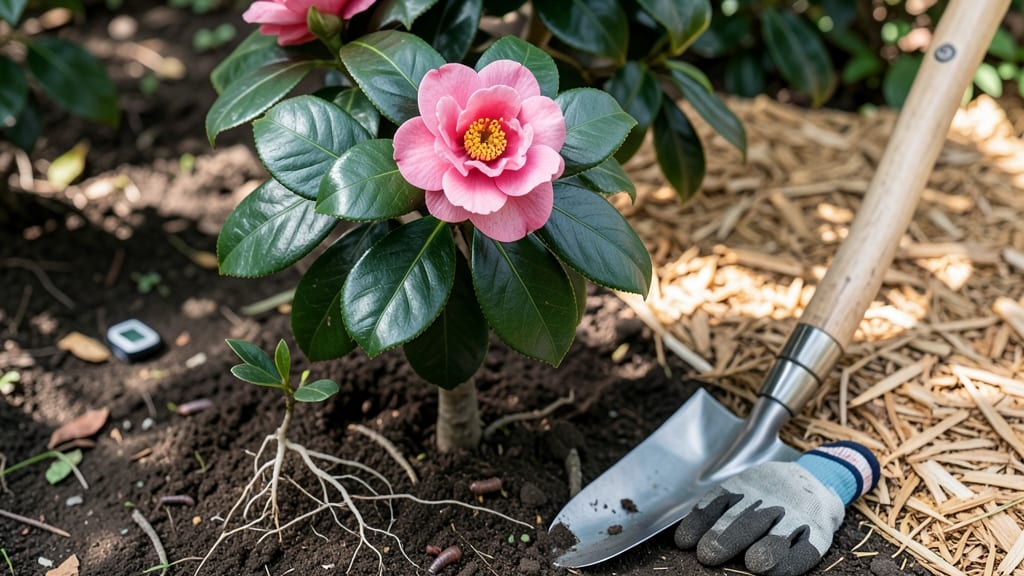
Planting camellias in Zone 9 at the wrong time means struggling with summer heat or weak root growth—so timing is everything for those stunning 🌸 blooms. Unlike cooler zones, Zone 9 gardeners have a 6-week window where soil stays cool enough for roots to establish before summer’s intensity kicks in.
Most experts recommend planting between October and February, when temperatures stay mild and rainfall is more consistent. This period gives your camellia the best chance to settle in without battling the extreme heat of Southern California summers or the dry spells in Phoenix.
But here’s the catch: planting too late in winter can leave your camellia vulnerable to sudden heat spikes, while going too early might expose it to residual summer stress.
I’ll break down the exact months that work best for your region, plus pro tips to ensure your new plant thrives from day one.
Whether you’re transplanting a mature shrub or sowing seeds, these insights will help you avoid common mistakes and set your camellia up for years of vibrant blooms—without the guesswork.
Optimal planting months for camellias in Zone 9 (with frost risk timeline)
In Zone 9, where winters are mild and summers scorching, timing your camellia planting is critical. Unlike colder zones, you won’t face frost damage, but heat stress and root establishment are your biggest challenges.
The ideal window spans late fall to early spring, when soil temps hover between 50°F and 70°F—perfect for root growth without summer’s intensity.
Most Zone 9 gardeners swear by November through February as the sweet spot. This aligns with the plant’s natural dormancy period, reducing transplant shock. However, March planting can work in cooler microclimates (like coastal areas), while April risks summer heat before roots settle.
Here’s the critical timeline for Zone 9: Avoid planting after mid-March in inland areas (e.g., Phoenix) where temps exceed 85°F by April. Coastal zones (e.g., Southern California) can push planting to early April, but monitor soil moisture closely.
🌸
| Planting Window | Soil Temp | Frost Risk | Zone 9 Notes |
|---|---|---|---|
| Late October - November | 50°F - 65°F | None | Best for root growth; minimal heat stress. |
| December - January | 55°F - 68°F | None | Slower growth; ideal for potted camellias. |
| February | 60°F - 70°F | None | Last chance before summer heat arrives. |
| March (Coastal Only) | 65°F - 75°F | None | Risky inland; prioritize shade and mulch. |
For bare-root camellias, plant as soon as you receive them—these arrive dormant and need 4-6 weeks to establish roots before summer’s heat peaks. Container-grown plants, however, can handle March planting if given afternoon shade and deep watering twice weekly.
Pro tip: Check your local microclimate. Urban areas like Los Angeles may have 5°F hotter soil temps than nearby coastal regions. Use a soil thermometer to confirm temps are below 75°F before planting.
If you miss the fall/winter window, early spring (March) is your last shot—but pair it with drip irrigation and mulch to compensate for heat. Skipping this window means waiting until next fall, delaying those stunning winter blooms you love.
🌿
Remember, Zone 9’s lack of frost is a double-edged sword. While you avoid frost damage, you must outsmart summer heat by planting early. The goal? Give roots 3-4 months to establish before temps consistently hit 90°F+. This ensures your camellias bloom reliably and thrive for decades.
💧
Optimal planting months for camellias in Zone 9 (with frost risk timeline)
In Zone 9, where winters are mild and summers scorching, timing your camellia planting is critical. The ideal window spans from late October to early February, aligning with cooler temperatures and reduced evaporation. This period lets roots establish before summer heat arrives, ensuring your camellias thrive without stress.
Unlike cooler climates, Zone 9’s minimal frost risk means no need to rush planting before winter. However, avoid planting in June-August—the intense heat stresses young roots. Instead, prioritize fall or winter for the best results.
| Season | Planting Window | Soil Temp (°F) | Key Consideration |
|---|---|---|---|
| Fall | Late October - November | 60-70°F | Cooler temps reduce transplant shock; roots establish before summer. |
| Winter | December - Early February | 50-65°F | Avoid frost pockets; ideal for Camellia sasanqua varieties. |
| Spring | March (early) | 65-75°F | Risk of summer heat stress; best for potted camellias. |
For Zone 9’s coastal areas (e.g., Southern California), extend planting into early March—the ocean breeze moderates heat. Inland areas (e.g., Phoenix), stick to October-November to avoid desert summer extremes. Always check your local frost-free dates—even Zone 9 can see rare cold snaps.
Pro tip: Test soil temperature before planting. Aim for 60°F+—below this, root growth stalls. Use a soil thermometer or dig a hole to check depth. If soil feels cool, wait 1-2 weeks.
After planting, mulch heavily (3-4 inches) with organic matter to retain moisture and regulate soil temps. This is especially critical in Zone 9’s dry spells, where evaporation rates are high. Pair this with drip irrigation for consistent moisture.
Remember: Camellias planted in fall often bloom earlier, while winter plantings may take a year to establish but yield stronger growth. Choose your timing based on your variety’s bloom cycle—Camellia japonica prefers fall, while Camellia sasanqua adapts to winter.