
Plants
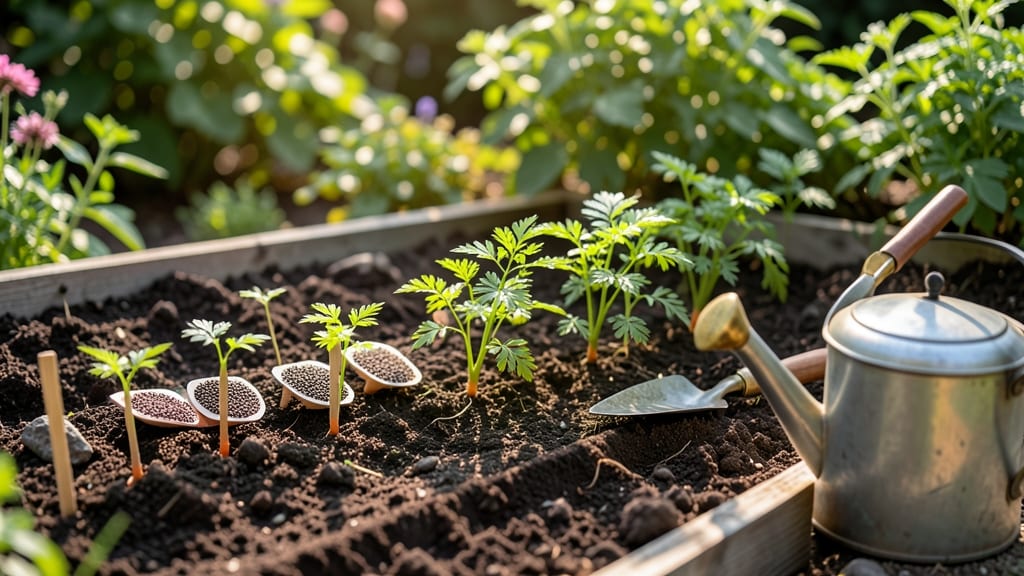
To grow sweet, crisp 🥕 carrots in San Diego’s unique climate, timing is everything—plant too early in the heat, and they bolt; too late, and pests take over. The key lies in leveraging the city’s mild winters and coastal breezes to extend your harvest window longer than most gardeners realize.
Unlike colder regions, San Diego’s USDA Zone 10a means you can enjoy fresh carrots year-round with the right strategy. While most gardeners focus on spring, the ideal planting window actually spans from September through March, when cooler temperatures slow bolting and encourage steady root growth.
But here’s the secret: succession planting every 3-4 weeks ensures a continuous supply from November through May. I’ll show you exactly how to time your plantings, prep your soil, and avoid common pitfalls like cracked roots or pest damage—so you can enjoy homegrown carrots without the guesswork.
Whether you’re a first-time gardener or a seasoned green thumb, these microclimate-specific tips will help you maximize your harvest in San Diego’s perfect growing conditions.
Optimal carrot planting months in San Diego’s coastal vs inland zones
San Diego’s microclimates create distinct growing conditions—coastal areas stay mild year-round, while inland zones can hit 90°F+ in summer. Carrots thrive in 55–75°F soil, making fall and winter the best seasons for planting.
Coastal gardens can even grow carrots year-round, while inland areas must time plantings carefully to avoid summer stress.
Your location determines success: coastal San Diego (like La Jolla) has 72°F average temps, while inland spots (like Escondido) hit 85°F+. This difference affects planting windows by 2–3 months. Let’s break down the best times for each zone to maximize your harvest.
| Factor | Coastal San Diego (Zone 10a) | Inland San Diego (Zone 10b) |
|---|---|---|
| Best Planting Window | September–March (year-round possible) | October–February (avoid summer heat) |
| Soil Temp Threshold | 55–70°F (ideal for germination) | 60–75°F (cooler soil needed) |
| Summer Planting Risk | Low (cooler coastal air) | High (bolting from heat) |
| Shade Cloth Needed? | No (unless extreme sun) | Yes (30–50% for summer) |
| Harvest Window | November–May (year-round possible) | December–April (summer bolting risk) |
For coastal San Diego, you can plant carrots year-round with minimal stress. Start seeds in late summer (August) for fall harvests, then continue through winter and early spring. The cool, foggy mornings create perfect conditions for even root growth.
I’ve had success with Danvers and Nantes varieties planted as late as March—just be sure to mulch heavily to retain moisture.
Inland areas require more caution. The hot, dry summers (June–September) make carrot growth nearly impossible without shade cloth or drip irrigation. Focus on fall and winter plantings (October–February) when soil stays below 75°F.
Varieties like ‘Paris Market’ (short, round carrots) handle heat better than long varieties, which fork easily in sandy San Diego soil.
Soil prep is critical in both zones. San Diego’s sandy loam drains too quickly, leading to forked roots. Amend beds with 2–3 inches of compost and fine sand to improve texture.
Test your soil’s pH—carrots prefer 6.0–6.8. If your soil is alkaline (common in coastal areas), add sulfur or peat moss to lower the pH before planting.
Watering strategies differ by season. In coastal areas, water deeply every 3–4 days in summer and every 5–7 days in winter. Inland gardens need drip irrigation to keep soil consistently moist—dry spells cause bitter, woody roots.
Always water in the early morning to reduce evaporation and fungal risks.
Pest pressure varies by season. Carrot rust flies are worst in spring and fall, while aphids thrive in summer. Use floating row covers for young seedlings and neem oil as a preventative spray.
In coastal areas, slugs are a bigger threat—set out beer traps or use copper barriers around beds.
To extend your harvest, plant succession crops every 3–4 weeks from September to March. This ensures a steady supply of fresh carrots without overwhelming your garden at once.
For example, plant one batch in late September, another in October, and a final one in November—you’ll harvest through spring.
Remember, San Diego’s long growing season lets you experiment with unusual varieties. Try ‘Rainbow’ carrots for color or ‘Little Finger’ for quick harvests. With the right timing and soil prep, you can enjoy homegrown carrots from fall through spring—no grocery store needed! 🥕
How to extend carrot harvests using succession planting in San Diego
Succession planting is your secret weapon for year-round carrot harvests in San Diego’s unpredictable climate. Since carrots thrive in cooler weather, we’ll focus on fall-through-spring cycles with strategic spacing. Start your first batch in late August for a fall harvest, then repeat every 3-4 weeks until March.
For summer protection, use 30-50% shade cloth to prevent bolting from heat stress. Choose varieties like 'Danvers Half Long' or 'Nantes', which handle partial shade better than long varieties. Mulch heavily with straw or wood chips to keep roots cool and moist during inland heat spikes.
Soil temp: 70-75°F | Harvest: October-November | Use: 'Paris Market' (short variety)
Soil temp: 65-70°F | Harvest: December-January | Use: 'Purple Haze' (colorful roots)
Soil temp: 60-65°F | Harvest: February-March | Use: 'Chantenay' (bold flavor)
Soil temp: 55-60°F | Harvest: April-May | Use: 'Rainbow' (mixed colors)
To prevent carrot rust fly infestations, rotate planting locations yearly and cover seedlings with fine mesh row covers for the first 6 weeks. Coastal gardeners can skip covers if planting near drought-tolerant companions like rosemary or thyme, which repel pests naturally.
For container growing, use deep pots (12+ inches) and plant 3-4 seeds per container. Succession plant every 2 weeks in containers, since they warm up faster than ground soil. Harvest baby carrots at 45 days to extend your season even further.
Pro tip: Mark your planting schedule on a garden calendar and include moon phases—root crops like carrots thrive with a waxing moon in earth signs (Taurus, Virgo, Capricorn). This ancient trick aligns with San Diego’s natural water cycles for even sweeter roots.