
Plants
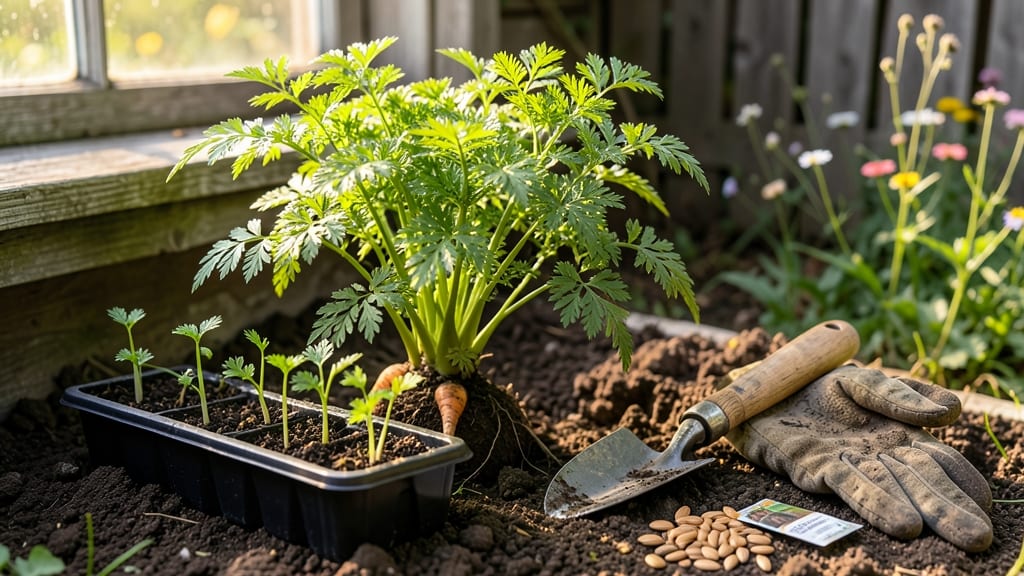
Timing your carrot planting in South Louisiana isn't just about the calendar—it's about outsmarting the heat and humidity to grow those sweet, crisp 🥕 roots you crave. Plant too early, and you risk bolting before harvest; too late, and the sweltering summer air will leave your carrots stunted or bitter.
I’ve learned the hard way that the September-October window is your golden ticket for fall carrots, while February-March gives you a spring harvest before the real heat sets in.
But here’s the catch: Louisiana’s 8a-9b climate demands extra prep—loose, well-drained soil and shade cloth to keep roots from forking or flowering prematurely.
What if I told you that with the right varieties and a few simple tricks, you could grow carrots year-round in this challenging zone? We’ll cover heat-tolerant picks, soil secrets, and how to stretch your growing season with row covers—no guesswork, just proven results.
Ready to turn your garden into a carrot powerhouse? Let’s dive into the exact steps that’ll have you harvesting smooth, flavorful 🥕 roots even when the humidity is through the roof.
Best planting times for carrots in South Louisiana’s climate zones
South Louisiana’s USDA Zones 8a-9b offer unique opportunities for growing carrots, but timing is everything. The key windows are fall (September-October) and early spring (February-March), when temperatures stay mild enough to prevent bolting (premature flowering).
Summer planting is risky due to heat stress, while winter crops may struggle with soil saturation from heavy rains.
Fall planting gives you the best shot at a successful harvest before winter sets in. Aim to sow seeds 8-10 weeks before the first frost (typically around December 1 in most areas). This gives carrots time to mature before cooler weather slows growth.
For spring, plant as soon as soil temperatures drop below 85°F—usually in late February or early March—to avoid the brutal summer heat.
Here’s how to maximize your carrot yield in South Louisiana’s unpredictable climate:
| Season | Planting Window | Ideal Soil Temp (°F) | Key Considerations |
|---|---|---|---|
| Fall | September–October | 60–75°F | Harvest before frost; use row covers for cooler nights. |
| Winter | November (limited) | 50–65°F | Risky due to rain; plant in raised beds for drainage. |
| Spring | February–March | 55–70°F | Avoid planting after mid-March to prevent bolting. |
| Summer | Not recommended | N/A | Extreme heat causes bolting; use shade cloth if attempting. |
To extend your growing season, use row covers in fall and shade cloth (30-50%) in late spring to protect seedlings from heat stress. In South Louisiana, even a 10°F temperature spike can trigger bolting, so monitor weather forecasts closely.
For example, if a 90°F heatwave is forecasted in March, delay planting until temperatures drop.
Soil preparation is critical in Louisiana’s clay-heavy soils. Before planting, amend beds with 2-3 inches of compost and sand to improve drainage. Carrots need loose soil to grow straight—compacted or rocky soil leads to forked or stunted roots.
Test your soil’s pH (ideal range: 6.0–6.8); Louisiana’s acidic soils often need lime to raise pH.
For succession planting, sow new seeds every 2-3 weeks during fall and spring windows. This ensures a steady harvest and reduces the risk of pest infestations or disease outbreaks.
For example, plant one batch in late September, another in mid-October, and a final one in early March for a staggered yield.
Watch for carrot rust fly and wireworms, common pests in Louisiana. Use floating row covers early in the season to deter flies, and rotate planting locations yearly to break pest cycles. If you notice yellowing leaves or chewed roots, act quickly—these pests thrive in humid conditions.
Finally, never skip mulching. Apply a 2-inch layer of straw or pine needles to retain moisture, suppress weeds, and keep soil temperatures stable. In South Louisiana’s humid climate, mulch also reduces fungal diseases like Alternaria leaf spot, which can devastate carrot crops.
Best planting times for carrots in South Louisiana’s climate zones
South Louisiana’s 8a-9b climate means your carrot planting window is tight but doable with the right timing. The ideal months are September-October for fall harvests and February-March for spring, avoiding the brutal summer heat that triggers bolting.
I’ve found that planting in August is risky—unless you use shade cloth—but November can work if you protect seedlings from early cold snaps.
Your goal is to grow carrots when daytime temps stay between 60°F-75°F. Anything hotter, and your plants will bolt (flower prematurely). In Louisiana, this means avoiding April-May plantings unless you’re using heat-tolerant varieties with shade protection.
The key is to align your planting with Louisiana’s 240 frost-free days, stretching growth from September to December or February to May.
Here’s the breakdown of your best planting windows with soil prep tips tailored to Louisiana’s humidity:
| Season | Planting Window | Soil Temp | Key Prep | Harvest Time |
|---|---|---|---|---|
| Fall | September 15 - October 15 | 65°F-75°F | Loosen soil to 12", add compost, mulch with straw | November - December |
| Winter | February 1 - March 15 | 60°F-70°F | Use row covers for cold snaps, amend soil with sand | April - May |
| Spring (Risky) | March 20 - April 10 (with shade) | 70°F+ (use shade cloth) | Plant in partial shade, frequent watering | May (limited harvest) |
For year-round production, try succession planting every 2-3 weeks in your fall window. This keeps a steady supply while avoiding the heat. I’ve had success with 30% shade cloth in late spring to buy extra time before bolting sets in.
One trick I swear by? Planting near radishes or lettuce as companions—they mark rows and improve soil structure without competing for nutrients. Just avoid planting near dill or fennel, which can stunt carrot growth.
Remember: Louisiana’s clay-heavy soil needs amending with sand or compost to prevent forked roots. Work in 1 inch of compost and 1/4 inch of sand per square foot before planting. This loose mix is non-negotiable for crisp, straight carrots.