
Plants
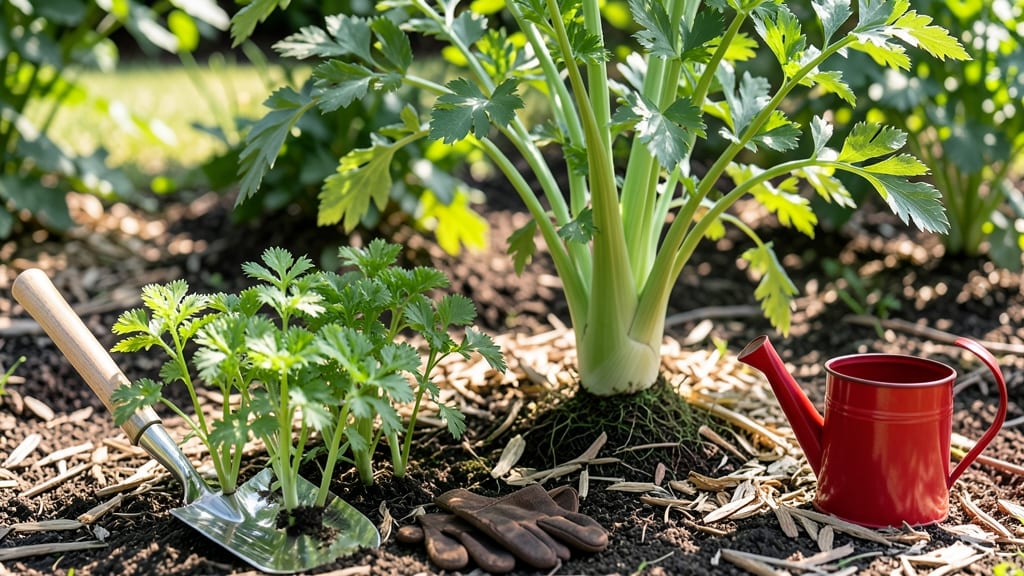
Planting celery in Louisiana might seem tricky—between the humidity and heat, it’s easy to end up with limp, flavorless stalks instead of crisp, homegrown 🥬.
But timing is everything, and getting it right means you can enjoy fresh, vibrant celery straight from your garden, even in the Bayou State’s challenging climate.
The key to success lies in strategic planting windows that avoid the worst of the summer heat while taking advantage of Louisiana’s mild winters.
Whether you’re a seasoned gardener or just starting out, knowing when to plant celery in your 8a-9b zone can make the difference between a thriving crop and a soggy disappointment.
In this guide, I’ll walk you through the best times to sow seeds or transplant seedlings, including how to adjust for your specific region—whether you’re in New Orleans, Baton Rouge, or Shreveport.
You’ll also discover which heat-tolerant varieties handle Louisiana’s humidity like a pro, so you can enjoy a bountiful harvest all season long.
Ready to grow celery that’s crisp, flavorful, and ready to harvest? Let’s dive into the exact steps and timing you need to make it happen in your Louisiana garden.
Best planting times for celery in Louisiana’s humid climate
Louisiana’s hot, humid summers and mild winters create unique challenges for growing crisp celery. Unlike northern climates, we can’t rely on a single spring planting window—timing is everything to avoid soggy stalks or bolted plants.
The key is planting when soil temperatures stay below 80°F and humidity spikes aren’t overwhelming. Let’s break down the optimal windows for Louisiana’s diverse microclimates, from New Orleans’ coastal warmth to Shreveport’s inland heat.
For spring harvests, your best bet is planting celery seeds indoors 10-12 weeks before your average last frost date (around March 15 for most of the state). In USDA Zones 8a-9b, this means starting seeds in January for transplants ready by late February to early March.
Direct-sowing outdoors works too, but only after soil warms to 50°F+—typically mid-March in Shreveport and late March in New Orleans. Spring-planted celery will be ready for harvest by May or June, just in time for summer salads.
Here’s where Louisiana gardeners often go wrong: planting too late in spring. If you wait until April or May, your celery will face 90°F+ soil temperatures by summer, causing bolt (premature flowering) or bitter, stringy stalks.
The solution? Fall planting is your secret weapon for crisp celery in Louisiana. Aim for transplants in August (after the worst summer heat passes) or direct-sow seeds in late July. With proper shade cloth and consistent moisture, you’ll harvest November through December, avoiding the summer heat entirely.
Don’t overlook microclimate adjustments. Coastal areas like Grand Isle or Lafayette have warmer winters, so you can push spring planting to early April without risking frost. Meanwhile, northern Louisiana (e.g., Monroe) can plant 2 weeks earlier due to cooler nights.
Always check your local frost dates—even a light 32°F dip can damage young seedlings.
Pro tip: Use a soil thermometer to confirm 50-70°F soil temps before planting. In Louisiana’s heat, 60-70°F is ideal for germination. If your soil runs hotter (common in black clay soils), opt for shade cloth or raised beds to regulate temperatures.
Now, let’s clarify the confusing middle ground: summer planting. While celery hates direct summer heat, you can grow it in deep shade (like under a 30% shade cloth) during June or July for a fall harvest.
This works best in high-elevation areas (e.g., Caddo Parish) where humidity is slightly lower. Just be prepared for slower growth and higher pest pressure.
🌱 Louisiana Celery Planting Timeline
| Season | Planting Window | Soil Temp | Harvest Window | Notes |
|---|---|---|---|---|
| Spring | Jan (indoors) or Feb-Mar (outdoors) | 50-70°F | May-June | Best for crisp stalks |
| Summer | June-July (with shade) | Below 80°F | Oct-Nov | High humidity risk |
| Fall | Aug-Sept | 60-75°F | Nov-Dec | Avoids summer heat |
One critical mistake Louisiana gardeners make is ignoring humidity. Celery thrives in 50-70% humidity, but our summer levels often exceed 80%. This leads to fungal diseases like early blight or powdery mildew.
To combat this, space plants 12-18 inches apart for airflow and water at soil level (never overhead). A light mulch of straw also helps regulate moisture without smothering roots.
For container growing (great for balconies in New Orleans or Baton Rouge), use 5-gallon pots with well-draining mix
Best planting times for celery in Louisiana’s humid climate
Louisiana’s long, hot summers and high humidity make celery a tricky crop—but the key to success lies in timing your plantings to avoid the worst heat and humidity. Celery thrives in cool weather, so focus on late winter and early fall when temperatures are milder.
The ideal windows are February-March for spring harvests and August-September for fall harvests, aligning with Louisiana’s USDA Zones 8a-9b.
Spring plantings should start 10-12 weeks before your last frost date (typically around March 15 in most regions). For fall, aim to plant 8-10 weeks before the first frost (usually November 15).
These timelines ensure your celery matures before the oppressive summer heat or early winter chills set in, both of which can stunt growth or cause rot.
| Season | Planting Window | Soil Temp | Key Consideration |
|---|---|---|---|
| Spring | February–March | 50–60°F | Avoid late spring heatwaves |
| Summer | August (transplants only) | 65–75°F | Use shade cloth for seedlings |
| Fall | August–September | 60–70°F | Harvest before first frost |
If you’re in New Orleans or Baton Rouge, where humidity spikes in summer, opt for shorter-day varieties and provide afternoon shade to protect seedlings. In North Louisiana (Shreveport), cooler nights mean you can extend fall plantings slightly later, but still aim to harvest before November’s first frost.
Always monitor soil moisture—celery hates soggy roots, so raised beds or containers work well in Louisiana’s heavy clay soils.
For transplanting seedlings, wait until soil temperatures reach at least 50°F and nighttime temps stay above 45°F. Hardening off seedlings for 7–10 days before transplanting helps them adjust to Louisiana’s high humidity and variable weather.
Use drip irrigation to keep leaves dry, reducing fungal risks like early blight or powdery mildew, which thrive in the Bayou State’s damp air.
Pro tip: Mulch heavily with straw or pine needles to retain moisture and regulate soil temperature. This is especially critical in summer plantings, where afternoon temps can soar. Pair your celery with companion plants like bush beans or lettuce, which share similar water needs and provide light shade.
Remember, celery needs 120–150 days to mature, so plan your harvest timing carefully. Spring plantings should yield by May–June, while fall crops are ready by November–December. If you miss these windows, consider container growing to move plants to cooler microclimates during heatwaves.