
Plants
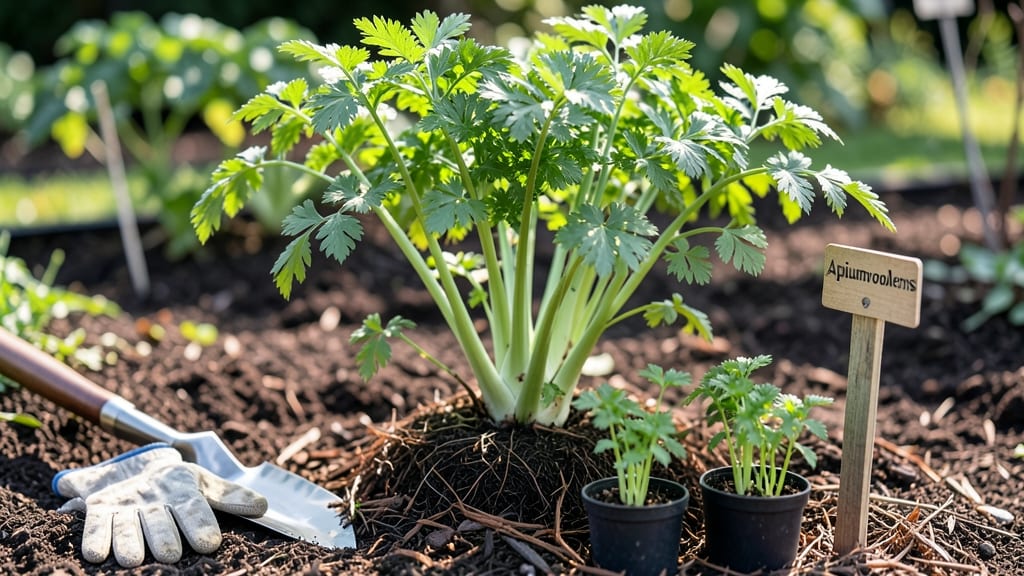
Planting celery in Ohio at the wrong time can mean the difference between a crisp, homegrown harvest and wasted effort—especially when frost sneaks in unexpectedly.
The key to success lies in timing your 🥬 celery just right, after the last frost but before summer heat sets in, so those stalks mature without bolting or freezing.
Ohio’s 6a zone gives you a narrow window—mid-April to early May is your best bet for transplants, while seeds need a head start indoors. But here’s the catch: late-spring frosts still lurk, and summer heat can turn your celery bitter.
I’ll show you how to work around Ohio’s quirks, whether you’re in Columbus or Cleveland.
You’ll learn exactly when to pop those seedlings into the ground, how to stretch the season with row covers, and which Ohio-friendly varieties hold up best. No more guessing—just a foolproof plan to grow celery that’s crisp, flavorful, and ready for your table from July to October.
Skip the trial-and-error: my frost-date cheat sheet cuts through the confusion so you can focus on what matters—reaping the rewards of your garden. Let’s get those 🥬 stalks thriving the right way.
Ohio frost dates for celery: exact planting windows by region
Ohio’s USDA zones 5-7 create a tricky balance for growing celery—too early, and frost kills seedlings; too late, and your harvest suffers from heat stress. The key is timing your transplants after the last frost date, which varies by region.
Northern Ohio (zones 5-6) has later frost dates than southern Ohio (zone 7), so adjust your planting schedule accordingly.
For northern Ohio, aim to transplant celery seedlings between mid-April and early May, once soil temperatures hit 50°F consistently. In southern Ohio, you can start slightly earlier—late March to mid-April—thanks to milder winters.
Always check your local frost-free dates from the Old Farmer’s Almanac or NOAA for precision.
Celery thrives in cool-season conditions, so a spring transplant is ideal. However, you can also try a fall crop for a late harvest by sowing seeds indoors in July and transplanting in early September. This works best in southern Ohio, where the growing season extends longer.
Microclimates play a huge role in Ohio. If you live near Lake Erie or in urban areas, expect cooler temperatures that delay planting by 1-2 weeks. Conversely, sheltered valleys or south-facing slopes warm up faster, letting you plant earlier.
Ohio Frost Dates & Planting Windows by Region
| Region | USDA Zone | Last Frost Date | First Frost Date | Ideal Transplant Window | Fall Planting Window |
|---|---|---|---|---|---|
| Northern Ohio | 5-6 | April 20-May 5 | October 10-20 | Mid-April to early May | Not recommended |
| Central Ohio | 6a | April 10-20 | October 5-15 | Late March to mid-April | Early September (indoor start) |
| Southern Ohio | 7a | March 25-April 10 | October 1-10 | Late March to early April | Late July (indoor start) |
*Adjust dates by 1-2 weeks for microclimates (e.g., urban heat islands, lake-effect cooling).
Celery needs 120-160 days to mature, so plan your harvest timing carefully. In northern Ohio, a spring transplant will yield harvests from July to September, while southern Ohio gardeners can enjoy a late-summer harvest with proper planning.
Use row covers or cold frames to extend your season if needed.
If you’re growing celery from seed instead of transplants, start them indoors 10-12 weeks before your last frost date. Harden off seedlings for 7-10 days before transplanting to avoid shock. Seedlings are frost-sensitive, so never plant them outdoors before the soil warms to 50°F.
Ohio’s variable weather means you’ll need flexibility. Keep an eye on 10-day forecasts and be ready to cover seedlings if a late frost is predicted. With the right timing, you can grow crisp, flavorful celery even in Ohio’s climate—just don’t rush the process!
For urban gardeners or those with limited space, consider container growing. Celery grows well in 5-gallon pots with well-draining soil and consistent moisture. Just ensure your containers get full sun and protect them from wind, which can stress delicate seedlings.
Step-by-Step guide: how to time celery planting for Ohio’s climate
Timing your celery planting in Ohio isn’t just about avoiding frost—it’s about giving your plants the 120-160 days they need to mature before winter sets in.
Ohio’s USDA zones 5-7 mean your exact window depends on whether you’re in northern or southern Ohio, but these steps will help you pinpoint the perfect moment.
First, calculate your last frost date using Ohio’s average of April 15 (with variations of 2-3 weeks). For celery, which thrives in cool weather, you’ll want to plant 4-6 weeks before your last frost—typically mid-March to early April for transplants.
If you’re starting seeds indoors, begin them 10-12 weeks before your last frost date.
- Check your local last frost date (use Ohio State University’s frost map for precision).
- Subtract 4-6 weeks for transplanting celery (e.g., April 15 - 6 weeks = March 4).
- For direct sowing, wait until soil temps reach 50°F (usually late April).
Next, prep your soil for celery, which demands rich, moist, and well-draining conditions.
Ohio’s clay-heavy soils can be tricky, so mix in 2-3 inches of compost and consider raised beds if drainage is poor. Celery also prefers a slightly acidic to neutral pH (6.0-7.0), so test your soil and amend with lime or sulfur if needed.
When transplanting, space seedlings 12-18 inches apart in rows 18 inches apart to allow airflow and prevent disease. Mulch with straw or shredded leaves to retain moisture—critical in Ohio’s hot summers.
Water deeply daily (1-2 inches per week) and avoid wetting the leaves to prevent fungal diseases like early blight.
Ohio’s late-spring frosts (common in May) can still catch young plants off guard. If frost threatens, cover seedlings with frost cloth or a lightweight blanket and remove it once temps rise above 32°F.
For a fall harvest, try succession planting in early July—just ensure plants mature before October’s first frost.
Finally, monitor your celery for thick, crisp stalks (ready in 120-160 days). In Ohio, this typically means July-October harvests, but urban gardeners with limited space can opt for container-growing using 5-gallon pots and a south-facing window for smaller varieties like ‘Utah’ or ‘Golden Self-Blanching’.
With these steps, you’ll avoid the bitter, spindly celery that results from poor timing—and enjoy a crisp, homegrown harvest all season long. Happy planting! 🌱