
Companion Plants
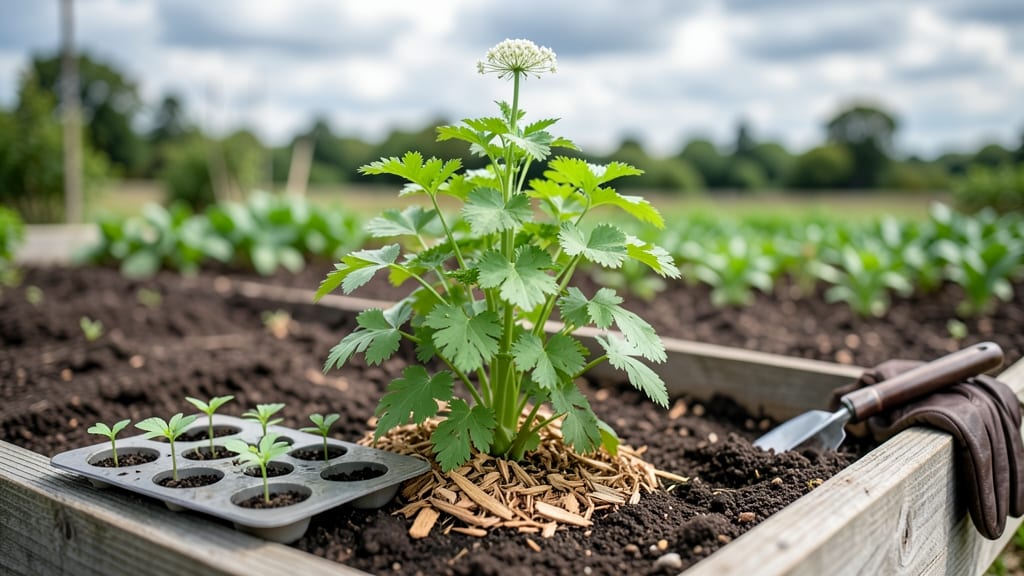
Planting cilantro in Arizona feels like playing a high-stakes game of timing—get it right, and you’ll enjoy fresh 🌿 cilantro all season; mess it up, and you’ll be fighting bolting by May. The key? Knowing exactly when to plant it to dodge the heat and maximize your harvest.
Unlike cooler climates, Arizona’s Zone 9b climate means you can skip the frost worries but still need to avoid summer’s brutal heat. The ideal windows are September through November and again in February and March, when temperatures are mild enough to keep your cilantro happy and productive.
But here’s the catch: even with perfect timing, cilantro hates heat. That’s why I’ll show you how to stretch your growing season with shade tricks and heat-resistant varieties—so you can enjoy homegrown cilantro without the bolting disaster.
Ready to master the art of Arizona cilantro growing? Let’s dive into the exact months, microclimate tips, and shade hacks that’ll keep your garden thriving—even when the desert sun is blazing.
Best planting times for cilantro in Arizona’s climate zones
Arizona’s USDA Zone 9b climate presents unique challenges for growing cilantro—but with the right timing, you can enjoy fresh harvests year-round. Unlike cooler climates, Arizona’s hot summers and mild winters demand strategic planting to avoid bolting.
The key windows are fall (September–November) and early spring (February–March), when temperatures stay below 75°F.
In Phoenix and Tucson, where summer temps often exceed 100°F, cilantro struggles to survive. However, high-elevation areas like Flagstaff (Zone 7) can extend the growing season into late spring due to cooler nights.
Always check your local last frost date—though Arizona rarely sees frost, microclimates near mountains can drop below freezing.
Pro Tip: Use shade cloth (30–50%) to protect cilantro from intense afternoon sun, even in ideal planting months. This mimics the partial shade cilantro craves, delaying bolting by 2–4 weeks.
| Climate Zone | Best Planting Window | Harvest Time | Key Challenge | Solution |
|---|---|---|---|---|
| Phoenix/Tucson (Zone 9b) | September–November, February–March | October–December, April–May | Extreme heat bolting | 50% shade cloth + evening watering |
| Flagstaff (Zone 7) | March–May, August–September | April–June, September–October | Cooler nights extend season | Direct sun tolerated; mulch for warmth |
| Sedona (Zone 7a) | February–April, August–October | March–May, September–November | Microclimate variability | Test soil temps; use row covers |
For year-round cilantro, practice succession planting every 2–3 weeks during fall and spring. Start seeds indoors 4–6 weeks before transplanting outdoors to give seedlings a head start. In low-desert areas, sow seeds in late August for a fall harvest before summer heat sets in.
If you’re in higher elevations, don’t overlook late summer planting (August). Cooler nights help cilantro establish before monsoon rains arrive. Just ensure your soil drains well—Arizona’s clay-heavy soils can cause root rot if waterlogged.
Watering Wisdom: Deep water every 3–5 days in fall/spring, but reduce to once weekly in summer. Overwatering stresses cilantro and speeds up bolting. Use drip irrigation to keep foliage dry and prevent fungal issues.
Finally, harvest regularly to encourage bushier growth. Pinch back flower stalks immediately—they signal the end of the harvestable life cycle. With these timing tricks, you’ll enjoy fresh cilantro from October through May, even in Arizona’s brutal heat.
🌱
Best planting times for cilantro in Arizona’s climate zones
Arizona’s USDA Zone 9b climate means cilantro thrives in cooler months, but timing varies by region. In Phoenix and Tucson, aim for September through November and February through March—avoiding the brutal summer heat.
Meanwhile, Flagstaff’s higher elevation (Zone 7) allows for earlier spring and later fall plantings due to cooler temperatures.
Cilantro bolts quickly when exposed to temperatures above 80°F, so late summer plantings (August) are risky unless you use shade cloth.
For year-round harvests, try succession planting every 2–3 weeks during ideal windows. First frost isn’t a concern in most of Arizona, but heat waves are your biggest enemy.
| Region | Best Planting Window | Key Considerations |
|---|---|---|
| Phoenix/Tucson (Zone 9b) | Sep–Nov, Feb–Mar | Use 50% shade cloth in summer; avoid afternoon sun. |
| Flagstaff (Zone 7) | Apr–May, Sep–Oct | Cooler temps delay bolting; direct sun tolerable in spring/fall. |
| Yuma (Zone 10a) | Nov–Jan only | Extreme heat year-round; container gardening with shade is best. |
For container gardening, you can push boundaries by planting in January or December—just move pots to shadier spots during peak heat. If you’re in higher desert elevations (e.g., Sedona), March and October are your sweet spots for bolting-free growth.
Always test soil moisture before watering—cilantro hates soggy roots but wilts fast in dry heat.
Pro tip: Harvest leaves aggressively to encourage bushier growth. If you see flower stalks, it’s too late—pull the plant and replant. In Tucson’s monsoon season, use drip irrigation to avoid fungal issues from overhead watering. Morning harvests keep cilantro fresh longer, too!
If you’re in Phoenix’s urban heat islands, consider reflective mulch (like white gravel) to reduce soil temps by 10–15°F. Pair cilantro with basil or lettuce for shade and pest control. Succession plant every 2 weeks in fall for a continuous harvest until December’s cooler temps.
Remember: No frost in Zone 9b means cilantro can grow year-round with shade, but flavor peaks in cooler months. For summer cilantro, try ‘Calypso’ or ‘Slow Bolt’ varieties—they’re your best bet against Arizona’s 110°F+ heat. 🌿