
Plants
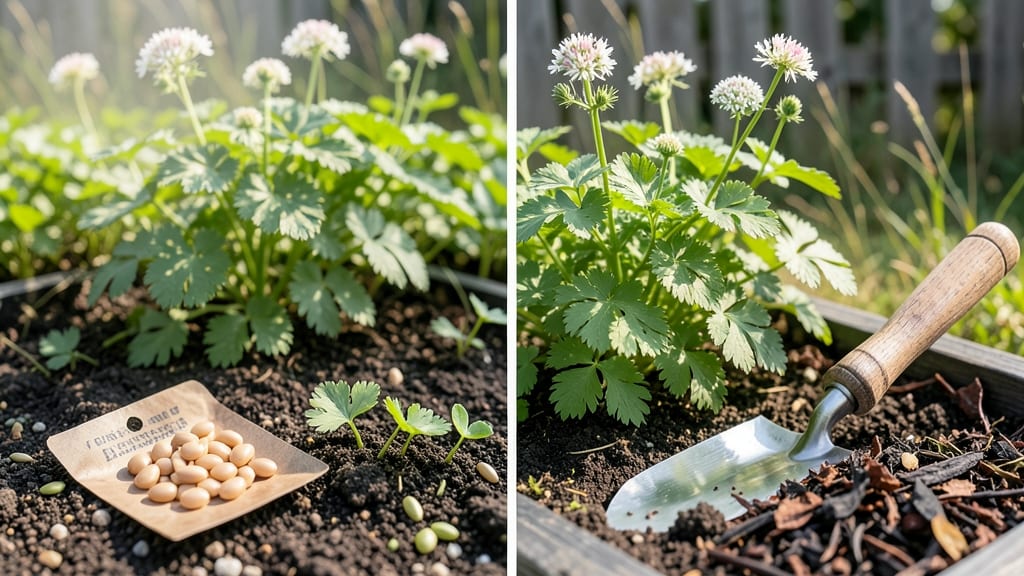
Planting cilantro in Florida’s 9a-11 zones feels like playing a high-stakes game of timing—get it wrong, and you’ll watch your 🌿 cilantro bolt into seed before you can say "taco night." But here’s the secret: with the right windows, you can grow fresh cilantro year-round, even through the heat.
The key is avoiding Florida’s brutal summer heat, which turns cilantro into a sad, bitter memory. Instead, focus on fall and early spring planting windows when temperatures dip just enough to keep your cilantro happy.
September through November and February through March are your golden opportunities—just don’t let the heat trick you into planting too early.
I’ve tested this myself, and the difference between a thriving cilantro patch and a bolting disaster comes down to two things: choosing heat-tolerant varieties and giving your plants the right conditions.
Whether you’re in North Florida’s cooler pockets or South Florida’s steamy lowlands, these strategies will keep your cilantro lush and ready for harvest.
Ready to grow cilantro that actually lasts? Let’s break down the best planting times, heat-resistant varieties, and pro tips to outsmart Florida’s climate—so you can enjoy fresh cilantro straight from your garden, not just from the store.
Best planting times for cilantro in Florida’s climate zones
Florida’s unique climate—spanning USDA Zones 9a to 11—means cilantro can grow year-round with the right timing. Unlike cooler climates, frost isn’t a concern, but heat and humidity can cause cilantro to bolt prematurely. The key is planting during cooler months when temperatures stay below 85°F.
In North Florida (Zones 8a-9a), like Jacksonville and Tallahassee, cilantro thrives in fall and early spring.
Meanwhile, Central Florida (Zones 9b-10a), including Orlando and Tampa, can extend planting into late spring before summer heat sets in. South Florida (Zones 10b-11), like Miami and Key West, offers two planting windows: fall and winter.
Here’s a breakdown of the ideal planting windows by region to maximize your harvest and avoid bolting:
| Climate Zone | Best Planting Window | Harvest Window | Key Consideration |
|---|---|---|---|
| North Florida (Zones 8a-9a) | September–November, February–March | October–December, April–May | Avoid summer heat; use shade cloth |
| Central Florida (Zones 9b-10a) | August–October, January–March | September–November, February–April | Plant in partial shade; water deeply |
| South Florida (Zones 10b-11) | September–November, January–February | October–December, February–March | Year-round growth possible with shade |
For North Florida, focus on fall planting (September–November) to avoid the brutal summer heat.
In Central Florida, you can push planting into late spring (March–April) if you provide afternoon shade. South Florida gardeners have the advantage of year-round growth, but even here, summer bolting is a risk if temperatures exceed 80°F.
If you’re eager for cilantro in summer months, consider container gardening with heat-tolerant varieties. Place pots in dappled shade and water consistently to keep soil moisture even. This mimics the partial shade cilantro prefers naturally.
Another pro tip: Succession planting every 2–3 weeks ensures a continuous harvest. For example, sow seeds in September, then again in October and November for a staggered harvest through winter. This works especially well in Central and South Florida, where winters are mild.
For spring planting, aim for February–March in North Florida or January–February in South Florida. Avoid planting too early, as cilantro may bolt quickly if temperatures rise suddenly. Monitor your local weather forecasts and adjust planting dates if heat waves are predicted.
Remember, cilantro is a cool-season crop, so it thrives when daytime highs stay below 75°F. In Florida’s heat, even heat-tolerant varieties will bolt faster. Pair your planting schedule with shade solutions like row covers or permanent shade cloth to extend the growing season.
Finally, soil preparation is critical. Amend your soil with compost or well-rotted manure to improve drainage and fertility. Cilantro hates soggy roots, so raised beds or elevated containers are ideal for Florida’s heavy clay soils in some regions.
Best planting times for cilantro in Florida’s climate zones
Florida’s 9a-11 climate zones create unique challenges for cilantro growers, but understanding the ideal planting windows can transform your garden into a year-round cilantro powerhouse. Unlike cooler climates, Florida’s lack of frost means we focus on avoiding summer heat rather than winter cold.
The best times to plant are during the cooler months, specifically September through November and February through March, when temperatures stay mild enough to prevent bolting.
In North Florida (zones 8a-9a), where evenings can dip cooler, you might even squeeze in a late summer planting in August—just be prepared to provide afternoon shade. Meanwhile, South Florida (zones 10a-11) gardeners should avoid planting before mid-September to escape the worst of the summer heat.
Timing is everything, and these windows ensure your cilantro stays lush and productive.
Here’s how Florida’s zones break down for optimal cilantro planting:
| Zone | Best Planting Window | Key Considerations | Harvest Window |
|---|---|---|---|
| North Florida (8a-9a) | August–September, February–March | Cooler nights; use shade cloth in late summer | September–November, March–May |
| Central Florida (9b-10a) | September–October, February–March | Avoid June–August heat; partial shade essential | October–December, March–May |
| South Florida (10b-11) | September–November, January–February | High humidity; prioritize airflow and shade | October–December, February–April |
If you’re in North Florida, don’t overlook the late summer window in August. The key is to plant cilantro seeds 6-8 weeks before the first expected heatwave, giving them time to establish roots before temperatures rise.
For South Florida, patience is key—wait until mid-September to avoid the worst of the summer heat, which can cause cilantro to bolt within weeks.
Pro tip: Use a shade cloth (30-50%) if planting in late summer or early fall to protect young seedlings from intense afternoon sun. This simple trick can extend your growing season by 2-3 weeks and keep your cilantro from turning bitter or flowering prematurely.
I’ve seen it work miracles in my own garden!
For year-round cilantro, consider succession planting every 2-3 weeks during the ideal windows. This ensures a continuous harvest without gaps. Just remember: cilantro is a cool-season crop, so it’s all about beating the heat—not fighting it.
With the right timing, you’ll enjoy fresh cilantro straight from your garden for months.