
Plants
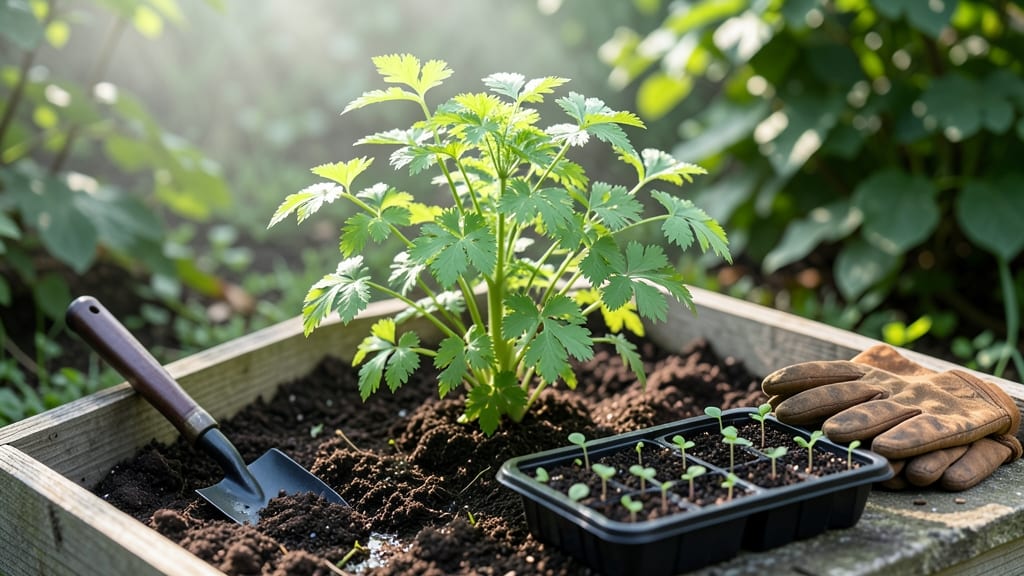
Planting cilantro in Oklahoma at the wrong time means bitter leaves or plants that bolt before you even get to harvest. The key to growing fresh, flavorful 🌿 cilantro here lies in understanding your local heat zone and frost dates—because timing isn’t just about months, it’s about microclimates.
Most of Oklahoma falls in USDA zones 7a-7b, where early spring and late summer are your best bets. But if you plant too soon, a late frost can wipe out seedlings, while planting too late in summer sends cilantro running to flower before you can use it.
The sweet spot? Start seeds indoors 4-6 weeks before your last frost date—or sow directly in the garden once soil temperatures stay below 80°F.
Here’s what you’ll discover: the exact months to plant for your specific Oklahoma region, how to stretch your harvest season, and why partial shade and consistent moisture are non-negotiable. Let’s skip the guesswork and get your cilantro thriving.
Whether you’re a first-time gardener or a seasoned green thumb, these strategies will help you avoid the most common mistakes—like overwatering or ignoring heat stress—that turn cilantro into a frustrating flop. Ready to grow cilantro that actually lasts?
Oklahoma’s best planting months for cilantro: heat Zone breakdown
Oklahoma’s USDA Hardiness Zones 7a-7b create a unique challenge for growing cilantro. The key to success lies in planting during cooler months when temperatures stay below 80°F.
If you plant too early, frost damage risks your seedlings, while planting too late often triggers bolting—that bitter, flowering stage we all hate.
For most of Oklahoma, the ideal planting window spans March through April for spring harvests and August through September for fall crops. However, microclimates in cities like Oklahoma City or Tulsa may allow slightly earlier or later plantings. Let’s break it down by month to maximize your cilantro’s potential.
Here’s how to align your planting schedule with Oklahoma’s heat zones and frost dates for the best results:
| Month | Heat Zone 7a (Northern OK) | Heat Zone 7b (Central OK) | Heat Zone 8a (Southern OK) |
|---|---|---|---|
| February | Start seeds indoors (risk of frost) | Start seeds indoors (high frost risk) | Start seeds indoors (low frost risk) |
| March | Direct sow after last frost (mid-March) | Direct sow early March (low frost risk) | Direct sow late February (frost-free) |
| April | Last chance for spring planting (bolting risk) | Ideal for spring harvest (avoid late April heat) | Avoid (too hot for cilantro) |
| May | Too hot (bolting guaranteed) | Too hot (bolting guaranteed) | Too hot (bolting guaranteed) |
| August | Start seeds indoors (cool nights) | Direct sow late August (shade essential) | Direct sow early August (high heat risk) |
| September | Ideal for fall harvest (cool nights) | Best for fall planting (low bolting risk) | Direct sow early September (first frost risk) |
| October | Last chance for fall harvest (frost risk) | Last chance for fall harvest (frost risk) | Too late (frost risk) |
In Northern Oklahoma (Zone 7a), where frost lingers longer, aim to plant cilantro after mid-March to avoid late frosts. Use row covers if planting in February for an early start. For Central Oklahoma (Zone 7b), you have more flexibility—plant in early March or late August for two harvests.
If you’re in Southern Oklahoma (Zone 8a), where summers are scorching, focus on fall planting in September. The cooler nights help cilantro thrive without bolting.
For all zones, succession planting every 2-3 weeks ensures a continuous harvest. For example, plant a new batch in early March and again in mid-August.
Pro tip: Use shade cloth (30-50%) during peak afternoon sun (12 PM–4 PM) to protect cilantro from Oklahoma’s intense heat. This simple trick can extend your growing season by 2-3 weeks in both spring and fall.
One common mistake is assuming cilantro can handle Oklahoma’s summer heat. Even shade-loving varieties like ‘Calypso’ or ‘Santo’ will bolt if temperatures exceed 75°F for more than a few days. Save your summer energy for <
Oklahoma’s best planting months for cilantro: heat Zone breakdown
Oklahoma’s USDA Zones 7a-7b create unique challenges for growing cilantro. The key to success? Planting during cool-season windows when temperatures stay below 80°F. Outside these windows, your cilantro will bolt or develop bitter flavors faster than you can say "salsa verde."
For most of Oklahoma, the ideal planting months are March and April for spring, followed by August-September for fall. These windows align with last frost dates (mid-March) and first frost dates (mid-November), giving cilantro enough time to mature before extreme heat or cold sets in.
Here’s how to adapt your planting schedule based on Oklahoma’s microclimates. Northern regions (like Oklahoma City) can start slightly earlier, while southern areas (like Tulsa) may need to delay until late March or early April to avoid early heat stress.
| Zone & Region | Best Planting Window | Soil Prep Tip | Microclimate Note |
|---|---|---|---|
| Zone 7a (Northwest OK) | Late February–Early March | Add compost for faster warming | Cooler nights extend growing season |
| Zone 7b (Oklahoma City) | Mid-March–April | Use mulch to retain moisture | Urban heat islands may need shade |
| Zone 8a (Southeast OK) | Late March–Early April | Test soil pH (6.2–6.8 ideal) | Higher humidity increases fungal risk |
| All Zones (Fall) | August 15–September 15 | Use shade cloth for afternoon sun | Elevate beds for drainage |
For spring planting, aim to harvest cilantro by late May before temperatures consistently exceed 85°F. In fall, focus on planting by mid-September to ensure harvests before the first frost in November.
If you’re in Zone 8a, you might squeeze in a late fall harvest until early November.
Pro tip: Use shade cloth (30–50%) if planting in May or September to protect tender cilantro from intense Oklahoma sun. This simple trick can extend your growing window by 2–3 weeks and prevent bolting. Pair it with drip irrigation to keep roots cool and consistent.
Remember, cilantro thrives on cool nights and mild days. If your garden hits 90°F+ during the day, even with shade, it’s time to succession plant for a fall crop.
Oklahoma’s climate is tricky, but with these zone-specific adjustments, you’ll avoid the common pitfalls of bitter leaves and wasted effort.