
Plants
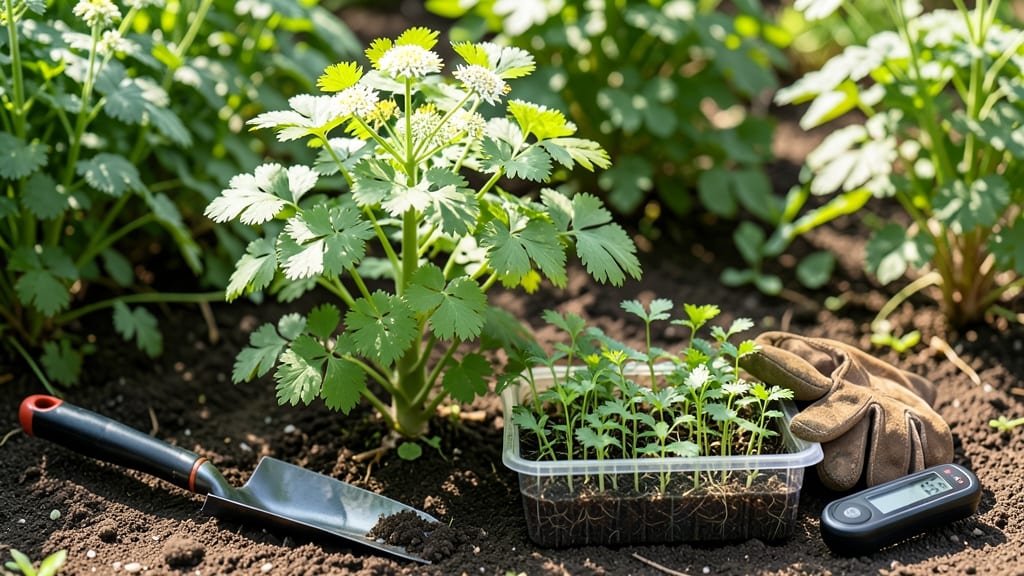
Planting cilantro in Oregon at the wrong time means watching your fresh 🌿 harvest bolt into bitter seeds before you even get a chance to enjoy it.
The key to success lies in understanding Oregon’s 7b-9a zones, where frost dates can shift dramatically between the Willamette Valley and Eastern Oregon’s high desert.
Most gardeners in Zone 7b can start seeds as early as late February, while those in Zone 9a might wait until April to avoid early frost surprises.
The real trick? Timing your spring planting for March-April when soil temps hit that sweet spot of 50-60°F—any earlier, and you risk stunted growth.
But here’s the secret Oregon growers don’t always share: late summer is your second chance. Plant again in August-September for a fall crop that thrives before the first frost hits around November 1. I’ll show you exactly how to stretch your growing season without losing flavor or yield.
Whether you’re a first-time gardener or a seasoned Oregon green thumb, these zone-specific deadlines will help you avoid the most common mistakes. Let’s get your cilantro growing strong—no bitter surprises allowed.
Oregon cilantro planting calendar: frost-free deadlines by USDA Zone
Oregon’s diverse climate—from the cool, wet Willamette Valley to the drier Eastern regions—means cilantro planting windows vary dramatically. The key is timing your cool-season crop to avoid early frost or heat-induced bolting.
Let’s break down the ideal planting months for Oregon’s USDA Zones 7b-9a, where last frost dates can shift by 2-3 weeks between regions.
Cilantro thrives when soil temperatures stay between 40°F and 75°F. In Oregon, this translates to March-April for spring plantings and August-September for fall crops. Missing these windows risks bitter leaves or stunted growth.
For example, planting in May often triggers bolting before you can harvest, while October plantings may not mature before frost.
Here’s your Oregon-specific cilantro planting guide, organized by zone and microclimate. Pay special attention to the first frost dates—these are your hard deadlines for fall plantings.
| USDA Zone | Last Frost Date | Ideal Planting Window | Fall Planting Deadline | Soil Temp Goal |
|---|---|---|---|---|
| 7b (Eastern OR) | May 1 - May 15 | March 15 - April 30 | August 1 - August 15 | 45°F - 65°F |
| 8a (Central OR) | April 15 - April 30 | March 1 - April 15 | August 15 - September 1 | 40°F - 70°F |
| 8b (Willamette Valley) | March 15 - April 1 | February 28 - April 15 | August 30 - September 15 | 40°F - 75°F |
| 9a (Southern OR) | February 15 - March 1 | January 15 - April 1 | September 1 - September 30 | 45°F - 80°F |
🌱 Note: Adjust for high-elevation areas (e.g., Bend) by planting 2-3 weeks later.
For Zone 8b (like Portland), I’ve had the most success with late February starts under row covers to protect tender seedlings. The Willamette Valley’s cooler nights help cilantro stay lush longer, but even here, June plantings rarely work—bolting happens within weeks.
In drier Eastern Oregon, focus on fall plantings to avoid summer heat stress.
Pro tip: Use Oregon State University’s frost date maps (available via their garden ecology resources) to fine-tune your schedule. For example, Medford’s Zone 9a allows a 3-month extension for fall crops compared to Bend’s Zone 7b.
This means you can push your September plantings into early October in Southern Oregon.
If you’re in Zone 7b or higher elevations, consider succession planting every 2-3 weeks from March through May. This staggered approach ensures a continuous harvest before summer heat sets in.
For instance, plant 1/3 of your seeds in March, another 1/3 in April, and the final batch in early May—just as the first batch nears harvest.
One common mistake Oregon gardeners make is overestimating cilantro’s heat tolerance. While some varieties like ‘Calypso’ handle 80°F better than others, most cilantro will bolt by 75°F. In Zone 9a, this means your fall planting window closes by mid-September—after that, even partial shade won’t prevent bolting.
For container gardening in cities like Portland, you can extend your season by 1-2 weeks in both spring and fall. Pots warm up faster than garden beds, so monitor soil temps closely. If your morning soil temp hits 70°F+, it’s time to harvest or replant
How to extend cilantro’s growing season in Oregon’s climate
Oregon’s unpredictable summer heat and cool fall nights can turn cilantro from a flavorful harvest into a bitter disappointment if you don’t plan ahead. The key to success? Strategic timing and season-extending tricks that keep your plants happy and productive.
I’ve learned the hard way—skipping these steps means watching your cilantro bolt into seed before you even get a chance to use it.
First, focus on late summer plantings (August-September) for a fall crop. This timing lets cilantro mature before the first frost hits around November 1 in most of Oregon. Pair this with succession planting every 2-3 weeks to ensure a continuous supply of fresh leaves.
For spring plantings, start seeds indoors in late February and transplant after the last frost (typically March 15), but be ready to provide shade if temperatures climb too high.
Here’s the game-changer: shade cloth is your cilantro’s best friend. When daytime temps hit 75°F+, drape 30-50% shade cloth over your plants to prevent bolting. I’ve seen cilantro thrive under this setup even in Willamette Valley summers, where heat waves can sneak up unexpectedly.
Pair this with drip irrigation to keep soil evenly moist—cilantro hates drying out, and stress accelerates bolting.
Don’t overlook companion planting—it’s a simple way to regulate temperature and deter pests. Pair cilantro with bush beans or lettuce; these plants create a microclimate that stays cooler and more humid, which cilantro loves.
Avoid planting near dill or fennel, though—their strong scents can cross-pollinate and ruin your cilantro’s flavor. I’ve also had success using reflective mulch (like white plastic sheeting) around my plants to bounce back heat and light, which can buy you an extra week or two of growing time.
For Eastern Oregon’s drier zones, where summers are hotter and winters colder, focus on container growing. Move pots to shaded areas during heatwaves and bring them indoors if frost threatens.
This flexibility lets you adjust to Oregon’s microclimate extremes—from the Willamette Valley’s mild winters to the high desert’s rapid temperature swings. The goal? Keep cilantro growing steadily without stress, so you can harvest flavorful leaves for 60-70 days without bolting.
Finally, harvest regularly to encourage bushier growth. Pinch off flowers as soon as they appear—they’re a sure sign your cilantro is bolting. With these strategies, you’ll avoid the bitter disappointment of wasted plants and enjoy fresh cilantro straight from your Oregon garden all season long. 🌱