
Plants
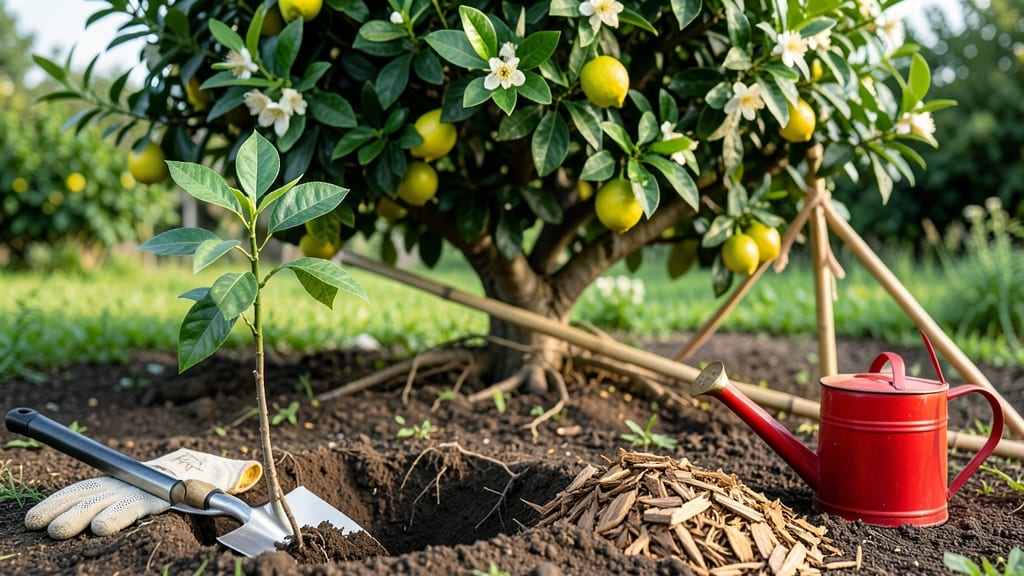
Planting citrus in Arizona at the wrong time could mean watching your 🍊 trees struggle—or worse, die—from a surprise frost or scorching summer heat. The key to success lies in timing it right, between November and March when temperatures are mild and the risk of frost has passed.
If you've ever wondered why some Arizona citrus growers get bumper crops while others fight stunted growth, it usually comes down to planting too early or too late. I've seen firsthand how a few weeks can make all the difference between thriving trees and ones that barely survive.
In this guide, I'll break down the exact frost-free windows for planting container-grown citrus and bare-root seedlings, so you can avoid common mistakes like late frost damage or summer heat stress. Whether you're planting oranges, lemons, or grapefruit, these timing tips will help you maximize your harvest.
Let's dive into the best months for planting in Arizona's 9b zone, where a little preparation goes a long way toward growing healthy, productive citrus trees that will reward you with fruit for years to come.
Best planting times for Arizona citrus trees by variety
Arizona’s USDA Zone 9b climate is perfect for growing citrus, but timing matters to avoid frost damage or heat stress. Most citrus trees thrive when planted during the cooler months—from November to March—when temperatures are mild and roots can establish before summer heat arrives.
Container-grown citrus (like dwarf varieties) can be planted year-round in low desert areas (e.g., Phoenix, Tucson), but bare-root seedlings need cooler soil to prevent transplant shock. Higher elevations (e.g., Flagstaff) face earlier frost risks, so plant 2-3 weeks earlier to stay ahead of cold snaps.
Here’s a quick breakdown of the best planting windows for popular citrus varieties in Arizona:
| Variety | Ideal Planting Window | Notes |
|---|---|---|
| Oranges (Valencia, Navel) | November–February | Slow-growing; needs 6+ months to bear fruit. |
| Lemons (Eureka, Meyer) | October–March | Faster growth; tolerates light shade in summer. |
| Limes (Bearss, Key) | November–January | Heat-sensitive; plant early to avoid summer stress. |
| Grapefruit (Ruby Red, White) | December–February | Largest trees; needs deep, well-draining soil. |
| Dwarf Varieties (Calamondin, Improved Meyer) | Year-round (low desert) | Container-friendly; ideal for patios or small yards. |
For container-grown citrus, you can plant anytime in low desert areas (e.g., Phoenix, Yuma), but bare-root trees should go in the ground by late February to avoid summer heat stress. If you’re in higher elevations (e.g., Prescott, Sedona), stick to November–January to dodge unexpected frost.
Pro tip: Soil temperature should be above 60°F for citrus roots to thrive. Use a soil thermometer to check before planting—especially in cooler microclimates like the White Mountains.
Once planted, water deeply every 7–10 days (more in summer) and mulch with 3–4 inches of organic matter to retain moisture. Avoid fertilizing for 6–8 weeks after planting to let roots establish.
If you miss the ideal window, don’t panic! April planting is still possible in low desert zones, but provide extra shade for the first 30 days to help young trees acclimate to Arizona’s intense summer sun.
Remember: Citrus trees are evergreen, but they slow growth in winter. Planting in late fall or early spring gives them time to root deeply before the heat of June–August arrives.
🌱
Best planting times for Arizona citrus trees by variety
Arizona’s USDA Zone 9b climate lets you grow citrus year-round, but timing matters to avoid late frost damage or heat stress. Most citrus trees thrive when planted during the cool, frost-free window—typically November through March. This gives roots time to establish before summer’s intense heat arrives.
Container-grown citrus (like Meeker lemons or Valencia oranges) can be planted even in April or October, but bare-root seedlings need the cooler winter months for best survival. Higher elevations (e.g., Flagstaff) face earlier frost risks, so plant 2-4 weeks earlier than low desert areas like Phoenix.
🌱 PRO TIP: Check your local last frost date—Arizona’s low desert rarely sees frost after December 15, but mountain regions can drop below 28°F as early as November. Use this frost-free timeline to guide your planting schedule.
| Citrus Variety | Optimal Planting Window | Notes |
|---|---|---|
| Valencia Oranges | November–February | Cold-hardy to 22°F; plant after last frost risk. |
| Meeker Lemons | December–March | Sensitive to frost; avoid high desert planting. |
| Ruby Red Grapefruit | October–January | Tolerates 25°F; ideal for low desert. |
| Limequats (Hybrid) | November–February | Dwarf variety; plant in containers for flexibility. |
For container-grown citrus, you can extend planting into April in low desert areas, but ensure trees get daily afternoon shade during 100°F+ days. Dwarf varieties like Calamondin oranges adapt better to urban microclimates with reflected heat from buildings or pavement.
If you miss the winter window, spring planting (April) is possible—but prioritize watering and mulching to help roots adjust. Avoid planting in summer (May–September) unless using shade cloth; high temperatures stress young trees.
Always test soil drainage before planting—citrus hates waterlogged roots. Amend heavy clay with compost or sand to prevent root rot, especially in monsoon-prone areas like Tucson. Mulch with wood chips to retain moisture and regulate soil temperature.