
Plants
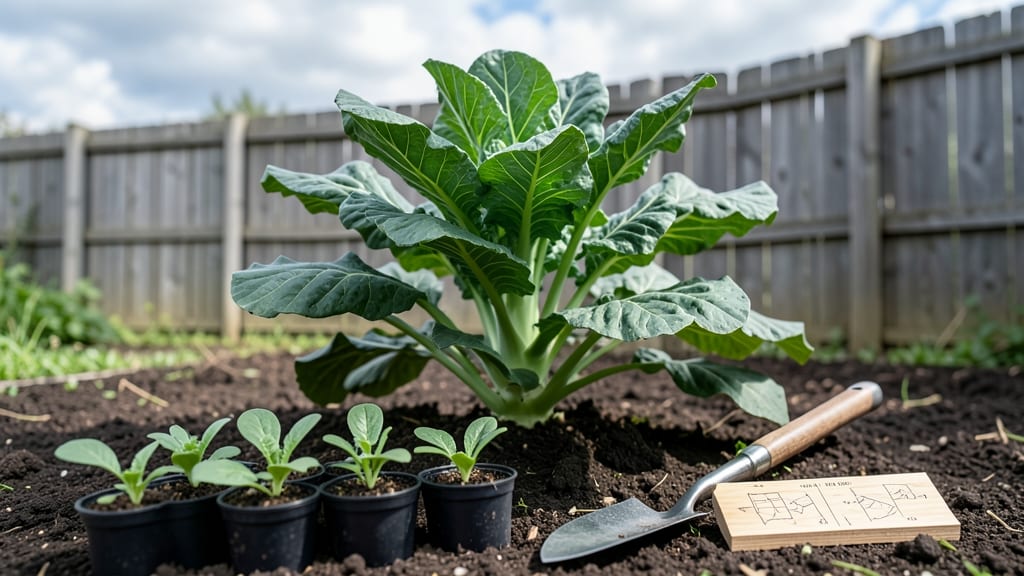
If you’ve ever wondered when to plant collard greens in Tennessee to avoid bolting or wilting before harvest, timing is the secret weapon you’re missing. Planting too early risks frost damage, while waiting too long means bitter, tough leaves instead of the sweet, tender harvest you crave.
Tennessee’s USDA zones 6a-7b give you two prime windows—spring and fall—but getting the exact dates right makes all the difference. Whether you’re in Nashville’s 6b or the cooler 7a of East Tennessee, the frost-free window shifts by weeks, and missing it could mean wasted effort.
I’ll break down the exact frost dates by county so you can plant collard greens at the perfect moment for maximum yield. From soil prep to post-planting care, these tips will ensure your greens thrive whether you’re sowing in March-April or August-September.
Ready to turn your garden into a year-round collard green powerhouse? Let’s dive into the frost-free strategy that’ll keep your harvest crisp, flavorful, and bountiful—no guesswork required.
Tennessee’s frost-free planting zones for collard greens by county
Tennessee’s varied climate—from USDA Zone 6a in the mountains to Zone 7b in the southern plains—means your collard green planting window depends heavily on where you live.
In Northeast Tennessee (e.g., Johnson City), the last frost typically arrives around April 15, while Memphis gardeners can plant as early as March 1. Understanding these regional differences ensures your collards thrive year-round.
For spring plantings, aim to sow seeds or transplant seedlings 2-3 weeks after your area’s last frost date. In fall, plant 6-8 weeks before the first frost—usually mid-August to early September for most of Tennessee.
This timing lets collards mature before winter’s chill sets in, delivering sweet, tender leaves even in colder months.
Southern Tennessee counties like Shelby, Davidson, and Haywood (USDA Zone 7b) have longer growing seasons and can even try winter harvests with cold-hardy varieties like ‘Georgia Southern’. Meanwhile, East Tennessee’s higher elevations (e.g., Sevier County) may need to focus on spring and early fall plantings to avoid frost damage.
🌱
Tennessee Collard Green Planting Zones
| Region | USDA Zone | Last Frost | First Frost | Spring Planting | Fall Planting |
|---|---|---|---|---|---|
| Northeast (Johnson City) | 6a | April 15 | November 1 | April 30-May 15 | August 15-Sept 1 |
| Middle (Nashville) | 7a | March 15 | November 15 | March 30-April 15 | August 1-Sept 10 |
| West (Memphis) | 7b | March 1 | November 20 | March 15-April 1 | July 30-Sept 15 |
| East (Chattanooga) | 7a | March 10 | November 10 | March 25-April 10 | August 5-Sept 5 |
| High Elevation (Sevier) | 6b | April 20 | October 30 | May 1-June 1 | July 15-August 15 |
💡 Pro Tip: Use row covers to extend fall harvests by 2-3 weeks in cooler zones.
If you’re in Zone 7b (e.g., Memphis or Jackson), you can push the envelope with heat-tolerant varieties like ‘Top Bunch’ or ‘Vates’, which handle summer’s heat better than traditional collards.
In higher elevations (Zone 6a/b), opt for ‘Blue Max’ or ‘Georgia Southern’, which withstand light frosts and still produce sweet leaves.
For container gardening in urban areas like Nashville or Knoxville, choose compact varieties like ‘Champion’ and plant in 5-gallon pots with well-draining soil. Containers warm up faster in spring, so you can start 2 weeks earlier than in-ground plantings.
Always test your soil pH (6.0-7.0 ideal) before planting. Tennessee’s clay-heavy soils in the west benefit from compost amendments, while sandy soils in the east may need organic matter to retain moisture. A simple soil test kit (available at local garden centers) saves guesswork and ensures your collards thrive.
🌿
One common mistake is assuming “all collards are the same”. Southern varieties (like ‘Georgia Southern’) handle heat better, while Northern types (like ‘Blue Max’) tolerate frost.
Match your variety to your climate—this simple swap can mean the difference between bitter, stunted plants and crisp, flavorful harvests.
For fall plantings, prioritize direct sowing over transplants. Seeds germinate faster in warm soil, and young seedlings are less stressed by temperature swings in late summer. If you’re transplanting, harden off seedlings for 7-10 days by gradually exposing them to outdoor conditions.
🪴
How to extend your collard green harvest with successive plantings
If you love collard greens as much as I do, you’ll want to maximize your harvest. Tennessee’s long growing season lets you enjoy fresh greens from spring through winter—if you plan ahead. Successive plantings are the secret to a continuous supply of crisp, flavorful collards without gaps in your harvest.
Start by planting your first batch 4-6 weeks before your expected first frost (typically late August in most of Tennessee). This gives young plants time to establish roots before cold weather sets in.
For example, in Nashville (Zone 7a), aim for mid-August plantings, while Chattanooga (Zone 7b) can push it to early September.
Here’s how to time your plantings for maximum yield:
- 📅 First Planting: Late August for fall harvest (ready by October).
- 📅 Second Planting: Mid-September for winter harvest (protect with row covers).
- 📅 Spring Planting: Early March after last frost (harvest by May-June).
- 🌡️ Heat Tip: Choose heat-tolerant varieties like 'Georgia Southern' for southern TN.
- 🛡️ Frost Protection: Use row covers or cloches for late plantings.
For fall plantings, focus on cold-hardy varieties like 'Blue Max' or 'Vates'. These varieties can handle light frosts and even taste sweeter after a frost. Plant them in well-draining soil with full sun exposure (6+ hours daily) to encourage strong growth before winter.
If you’re in southern Tennessee (Zones 7b-8a), you can push your fall plantings even later—up to mid-October—thanks to milder winters. Just be ready to protect young plants with frost blankets if temperatures dip below 25°F.
In northern counties (Zone 6a), stick to late August plantings to avoid early frost damage.
Pro tip: Harvest outer leaves first to encourage regrowth. This keeps your plants productive for 6-8 weeks longer than if you cut the whole plant at once.
Mulch around the base with straw or leaves to insulate roots during cold snaps—this can extend your harvest by 2-3 weeks in early winter.
With these strategies, you’ll enjoy homegrown collards from late summer through winter, even in Tennessee’s varying climates. Happy planting! 🌿