
Plants
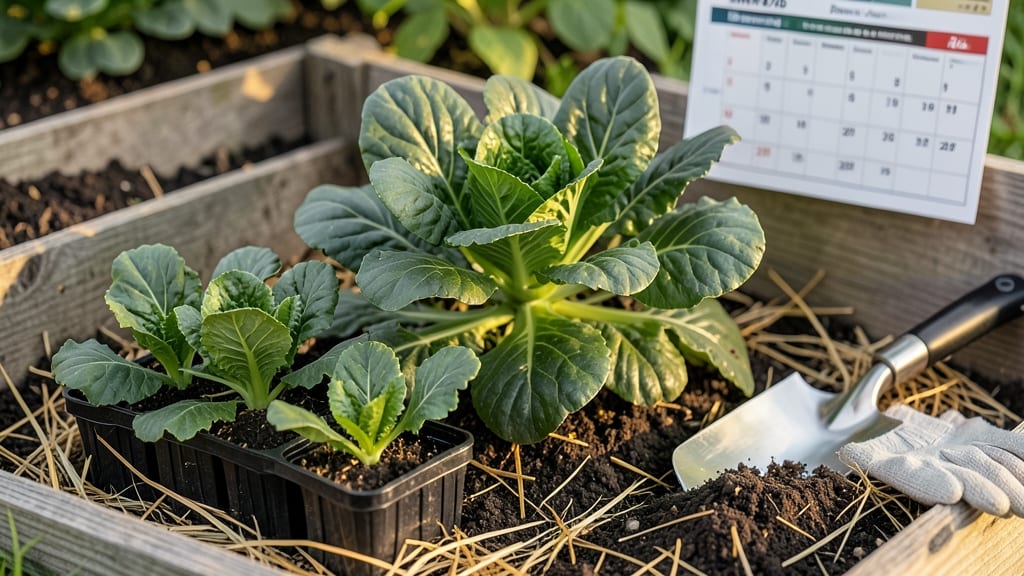
Planting collards at the wrong time in Zone 7b can turn your sweet harvest into bitter disappointment—but timing these leafy greens just right unlocks a bounty of crisp, flavorful 🥬 all season long.
Unlike heat-loving crops, collards actually thrive in cooler weather, which means spring and fall are your golden windows. In Zone 7b, where the first frost typically arrives around mid-November, you’ve got two prime chances to plant: early spring (March to early April) or late summer (August to early September).
Here’s the key: plant your collards 6-8 weeks before that first frost for a fall harvest, or 4-6 weeks before the last frost in spring. This timing ensures your plants mature just as temperatures drop, giving you tender leaves when they’re at their peak.
Ready to avoid the common mistakes that sabotage collard gardens? I’ll walk you through the exact planting schedule, soil prep secrets, and how to stretch your harvest—so you’re enjoying homegrown greens from early fall right through winter.
Optimal planting dates for collards in Zone 7B: avoiding heat stress
Collards are cool-season powerhouses that bolt—or go bitter—when temperatures climb above 80°F. In Zone 7B, where last frosts average March 15 and first frosts hit November 15, timing is everything.
Plant too early, and your collards may bolt from heat; too late, and they’ll struggle to mature before winter. The sweet spot? Early spring (March–April) and late summer (August–September) for two harvests.
For a fall harvest, aim to plant 6–8 weeks before your first frost (around August 15–September 1). This gives collards 60–70 days to mature before cold snaps. For a spring harvest, plant 4–6 weeks before your last frost (around February 15–March 1).
Spring-planted collards often taste sweeter after a light frost, but avoid planting in January—soil stays too cold for germination.
Zone 7B’s summer heat (June–July) is collards’ worst enemy. If you try planting in June, expect bolting within weeks and bitter leaves. Instead, use heat-tolerant varieties like 'Blue Max' or 'Georgia Southern' for a late-summer gap harvest (plant around July 15 for a fall harvest).
These varieties handle 85°F better than standard types.
Soil temperature matters just as much as air temperature. Collard seeds need soil at 45–85°F to germinate. In Zone 7B, soil warms to 60°F+ by mid-March, making early spring ideal.
Use a soil thermometer to confirm—cold, wet soil delays germination. For fall planting, soil should stay above 50°F for 4–6 weeks post-planting to avoid stunted growth.
Microclimates in Zone 7B can shift planting windows by 2–3 weeks. If your garden sits in a low-lying area, frosts arrive earlier—plant late August instead of September.
Conversely, south-facing slopes warm faster, letting you plant early March without frost risk. Observe your garden’s patterns for 3 years to refine your schedule.
Direct-sow collards ¼ inch deep, spacing seeds 1–2 inches apart in rows 18 inches apart. Thin seedlings to 12–18 inches apart once they’re 3–4 inches tall. Transplants can go in 2–3 weeks earlier than seeds, giving you a 2-week head start.
Harden off transplants by exposing them to Zone 7B’s afternoon sun for 5–7 days before planting.
Mulch with 2–3 inches of straw or leaves after planting to regulate soil temperature. In spring, mulch keeps soil cool; in fall, it insulates roots from early frosts.
Remove mulch in late summer to prevent soil from staying too cool for fall germination. Black plastic mulch can raise soil temps by 5–10°F, extending your fall planting window by 1–2 weeks.
Monitor your collards’ leaf texture after planting. Bitter or tough leaves signal heat stress or overmaturity. Harvest outer leaves first to encourage tender regrowth.
In Zone 7B, collards planted in early September often yield sweeter leaves after a light frost, but avoid heavy freezes (28°F) that damage foliage.
If you miss the ideal windows, don’t despair. Collards are cold-hardy to 15°F, so fall-planted crops often survive winter for a spring harvest. Just add 2–3 inches of mulch before the first frost to protect roots.
With the right timing, you can enjoy collards year-round in Zone 7B—just adjust your planting strategy for each season.
Optimal planting dates for collards in Zone 7B: avoiding heat stress
Collards are cool-season powerhouses that despise summer heat, making timing everything in Zone 7B critical. The last average frost date here is March 15, while the first frost typically arrives November 15. This gives you two perfect windows: early spring and late summer/fall.
For a fall harvest, aim to plant 6–8 weeks before your first frost—that’s mid-September for Zone 7B. This ensures collards mature before cold sets in. Spring plantings should go in 4–6 weeks before last frost, so late February to early March works best.
Here’s why these windows matter: Heat stress after 80°F soil temps causes collards to bolt (flower prematurely), making leaves bitter. Zone 7B summers often hit 90°F+, so avoid planting between May and August unless using shade cloth.
| Season | Planting Window | Key Consideration | Harvest Time |
|---|---|---|---|
| Early Spring | Late February–Early March | Soil temps 50–60°F; avoid frost | April–May |
| Late Summer/Fall | Mid-August–Mid-September | 6–8 weeks before frost; no summer heat | October–November |
| Avoid | May–July | Soil temps 80°F+ trigger bolting | Poor growth |
Pro tip: Use shade cloth (30–50%) if planting in late spring to protect seedlings from Zone 7B’s intense sun. Remove it once temps drop below 75°F at night.
For year-round harvests, stagger plantings every 2–3 weeks during your optimal windows. This ensures a steady supply of tender, sweet leaves instead of one big harvest.
Remember, collards are frost-tolerant down to 20°F, so don’t rush to harvest before winter—just protect plants with row covers if temps dip below 25°F.