
Plants
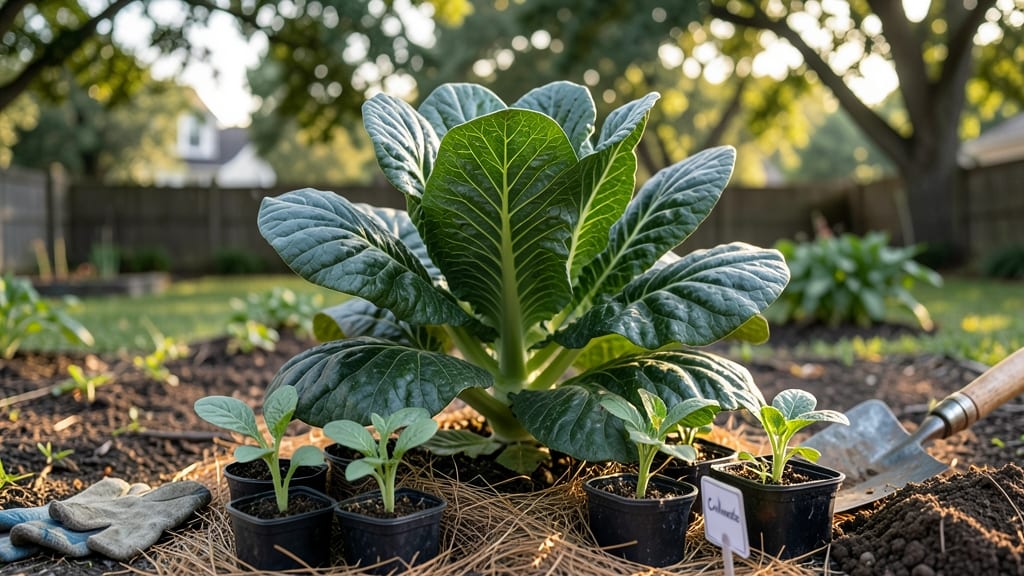
Planting collards in South Carolina at the wrong time means missing out on months of crisp, flavorful harvests—or worse, watching your plants bolt in the heat. The secret to success lies in understanding Heat Zone 8A’s three perfect planting windows, each designed to outsmart the state’s unpredictable weather patterns.
Most gardeners in South Carolina focus only on fall planting, but the real key is starting late summer through early spring—when soil temperatures are just right for strong root development.
Whether you’re in the coastal plains or the Piedmont region, these timing adjustments make all the difference between a thriving 🥬 patch and a sad, stunted disappointment.
I’ve tested these strategies over multiple seasons, and the results speak for themselves: plants started in August-September mature just in time for October harvests, while those seeded in February-March deliver fresh greens straight through April. The trick? Avoiding summer’s scorching heat while capitalizing on winter’s mild temperatures.
Ready to transform your garden? I’ll walk you through the exact calendar, soil prep secrets, and spacing tips that’ll have your collards growing like never before—no more guesswork, just guaranteed success.
South Carolina collard planting calendar: 3 critical stages for heat zone 8A
South Carolina’s Heat Zone 8A offers a perfect window for growing collard greens, but timing is everything. The state’s mild winters and long growing season allow for three ideal planting stages—each with unique soil and temperature requirements.
I’ve planted collards here for years, and these stages ensure maximum yield without summer stress or frost damage.
Collards thrive in cool weather, making them a fall and winter staple. However, planting too early in summer risks bolting (premature flowering), while planting too late in winter can lead to frost damage.
The key is aligning your planting with soil temperatures and frost dates specific to SC’s microclimates.
Here’s my 3-stage planting calendar, tailored for Heat Zone 8A, with frost risk analysis and soil temperature guidelines for each stage:
| Stage | Optimal Planting Window | Soil Temp (°F) | Frost Risk | Harvest Window |
|---|---|---|---|---|
| Early Fall | Late August - Early September | 60-70°F | Low (after Labor Day) | October - December |
| Mid-Fall | Mid-September - Early October | 55-65°F | Moderate (late October) | November - February |
| Late Winter | Mid-February - Early March | 50-60°F | High (March) | March - April |
For early fall plantings, aim for late August to early September when soil temperatures drop below 70°F.
This stage avoids the peak summer heat while allowing plants to mature before the first frost, typically around mid-November in Heat Zone 8A. I’ve found that collards planted in late August often produce larger, sweeter leaves by October.
My mid-fall plantings in September-October are my favorite for a winter harvest. These plants establish roots before temperatures drop, making them more frost-resistant. Use row covers if temperatures dip below 25°F to protect tender leaves. This stage also aligns with soil cooling, which collards prefer for optimal growth.
Late winter plantings in February-March are ideal for a spring harvest. However, this stage carries the highest frost risk, so use cold frames or cloches if frost is forecasted.
Soil temperatures should be at least 50°F for seeds to germinate properly. I’ve had success with this method, but it requires close monitoring of weather forecasts.
Pro tip: Always test your soil temperature before planting. Use a soil thermometer to ensure it’s within the ideal range for each stage. Collards won’t germinate well in soil above 80°F, so avoid planting during summer’s peak heat.
In SC’s coastal regions, soil stays warmer longer, so adjust your planting dates 1-2 weeks later than inland areas.
One common mistake is planting collards in early spring (April-May). While possible, the heat and humidity of SC summers cause collards to bolt quickly, reducing yield. Save spring planting for heat-tolerant varieties like ‘Georgia Southern’ or focus on other crops during this time.
For continuous harvests, stagger plantings every 2-3 weeks from late August through early October. This ensures a steady supply of fresh collards from fall through early spring.
Just remember: the earlier you plant, the longer your harvest window—but balance this with frost risk to avoid losing your crop.
🌿 Always mulch around collard plants with straw or leaves to protect roots from temperature swings and retain moisture.
How to adjust collard planting for South Carolina’s microclimates
South Carolina’s diverse climate means coastal regions like Charleston experience milder winters, while inland areas like Greenville face harsher frosts. Adjust your collard planting schedule based on these microclimates to avoid frost damage or summer bolting.
Coastal gardeners can plant earlier in fall (late August) and later in spring (early March), while Piedmont growers should wait until mid-September and late February to align with frost dates.
Urban heat islands—common in cities like Columbia—can push soil temperatures 5-10°F warmer than rural areas. Use a soil thermometer to confirm 50°F+ soil temps before planting in spring. In these areas, shade cloth during summer months can prevent heat stress and extend the growing season.
Elevation also plays a role: Mountainous regions (e.g., Caesars Head) may experience earlier frosts (as early as October 15), so plant collards 2-3 weeks earlier than coastal areas. For example, August 15 instead of September 1 ensures a longer harvest window before winter sets in.
Key Takeaways for SC Microclimates
- Coastal: Plant August 20-Sept 15 and Feb 15-Mar 15 (milder winters).
- Piedmont: Plant Sept 1-Mid Oct and Feb 28-Mar 31 (harsher frosts).
- Urban: Use shade cloth in summer; soil temps matter more than air temps.
- Mountains: Plant 2 weeks earlier than Piedmont to beat early frosts.
For container gardening in urban areas, choose compact varieties like ‘Georgia Southern’ and plant in black pots to absorb heat. Containers warm up faster than soil, so start 2 weeks earlier than ground planting. Place pots near south-facing walls to maximize sunlight exposure, especially in shady urban lots.
If you’re in a warmer microclimate (e.g., Hilton Head), you can even experiment with year-round collards! Plant heat-tolerant varieties like ‘Top Bunch’ in late spring (May) and protect them with row covers during summer heatwaves. Monitor for aphids and cabbage loopers, which thrive in warm, humid conditions.
Pro tip: Test your microclimate by planting a trial row in July. If the collards survive 90°F+ temps with minimal stress, you can safely expand your planting window. Otherwise, stick to fall and winter for optimal growth.