
Planting
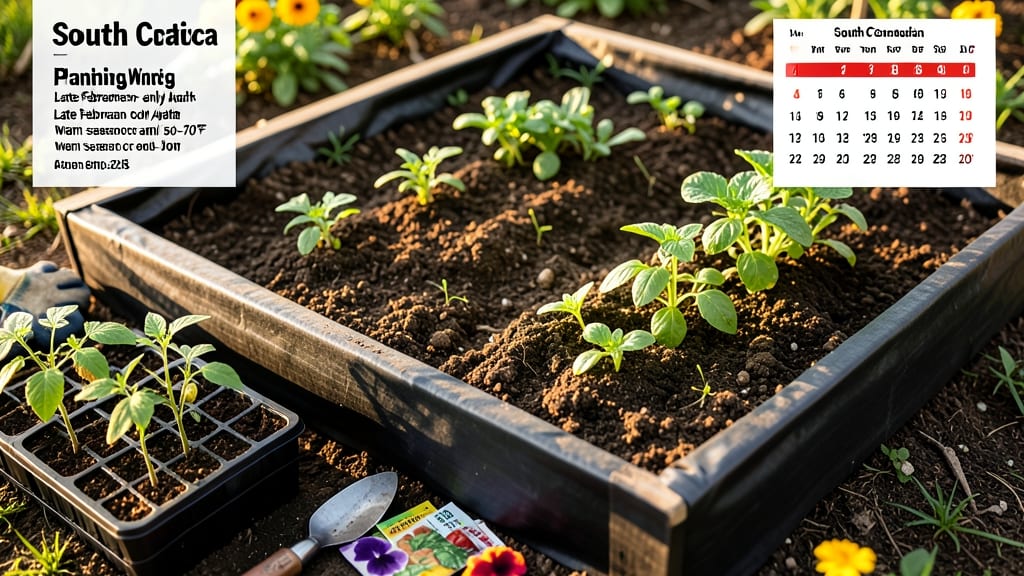
Timing when to plant a garden in South Carolina just right can mean the difference between a thriving harvest and lost seedlings. The state's 7a-9a zones offer a long growing season, but frost dates and humidity create unique challenges that catch even experienced gardeners off guard.
If you've ever watched your 🌱 General Garden Vegetables wilt after a surprise late frost or struggle in summer heat, you know how critical precise planting windows are. South Carolina's coastal regions and Piedmont areas have different frost patterns, meaning what works in Charleston might fail in Columbia.
I've spent years perfecting the science behind when to plant in SC's climate, and what I'm about to share will help you avoid common mistakes.
From cool-season crops that need to go in by March to heat-loving plants that wait until May, we'll cover exactly when to start seeds indoors and when to transplant outdoors.
Whether you're a beginner or seasoned gardener, these zone-specific tips will give you the confidence to maximize your growing season. Let's get those seeds in the ground at the perfect moment for your part of South Carolina.
South Carolina planting calendar by heat zone (7A vs 8B)
South Carolina spans USDA Heat Zones 7A and 8B, creating distinct planting windows. Zone 7A (northwest mountains) averages 150 frost-free days, while Zone 8B (coastal areas) enjoys 240+ days—meaning your coastal garden can grow heat-loving crops like okra and sweet potatoes year-round!
Use these average frost dates as your guide: Zone 7A’s last frost typically hits March 15-April 1, while Zone 8B rarely sees frost after January 15. Coastal areas also benefit from warmer soil temperatures 2-4 weeks earlier than inland regions.
For cool-season crops (leafy greens, broccoli, peas), Zone 7A gardeners should plant February-March for spring harvests, while Zone 8B can start as early as January. Warm-season crops (tomatoes, peppers, squash) wait until April 15-May 1 in Zone 7A but can begin March 1 in Zone 8B.
🌱 Key Takeaway: Coastal gardeners (Zone 8B) have a 6-8 week advantage over Piedmont gardeners (Zone 7A) for both spring starts and fall plantings. Always check your local Cooperative Extension Service for microclimate adjustments!
| Factor | Zone 7A (Piedmont) | Zone 8B (Coastal) |
|---|---|---|
| Last Frost Date | March 15-April 1 | January 15-February 15 |
| First Frost Date | November 15-December 1 | December 15-January 15 |
| Frost-Free Days | 150-180 days | 240+ days |
| Spring Planting Window | February-March | January-March |
| Fall Planting Window | August-September | September-October |
| Soil Warms to 60°F | Mid-April | Early March |
| Heat-Tolerant Crops | Okra, Sweet Potatoes, Southern Peas | All Year (with succession planting) |
Zone 7A gardeners should focus on early-maturing varieties of crops like tomatoes (60-70 days) and peppers (60-75 days) to beat summer’s 90°F+ heat. In Zone 8B, you can grow longer-season crops like heirloom tomatoes (80+ days) and melons with confidence.
For coastal microclimates, monitor humidity levels—high moisture can delay soil warming. Use a soil thermometer to confirm readiness before planting warm-season crops, aiming for 60°F+ soil temperature for optimal germination.
In Zone 7A’s Piedmont region, protect tender seedlings with frost cloth until mid-April. Coastal gardeners can start warm-season transplants (tomatoes, peppers) as early as February 15 under protective covers.
Always adjust for elevation changes: Mountain areas (Zone 7A) may experience 5-10°F colder nights than coastal plains. Use USDA’s Plant Hardiness Zone Map to pinpoint your exact location for precise timing.
🌿 Pro Tip: Bookmark the SC Cooperative Extension Service’s frost date tracker—it updates annually with real-time data for your county!
Best month-by-month planting schedule for SC gardens
South Carolina’s long growing season lets you plant year-round, but knowing the month-by-month rhythm maximizes your harvest. Zone 7A gardeners have shorter windows, while Zone 8B can stretch seasons further. Here’s your actionable month-by-month guide to planting, transplanting, and harvesting in SC.
Start with cool-season crops like broccoli and kale in January-February—they thrive in Zone 7A’s 50°F soil. By March-April, warm-season staples (tomatoes, peppers) can go in after the last frost.
Zone 8B’s longer frost-free window lets you plant heat-lovers like okra and sweet potatoes as early as April.
🌱 Visual Guide: Month-by-Month Planting
🌱 Cool-season crops: Broccoli, Kale, Spinach, Peas, Lettuce
🌱 Warm-season starts: Tomatoes, Peppers, Eggplant (transplant after last frost)
🌱 Direct sow: Beans, Cucumbers, Squash, Sweet Corn
🌱 Succession plant: Okra, Southern Peas, Heat-tolerant Lettuce
🌱 Fall crops: Carrots, Radishes, Turnips, Spinach (Zone 8B can add late tomatoes)
🌱 Cover soil for winter or plant garlic/onions for spring harvest
For Zone 7A’s shorter season, prioritize fast-maturing crops like bush beans (55 days) and radishes (25 days). Zone 8B gardeners can double-crop by planting heat-tolerant greens (Malabar spinach) in summer months after early crops bolt. Always check soil temps—most seeds need 60°F+ to germinate.
Don’t overlook succession planting! Sow lettuce every 2 weeks from March to September to avoid bolting. In Zone 8B, late summer is prime time for fall broccoli—plant by August 15 for a November harvest before frost.
Pro tip: Use SC’s humidity to your advantage. Mulch heavily in summer to retain moisture for heat-sensitive crops like basil and cucumbers. In Zone 7A, protect seedlings with row covers if nights dip below 40°F.
Harvest leafy greens (spinach, kale) young for tender leaves, and pick tomatoes when they’re deep red and slightly soft. Zone 8B’s extended season lets you enjoy winter squash until December—just store them in a cool, dry place.