
Plants
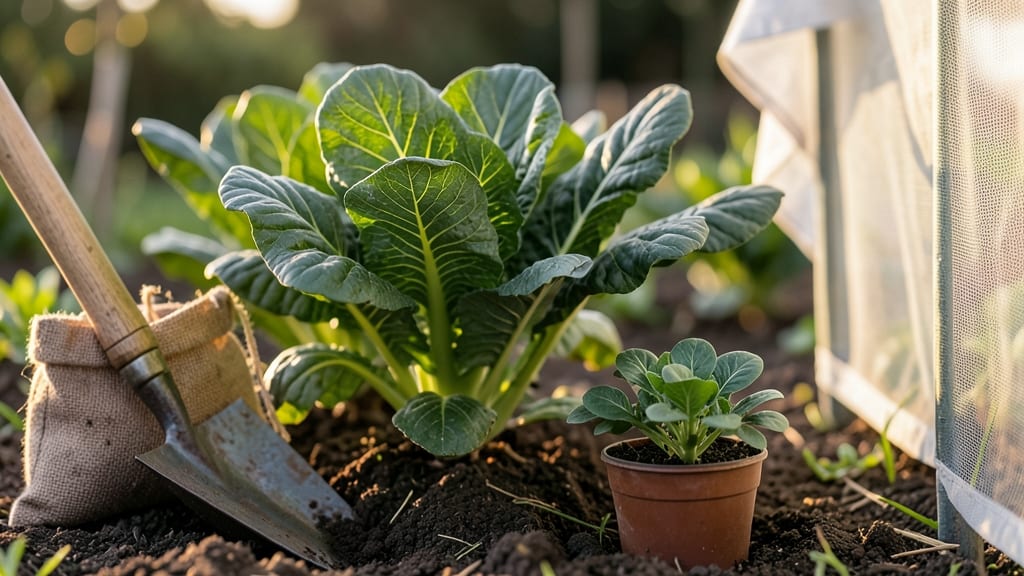
Planting collards in North Carolina at the wrong time can mean bitter greens or wasted effort—but get the timing right, and you’ll enjoy sweet, tender 🥬 leaves all season long.
The key lies in two perfect windows: early spring and late summer, when soil temperatures and daylight align just right for robust growth.
In North Carolina’s 7a-8b zones, spring planting starts as early as March in warmer coastal areas, while mountain regions wait until April to avoid late frosts. Fall planting kicks off in August, giving collards time to mature before the first frost hits in mid-November.
Why does this matter? Collards thrive when soil stays above 55°F, and planting too soon risks stunted growth or bolting. I’ll break down the exact months for your region—plus how to stretch your harvest with simple tricks like row covers.
Ready to grow collards that taste like they came from a Southern farmhouse? Let’s dive into the science-backed schedule that works for NC’s climate.
North Carolina collard planting calendar by USDA Zone: exact months for frost-free growth
North Carolina’s diverse climate zones (USDA 7b-8a) mean your collard planting schedule should align with local frost dates—not just a one-size-fits-all approach. In the Coastal Plain, like Wilmington, you might plant 2 weeks earlier than in the Mountains, like Asheville.
Understanding these microclimates is key to avoiding frost damage or premature bolting.
Collards thrive when soil temperatures hit 55°F+, a threshold most NC regions reach by mid-March in spring and early August for fall plantings. This timing ensures strong root establishment before summer heat or winter chills set in.
For transplants, aim for 4-6 weeks before last frost (typically March-April), while direct sowing works best in late spring when soil warms further.
Here’s how NC’s three main regions differ in their ideal planting windows, including first frost dates and harvest timelines to plan ahead:
| Region | USDA Zone | Spring Planting Window | Fall Planting Window | Last Frost Date | First Frost Date |
|---|---|---|---|---|---|
| Coastal Plain (e.g., Wilmington) | 8a | Late Feb–Early April | Late July–Early Sept | Mid-March | Late Nov |
| Piedmont (e.g., Raleigh) | 7b | Mid-March–Early April | Early Aug–Mid-Sept | Mid-April | Mid-Nov |
| Mountains (e.g., Asheville) | 7a | Early April–Mid-May | Mid-Aug–Early Sept | Late April | Early Nov |
For Coastal Plain gardeners, the longer growing season lets you squeeze in two harvests: one in late spring and another in fall. In contrast, Mountain regions focus on spring-only plantings due to earlier frosts.
Always check your local last frost date—tools like the NC State Extension’s frost calculator can adjust these windows by ±1 week for precision.
Pro tip: Start transplants indoors 4-6 weeks before your region’s last frost date. Use grow lights to mimic 14-hour daylight and harden off seedlings for 7-10 days before transplanting. This head start ensures your collards hit the ground running when soil warms.
In fall plantings, avoid seeding after mid-September in most of NC—collards need 60-90 days to mature, and late starts risk frost damage before harvest. Instead, opt for transplants in August for a late-October harvest, just before hard frosts sweeten the leaves.
If you’re in Zone 8a (like the Coastal Plain), you can push fall plantings into early October for a November harvest, but protect tender leaves with row covers if nighttime temps dip below 30°F. This extends your harvest window by 2-3 weeks compared to inland areas.
For succession planting, sow new seeds every 2-3 weeks from March through May to stagger harvests. This method ensures a continuous supply of collards, especially valuable in spring when demand peaks. Pair this with fall succession plantings in August for a double harvest strategy.
Remember: Soil temperature matters more than air temperature. Use a soil thermometer to confirm 55°F+ before planting—cold soil delays germination. In clay-heavy soils (common in Piedmont), amend with compost to improve drainage and warmth retention.
🌱
5 Critical factors that determine your collard planting success in North Carolina
Timing your collard planting isn’t just about months—it’s about soil conditions, microclimates, and seasonal adjustments unique to North Carolina. The Piedmont region (like Raleigh) has different frost risks than the Coastal Plain (e.g., Wilmington), so one-size-f’t planting won’t work.
Let’s break down the 5 game-changers that separate thriving collards from disappointing harvests.
First, soil temperature is non-negotiable. Collards won’t germinate well below 55°F soil, so wait until late March in the Mountains or early March in the Coastal Plain. Use a soil thermometer to confirm—don’t guess!
Cold soil delays growth, and you’ll lose precious weeks before harvest. Pro tip: Mix in compost to warm the soil faster.
Second, pH balance makes or breaks collard flavor and growth. North Carolina’s soil often leans acidic, but collards thrive in pH 6.0-7.0. Test your soil in fall (for spring planting) or early summer (for fall planting).
If it’s too low, amend with lime; if too high, add sulfur. Note: Coastal areas may need more frequent adjustments due to sandy soils.
Third, microclimates can shift your planting window by weeks. A south-facing slope in Asheville warms faster than a north-facing valley in Greensboro. Use windbreaks (like tall sunflowers or evergreen hedges) to protect young plants from Mountain winds, which dry out soil and stress collards.
In humid Coastal Plain areas, improve airflow to prevent fungal diseases like downy mildew.
Fourth, succession planting extends your harvest by 3-4 months. Instead of one big planting, sow seeds every 2-3 weeks from March to August.
This ensures a steady supply of tender leaves, especially for fall harvests. Example: Plant a batch in early March, another in late April, and a final one in early June for a continuous October-November harvest.
Finally, row covers or low tunnels let you cheat frost—literally. Use them to plant collards 4-6 weeks earlier in spring or 2-3 weeks later in fall.
In Zone 7b (e.g., Charlotte), this can add 20+ extra harvest days before winter sets in. Just remove covers when temps hit 80°F to avoid overheating.
Master these 5 factors, and you’ll turn North Carolina’s unpredictable frost patterns into a collard-growing advantage. Start with soil tests, then adjust for your microclimate—your taste buds (and dinner plate) will thank you. 🌱