
Plants
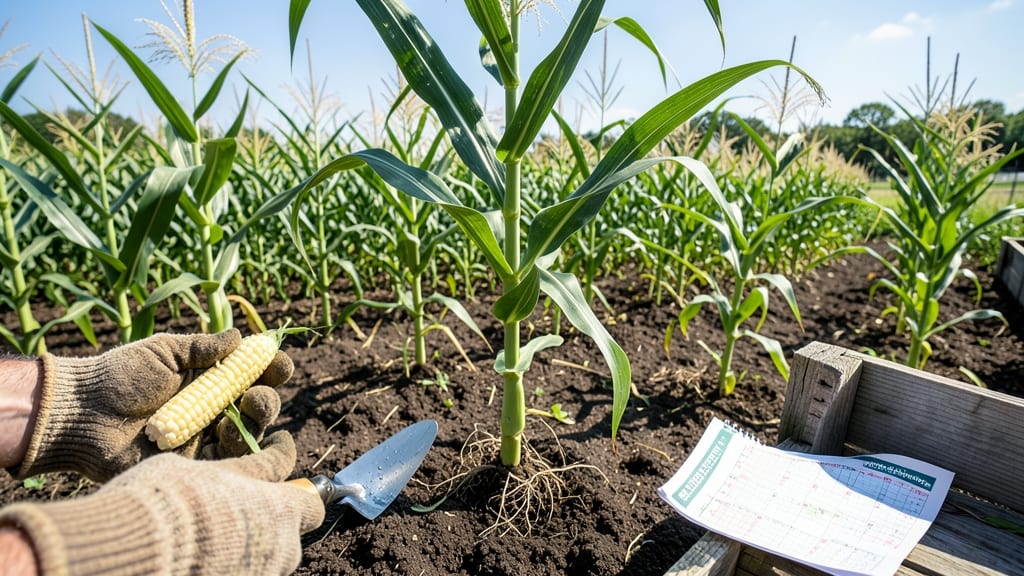
Planting corn in Georgia at the wrong time can mean the difference between a towering 🌽 harvest and a sad, stunted failure—and the clock starts ticking after that last frost in March.
With Georgia’s 7b-8b zones offering a long growing season, most gardeners assume they’ve got plenty of wiggle room, but timing matters more than you think.
If you wait too long, your corn might bolt in the heat or never fully mature before the first frost in November. Plant too early, and a late freeze could wipe out your seedlings before they even sprout.
The sweet spot? Mid-April to mid-May, when soil temps hit 60°F and the risk of frost has passed—but even then, regional differences in Georgia mean your neighbors’ planting schedule might not be right for you.
I’ll break down the exact windows for Georgia’s coastal, Piedmont, and mountain regions, plus how to adjust for early vs. late varieties. You’ll also learn how to use frost data and growing degree days to calculate your perfect planting date—no guesswork, just science-backed timing for a bumper crop.
Ready to grow corn that rivals the height of a basketball hoop? Let’s dive into the game-changer planting strategies that’ll have your garden thriving from July to October.
Best planting months for corn in Georgia by region and variety
Georgia’s diverse climate—from the humid Coastal Plain to the cooler Mountain region—means corn planting dates vary dramatically.
In the warmest zones (7b-8a), like Savannah or Brunswick, you can start as early as mid-March, while in the Piedmont (Athens, Macon) or North Georgia Mountains (Dahlonega, Blue Ridge), wait until late April to early May.
The key is planting when soil temperatures hit at least 50°F and stay above 60°F for consistent growth.
Corn thrives in Georgia’s 200-240 frost-free days, but early varieties (like ‘Silver Queen’) need 60-75 days to mature, while sweet corn (e.g., ‘Peaches and Cream’) takes 80-100 days.
Planting too early risks frost damage, while late plantings may not mature before the first frost in November. Let’s break it down by region to avoid these pitfalls.
🌽 Georgia Corn Planting Guide by Region
| Region | USDA Zone | Best Planting Window | Soil Temp Requirement | Recommended Varieties |
|---|---|---|---|---|
| Coastal Plain | 7b-8a | Mid-March to early April | 50°F+ (soil) | ‘Silver Queen’, ‘Peaches and Cream’, ‘Ambrosia’ |
| Piedmont | 7a-7b | Late April to mid-May | 60°F+ (soil) | ‘Bodacious’, ‘Kandy Korn’, ‘Golden Bantam’ |
| Mountains | 6b-7a | Early May to early June | 65°F+ (soil) | ‘Country Gentleman’, ‘Temptation’, ‘Early Sunglow’ |
Adjust dates 1-2 weeks earlier for early varieties or later for slow-growers.
For Coastal Georgia, where frost is rare, you can even try succession planting every 2 weeks from March through June to extend your harvest. In contrast, North Georgia’s shorter season demands faster-maturing varieties like ‘Early Sunglow’ (65 days) to avoid frost.
Always check the University of Georgia Extension’s frost maps for your exact location—even within the same county, microclimates can shift planting windows by 10 days or more.
Another critical factor is soil moisture. Georgia’s spring can bring unpredictable rains, while summer often turns dry. Plant in well-drained soil with 1-2 inches of organic matter to retain moisture without waterlogging. If your soil stays cool (below 50°F), corn seeds may rot—use a soil thermometer to confirm readiness.
Pro tip: Black plastic mulch warms soil faster and suppresses weeds, giving you a 2-week head start in cooler regions.
If you’re growing popcorn or field corn, opt for late-season varieties (like ‘Country Gentleman’) planted in May to maximize kernel development before frost. These varieties tolerate cooler nights better than sweet corn.
For drought-prone areas (common in the Piedmont), choose drought-tolerant hybrids like ‘Pioneer Brand 39F33’ and mulch heavily to conserve water.
Finally, avoid planting corn where tomatoes, peppers, or other nightshades grew last year—they share diseases like late blight. Rotate crops to legumes or grasses instead.
In Georgia, corn’s peak harvest runs from July to October, so plan your planting schedule to align with your family’s needs or market demands. For example, June plantings in Coastal Georgia can yield ears ready by September, perfect for fall festivals or holiday meals.
🌱 Pro Tip: Mark your calendar for June 1—this is the last safe date to plant sweet corn in most of Georgia for a late-summer harvest. After this, focus on succession planting or shorter-season varieties.
How to calculate your exact corn planting date using frost data and growing degree days
Georgia’s frost-free dates and growing degree days (GDD) are your secret weapons for pinpointing the perfect time to plant corn. Unlike generic advice, these science-backed methods account for your specific location—whether you’re in the Coastal Plain, Piedmont, or Mountains.
The University of Georgia’s AgClimate app makes this easy, but I’ll walk you through manual methods too.
First, check your last frost date. In Georgia, this typically falls between March 15 (coastal areas) and April 15 (mountain regions). Plant corn 2 weeks after this date to ensure no surprise frosts.
For example, if your last frost is April 1, aim for April 15–20. But here’s the catch: soil temperature must also be at least 60°F for seeds to germinate properly.
🌽 Growing Degree Days (GDD) Explained: Corn needs 1,000–1,500 GDDs to mature, depending on the variety. GDDs measure heat accumulation—think of it as "corn energy." Use this formula: (Daily High + Daily Low) ÷ 2 – 50°F = GDD. Track this daily until you hit your variety’s target. For early sweet corn, aim for 1,000 GDDs; for field corn, shoot for 1,500 GDDs.
Step-by-Step: Calculate Your Planting Date
- Step 1: Find your last frost date (use UGA’s frost map).
- Step 2: Wait 2 weeks after frost + ensure soil is 60°F+ (use a soil thermometer).
- Step 3: Pick your corn variety (e.g., ‘Silver Queen’ for 70 days, ‘Pioneer 39F53’ for 110 days).
- Step 4: Calculate GDDs needed (multiply days to maturity by 10–15 GDDs/day).
- Step 5: Plant when GDDs reach 100–200 (early heat kickstarts growth).
For example, if you’re in Athens (Zone 8a) planting ‘Peaches and Cream’ (85-day variety), start counting GDDs on April 15. By May 1, you’ll likely hit 200 GDDs, signaling it’s time to sow. Late plantings? Try succession planting every 2 weeks for a staggered harvest.
Don’t overlook microclimates. A south-facing slope warms faster than a north-facing valley, so adjust your timing accordingly. If you’re unsure, err on the later side—corn planted too early in cool soil risks rot or poor germination.
Use black plastic mulch to warm soil 5–10°F faster if needed.
Finally, bookmark UGA Extension’s corn planting guide for real-time updates. Their free frost and GDD tools save hours of guesswork. With this method, you’ll maximize yield and avoid the heartbreak of frost-nipped ears or underripe corn.