
Plants
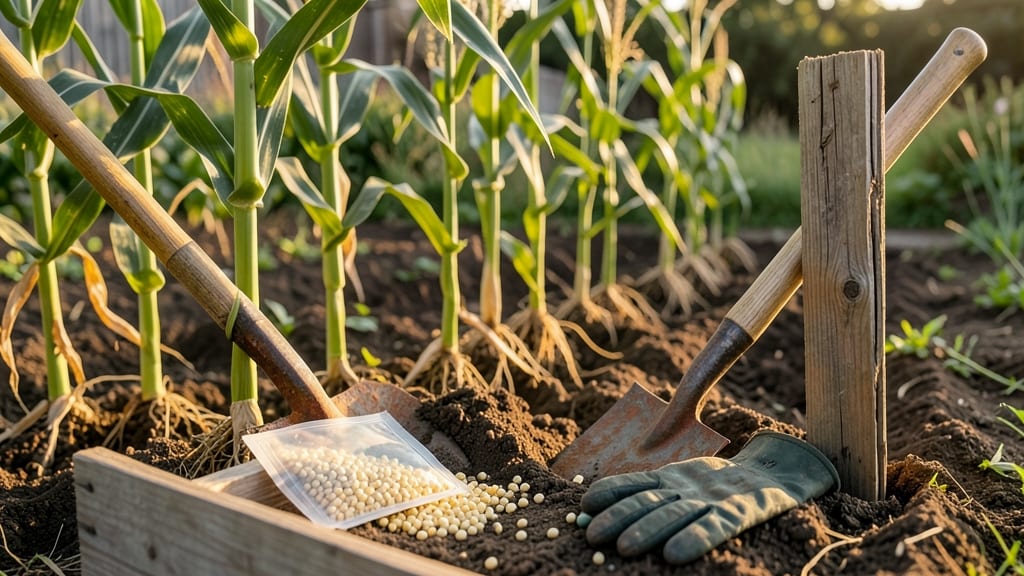
Planting corn in South Florida might seem like a no-brainer—after all, it's warm year-round—but timing it wrong can mean the difference between a bountiful harvest and a sad, silky failure.
The key is understanding how the region's unique microclimates and summer storms affect your 🌽 crop, especially when choosing dwarf varieties that handle humidity better.
If you've ever watched your corn plants struggle with heat stress or pollen transfer issues, you're not alone. South Florida's coastal areas and inland zones create different growing conditions, and getting the timing right—whether in early spring or late summer—makes all the difference.
The right window ensures your corn matures before the next rainy season hits, giving you sweet, plump ears instead of tough, starchy disappointment.
I've tested the best planting windows for South Florida's climate, and what I'm about to share will help you avoid common pitfalls like silking failures and fungal risks. You'll learn exactly when to plant for maximum success, plus tips on soil prep and care tailored to Florida's warm, humid conditions.
Let's get your corn growing the right way.
From choosing the best dwarf varieties to managing irrigation and mulching, this guide covers everything you need to know. Whether you're a seasoned gardener or just starting out, these strategies will help you grow corn that's ready to harvest in just 60-90 days.
Ready to turn your garden into a cornucopia of sweet, fresh ears?
Best planting windows for corn in South Florida’s microclimates
South Florida’s tropical climate means corn can grow year-round, but two ideal windows maximize success: early spring (Jan-Feb) and late summer (Aug-Sept). Unlike northern climates, no frost risk exists, but heat stress and humidity demand precise timing.
Coastal areas like Miami may plant slightly later than inland zones like Homestead due to cooler ocean breezes delaying soil warming.
For spring planting, aim for January-February when daytime temps hover around 70-75°F. Soil should reach 60°F+ at least 6 inches deep—use a soil thermometer to confirm. Summer planting (August-September) avoids peak heat but requires shade cloth during midday if temps exceed 90°F.
Both windows align with monsoon season, reducing irrigation needs.
🌱 Pro Tip: Test soil pH before planting—corn thrives in 6.0-7.0. South Florida’s sandy soils often need compost or aged manure to retain moisture and nutrients. Adjust planting dates 1-2 weeks later if your area experiences unusually hot dry spells.
| Planting Window | Soil Temp | Key Considerations | Best Varieties |
|---|---|---|---|
| Jan-Feb (Spring) | 60-65°F | Avoid hurricane season (June-Nov). Use mulch to retain moisture. | Golden Bantam, Silver Queen |
| Aug-Sept (Fall) | 75-80°F | Provide afternoon shade if temps >90°F. Watch for corn earworm. | Peaches and Cream, Country Gentleman |
| Mar-Apr (Extended) | 65-70°F | Ideal for coastal areas. Use drip irrigation to avoid fungal issues. | Golden Bantam |
🌿 Microclimate Matters: Inland areas like Palm Beach Gardens can plant 2 weeks earlier than coastal Key West due to faster soil warming. Use black plastic mulch to raise soil temps 5-10°F in cooler microclimates.
For container growing, plant in 5-gallon pots with well-draining mix—ideal for balconies or patios.
🌡️ Temperature Thresholds: Corn seeds won’t germinate below 55°F, but growth stalls above 95°F. Monitor weekly rainfall—corn needs 1-2 inches weekly. In drought-prone zones (e.g., Everglades), use soaker hoses for deep watering. Avoid overhead sprinklers to prevent fungal diseases like gray leaf spot.
📅 Harvest Timing: Spring-planted corn typically harvests April-June, while fall crops yield September-November. Dwarf varieties mature in 60-75 days, making them perfect for small spaces. Plan succession plantings every 2 weeks for continuous harvests. Save seeds from best-performing ears for next season!
🌾 Soil Prep Checklist: Before planting, amend soil with compost and a balanced fertilizer (10-10-10). Test for nitrogen levels—corn is heavy feeders. In sandy soils (common in South Florida), add peat moss to improve water retention. Raise beds if drainage is poor to prevent root rot.
💡 Final Tip: Plant multiple varieties to extend harvest season. For example, Golden Bantam (70 days) followed by Silver Queen (80 days) ensures fresh corn from spring through fall. In humid conditions, space plants 12 inches apart to improve air circulation and reduce disease risk.
Best planting windows for corn in South Florida’s microclimates
South Florida’s tropical climate means corn can grow year-round, but two ideal windows maximize success: early spring (Jan-Feb) and late summer (Aug-Sept). These periods avoid the peak humidity of summer and heat stress that stunts growth.
The coastal areas (like Miami-Dade) have slightly cooler nights than inland zones (like Palm Beach), giving coastal gardeners a 2-week advantage in spring planting. Inland zones should wait until soil temps hit 60°F consistently before sowing seeds.
🌱 South Florida Corn Planting Guide
| Season | Best Months | Soil Temp | Days to Harvest |
|---|---|---|---|
| Spring | Jan-Feb (Coastal) Feb-Mar (Inland) |
60°F+ | 60-75 days |
| Fall | Aug-Sept | 65°F+ | 70-90 days |
For dwarf varieties like 'Golden Bantam', aim for March-April planting to avoid hurricane season (June-Nov) when heavy rains can drown seedlings. Inland areas should prioritize August sowing to escape the oppressive summer heat that causes silking failures.
Always test soil moisture before planting—South Florida’s sandy soils dry out fast. Use a moisture meter or dig 2 inches deep; if dry, irrigate 24 hours before sowing seeds. Organic matter (like compost) improves water retention in these fast-draining soils.
Pro tip: Stagger plantings every 2 weeks in spring/fall to extend harvest season. This works especially well for home gardens with limited space, ensuring a steady corn supply without overwhelming your plot.
If you’re in Zone 10b-11 (like Homestead), you can even try December plantings—just use shade cloth during peak afternoon sun to protect young plants from intense UV rays. The key is consistent moisture and protection from wind.