
Plants
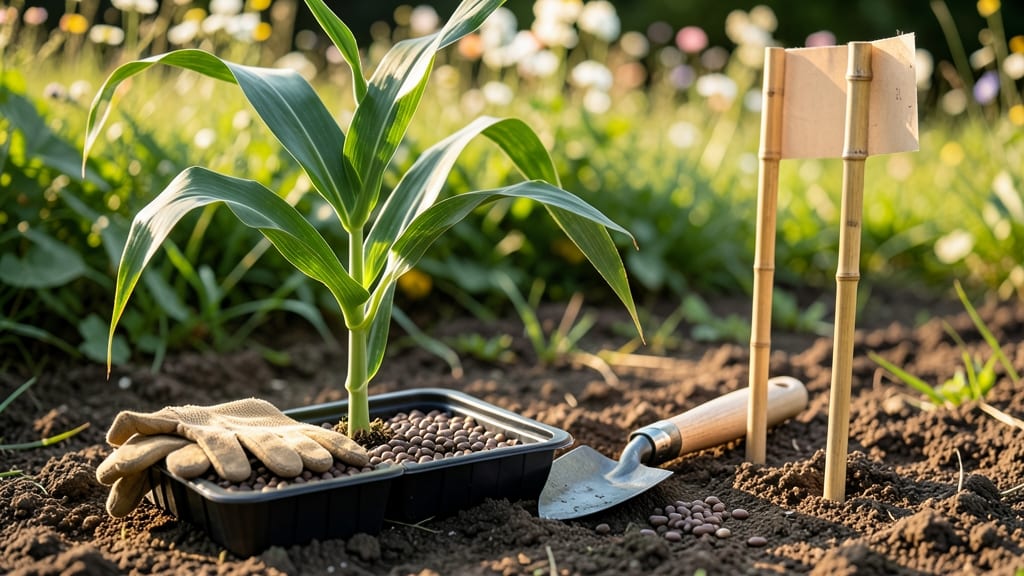
Planting corn in Zone 6b at the wrong time can turn your 🌽 dreams into disappointment—unless you know the soil temperature secrets that make all the difference.
Most gardeners focus on frost dates, but the real game-changer is waiting until the soil warms to at least 60°F, which typically happens after your last frost in mid-April.
Cold soil slows germination, leaving seeds vulnerable to rot or pests. That’s why timing matters more than you think—especially in Zone 6b, where spring can be unpredictable.
I’ll show you exactly how to check soil temps and adjust your planting schedule for fast germination, even if the calendar says it’s too early.
You’ll also discover which corn varieties handle late starts best, so you’re not stuck with a failed crop. Whether you’re a first-time gardener or a seasoned pro, these tricks will help you avoid common pitfalls and maximize your harvest from late July to early October.
Let’s get your corn off to the right start—because the best time to plant is now, but only if the soil is ready. I’ll walk you through every step to ensure your seeds sprout strong and healthy.
Optimal planting dates for Zone 6b corn based on soil temperature
Corn thrives when planted at the right time in Zone 6b, where unpredictable springs can turn a great harvest into a gamble. The key? Soil temperature—corn seeds need warmth to germinate, and planting too early in cold soil leads to rot or slow sprouting.
Aim for soil temps of 50°F+, with 60°F+ being ideal for fast germination.
In Zone 6b, the average last frost date falls around April 15, but don’t rush to plant just because frost is gone. Corn is sensitive to cold, and soil warms slower than air.
Wait until mid-April to early May—when soil consistently stays above 55°F—to ensure strong, healthy starts.
Here’s the golden rule: Plant corn when soil reaches 60°F. This usually aligns with late April to early May in most of Zone 6b, but check your local microclimate.
Urban areas warm faster than rural spots, and south-facing beds heat up earlier than north-facing ones. Use a soil thermometer to confirm—it’s the only way to avoid guesswork.
Corn also needs 90-120 frost-free days to mature. In Zone 6b, this means planting by mid-June at the latest for most varieties. Late plantings risk ears forming before the first frost in mid-October, so time it right to avoid disappointment.
Pro tip: Start seeds indoors 2-3 weeks before your target outdoor planting date if you’re worried about timing. Transplant seedlings when soil is warm enough, but avoid disturbing roots—corn has a delicate root system that hates transplant shock.
| Stage | Action | Soil Temp (°F) | Zone 6b Timeline |
|---|---|---|---|
| Pre-Planting Prep | Test soil pH (6.0-7.0 ideal) | N/A | Early April |
| Soil Warm-Up | Wait for 50°F+ soil | 50-55°F | Mid-April |
| Planting Window | Direct sow seeds 1-2" deep | 60°F+ | Late April–Early May |
| Germination | Sprouts in 7-14 days | 60-70°F | May |
| Harvest Ready | Silks brown, kernels milky | N/A | Late July–Oct |
If you’re planting early varieties (like 'Early Sunglow'), you can push the timeline to late March in protected microclimates, but cover seeds with row fabric to shield them from late frosts.
For sweet corn, aim for 75-90 days to maturity, so calculate backward from your first frost date.
One common mistake? Planting corn too close to frost. If you’re unsure, opt for short-season varieties (60-75 days) to extend your harvest window. For example, 'Peaches and Cream' matures in 72 days, giving you flexibility if spring drags on.
Remember: Corn loves heat, but it hates cold snaps. Even after germination, young plants can’t handle temps below 50°F. Use black plastic mulch or straw mulch to warm soil faster and retain moisture—this is especially helpful in Zone 6b’s cooler springs.
Finally, don’t forget succession planting! Sow a second crop 2-3 weeks after the first to stagger harvests. In Zone 6b, this means a late May planting for a summer harvest before fall sets in.
Optimal planting dates for Zone 6b corn based on soil temperature
Corn thrives when planted at the right time in Zone 6b, where soil temperature is just as critical as air temperature. Most gardeners focus on frost dates, but corn seeds need soil temps of 50°F or higher to germinate—any cooler, and you risk slow sprouts or rot.
In my experience, waiting for 60°F+ soil ensures fast, even germination and stronger plants.
For Zone 6b, aim to plant corn between mid-April and early May, but this varies slightly based on your exact location. For example, in western Zone 6b (like Denver), soil warms faster than in eastern areas (like Pittsburgh).
Always check local frost averages—most places see their last frost around April 15, but soil may not be ready until 2-3 weeks later.
🌱 Zone 6b Corn Planting Timeline
| Stage | Action | Soil Temp | Notes |
|---|---|---|---|
| Prep Soil | Add compost, till 6-8 inches deep | N/A | Do this in March for early planting |
| Test Soil | Use thermometer at 2" depth | 50°F+ | Morning readings are most accurate |
| Plant Seeds | 1-2" deep, 4-6" apart | 60°F+ | Wait until after last frost |
| Germination | Sprouts in 7-14 days | 65°F+ | Keep soil moist but not soggy |
| Thin Seedlings | 12" apart when 3-4" tall | N/A | Do this in late May |
If you plant too early—say, in late March—your seeds may rot in cold soil. I’ve seen this happen when gardeners rush to beat the frost. Instead, use a soil thermometer to confirm temps.
For Zone 6b, mid-April is a safer bet for most areas, but if your soil warms faster (like in southern Zone 6b), you might plant by late March.
For late plantings, choose short-season varieties (like 'Silver Queen') that mature in 75-90 days. These can still produce ears if planted by early June, though yields may be smaller.
The key is ensuring your corn has at least 90 days of warm weather before the first frost—most of Zone 6b averages 165 frost-free days, so timing is flexible but not endless.
Pro tip: Plant succession crops every 2 weeks until mid-June to extend your harvest. This way, you’ll have fresh ears from late July through September. Just remember—soil temperature is your best guide, not just the calendar.
One mistake I see often is planting corn too deeply to "protect" seeds from cold. But burying seeds more than 2 inches can delay germination. Stick to 1-2 inches deep and cover with mulch to retain heat once sprouts appear.