
Plants
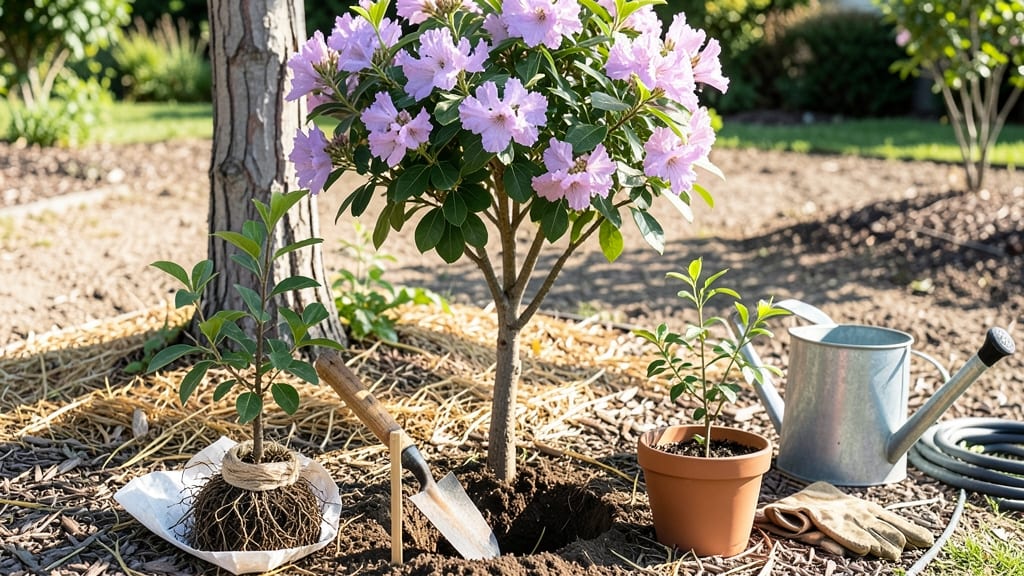
Planting your crape myrtle 🌸 at the wrong time in Virginia could mean struggling with weak roots or even losing your tree before it ever blooms.
The key to vibrant, long-lasting growth starts with understanding the perfect window—when soil warms up enough to support strong root development but before summer’s brutal heat sets in.
Most Virginia gardeners get this timing right by planting between late February and early April, just as the last frost threatens but before the ground gets too hot.
This 6a-8a zone advantage means you’ve got flexibility, but inland areas like the Piedmont should aim for early spring, while coastal regions can stretch into May without risking heat stress.
Why does this matter? Because crape myrtles planted too early face frost damage, while those planted too late struggle to establish roots before summer drought hits.
I’ll break down exactly how to adjust for your specific Virginia microclimate—whether you’re in Richmond, Norfolk, or the Shenandoah Valley—to give your tree the best possible start.
Ready to avoid common mistakes and ensure your crape myrtle thrives? Let’s dive into the science-backed planting schedule that’ll have your tree bursting with color in just a few seasons.
Best months to plant crape myrtles in Virginia for maximum root establishment
Virginia gardeners know crape myrtles (Lagerstroemia) thrive in USDA zones 6-8, but timing your planting is the secret to strong root systems and vibrant blooms. The ideal window spans from late winter to early spring, aligning with soil warming and reduced frost risk.
Planting too early exposes young roots to late frosts, while late-summer planting stresses plants before winter dormancy.
For most of Virginia, March and April are the golden months—when soil temperatures hit 50-60°F and last frost dates have passed. Coastal regions (like Norfolk) can start as early as February, while mountainous areas (like Roanoke) may wait until mid-April.
Always check your local extension service for precise frost data.
Here’s why spring planting wins: cooler air temperatures reduce transplant shock, and 6-8 weeks of growth before summer heat builds resilience. Fall planting is possible in late September to early October, but only if you’re in Zone 7b+ with mild winters.
Younger trees need time to establish roots before first frost arrives.
Mistake alert: Avoid planting in late summer (August-September). The combination of heat and humidity stresses crape myrtles, while fall rains can drown shallow roots. If you miss spring, wait until next year—patience pays off for these long-lived beauties.
Before you dig, test your soil’s pH (6.0-7.0) and drainage. Crape myrtles hate soggy feet, so amend heavy clay with compost or sand. A well-draining hole twice as wide as the root ball ensures roots spread freely. Mulch lightly (2-3 inches) to retain moisture without suffocating roots.
| Planting Window | Soil Temp (°F) | Key Considerations | Best For |
|---|---|---|---|
| Late Winter (Feb) | 40-50°F | Coastal VA only; minimal frost risk | Zone 7b-8a |
| Early Spring (Mar-Apr) | 50-60°F | Post-last-frost; ideal root growth | All VA zones |
| Late Fall (Sep-Oct) | 60-65°F | 6+ weeks before first frost; Zone 7b+ only | Coastal Piedmont |
| Avoid: Summer (Jun-Aug) | 70°F+ | Heat stress; fungal risks | Never recommended |
Container-grown crape myrtles adapt better to transplanting year-round in Virginia, but spring still offers the best establishment rate. If you’re planting bare-root trees, soak roots for 1-2 hours before planting to revive them. For potted plants, water thoroughly the day before to reduce shock.
After planting, deep water weekly for the first 4-6 weeks to encourage root spread. Crape myrtles are drought-tolerant once established, but young trees need consistent moisture. Morning watering prevents fungal diseases like powdery mildew, which thrives in evening dampness.
Pro tip: Stake tall varieties (10+ ft) temporarily to prevent wind rock, but remove stakes after 6-8 weeks to avoid girdling roots. Prune only to remove dead wood in early spring—never shape young trees, as this stresses them.
Your crape myrtle’s first year sets the stage for decades of blooms. By planting in the right window and giving roots the time to establish, you’ll enjoy showstopping summer flowers and stunning fall foliage for years to come. 🌸
Best months to plant crape myrtles in Virginia for maximum root establishment
Virginia’s USDA zones 6-8 create perfect conditions for crape myrtles, but timing your planting is critical. The ideal window spans from late winter through early spring, when soil temperatures hover between 50°F and 65°F.
This range allows roots to establish before summer heat arrives, ensuring your tree thrives for decades.
Most Virginia gardeners plant crape myrtles between February and April, but the exact timing depends on your region’s last frost date. For example, coastal areas like Norfolk may see frost as late as March 15, while inland zones like Roanoke typically frost by March 1.
Always aim to plant 4-6 weeks before your area’s average last frost.
Here’s how Virginia’s climate zones break down for optimal planting:
| Planting Window | USDA Zone | Soil Temp | Key Consideration |
|---|---|---|---|
| Late February - Early March | 7b-8a (Coastal) | 55°F-65°F | Higher humidity; watch for fungal risks |
| Mid-March - Mid-April | 6b-7a (Piedmont) | 50°F-60°F | Moderate frost risk; mulch heavily |
| April (after last frost) | 6a-6b (Mountains) | 45°F-55°F | Cooler soils; extend growing season |
Avoid planting crape myrtles in late summer or fall, as this gives roots little time to harden off before winter. If you miss the spring window, your only safe alternative is early fall (September), but only in Virginia’s southern zones (7b+).
In colder regions, fall planting risks frost damage before roots establish.
For container-grown crape myrtles, you can plant up to 6 weeks later than bare-root varieties, as their roots are already established. However, always amend the soil with compost and organic matter to improve drainage—a critical factor in Virginia’s heavy clay soils.
This step reduces the risk of root rot and promotes faster growth.
After planting, maintain consistent moisture for the first 30 days, even if Virginia’s spring showers seem plentiful. Deep watering 2-3 times per week encourages root expansion into the surrounding soil. Once established, crape myrtles become drought-tolerant, but proper early care sets the stage for vibrant blooms for years to come.
Remember: The earlier you plant in Virginia’s spring window, the more time your crape myrtle has to establish before summer’s heat. This head start translates to healthier trees and longer bloom seasons—making your effort well worth it.