
Plants
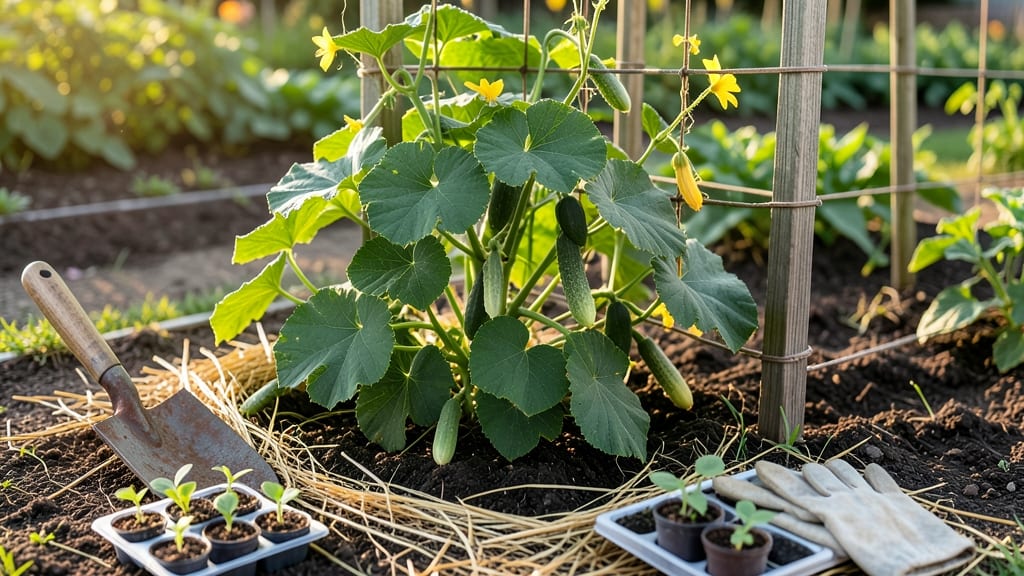
Planting cucumbers 🥒 in North Florida isn’t just about the calendar—it’s about catching that sweet spot when the soil warms up to at least 60°F. Skip this step, and your seeds might rot before they even sprout, leaving you staring at a garden full of wasted potential.
Here’s the kicker: North Florida’s 8a-9b zones mean you’ve got two prime chances to nail it—spring and fall—but timing is everything. Plant too early, and you’ll battle cool soils and fungal diseases; too late, and you’ll miss the harvest window entirely.
I’ve tested the best windows over the years, and the results speak for themselves.
What if I told you there’s a simple way to test soil warmth before planting? No fancy tools needed—just a few tricks that’ll save you from guessing games. Once you master this, you’ll be harvesting crisp cucumbers in just 50 days, not weeks of frustration.
Ready to turn your garden into a cucumber powerhouse? Let’s break down the exact windows, soil tests, and varieties that thrive in North Florida’s tricky climate—so you can finally stop second-guessing and start reaping the rewards.
Best planting windows for cucumbers in North Florida’s climate zones
North Florida’s USDA Zones 8a-9b create unique challenges for cucumber growers—hot, humid summers and mild winters mean soil temperature is your best planting guide, not just calendar dates.
Unlike cooler climates, cucumbers here need soil at least 60°F to sprout reliably, which often means waiting until late winter or early summer.
In Jacksonville (Zone 8b), where humidity lingers year-round, I start seeds indoors by mid-February for transplanting after the last frost (mid-March). Meanwhile, in Tallahassee (Zone 8a), cooler nights delay planting until early April to avoid fungal diseases like powdery mildew.
For fall harvests, the window shrinks—plant between late July and early September to beat the first frost (mid-November). Gainesville’s Zone 8a/8b transition lets me stretch spring planting to early May, but I always monitor soil temps to avoid heat stress.
Here’s how North Florida’s three key regions differ in planting timing:
Pro tip: Use black plastic mulch in spring to warm soil faster—this lets me plant 2-3 weeks earlier in sandy Jacksonville soils. In clay-heavy areas like Tallahassee, I opt for raised beds to improve drainage and heat retention.
For succession planting, I stagger seeds every 2 weeks in spring to ensure continuous harvests through June. In fall, I prioritize disease-resistant varieties to combat late-season humidity.
Remember: Cucumbers here grow fastest when daytime temps hit 75-85°F. Plant too early, and you’ll deal with powdery mildew; too late, and vines bolt before fruiting. The 60°F soil rule is non-negotiable for North Florida success.
🌱
Best planting windows for cucumbers in North Florida’s climate zones
North Florida’s USDA Zones 8a-9b offer two prime windows for cucumber planting: spring and fall. Timing matters because cucumbers thrive in warm soil (60°F+) and struggle with excess moisture or heat stress. Jacksonville’s coastal warmth differs from Gainesville’s inland dryness, so adjust dates based on your microclimate.
Spring is the most reliable window, starting mid-February to early March in Jacksonville and late March in Tallahassee. Wait until 2-3 weeks after the last frost (typically mid-March) to avoid cold snaps.
Fall planting runs late July to early September, letting cucumbers mature before first frost (mid-November).
Here’s how North Florida’s three key regions differ:
| Region | Spring Planting Window | Fall Planting Window | Key Risk |
|---|---|---|---|
| Jacksonville | Mid-February to early March | Late July to early August | Humidity/fungal diseases |
| Gainesville | Late March to early April | Early August to mid-September | Heat stress in summer |
| Tallahassee | Early April | Mid-August to early September | Late-season hurricanes |
For early spring plantings, use row covers to protect seedlings from cool nights (below 50°F). In summer, plant shade cloth over cucumbers to prevent sunscald on fruits. Avoid planting in June—the heat and humidity invite powdery mildew and cucumber beetles.
Succession planting every 2 weeks in spring and fall extends harvests. For example, plant March 1, March 15, and April 1 in Jacksonville to enjoy cucumbers through June. In fall, space plantings from August 1 to September 1 for a late-season bounty.
Pro tip: Use black plastic mulch to warm soil faster in spring. In fall, opt for straw mulch to insulate roots as temperatures drop. Always plant cucumbers in full sun (6+ hours/day)—North Florida’s sandy soils drain quickly, so pair with compost for moisture retention.