
Plants
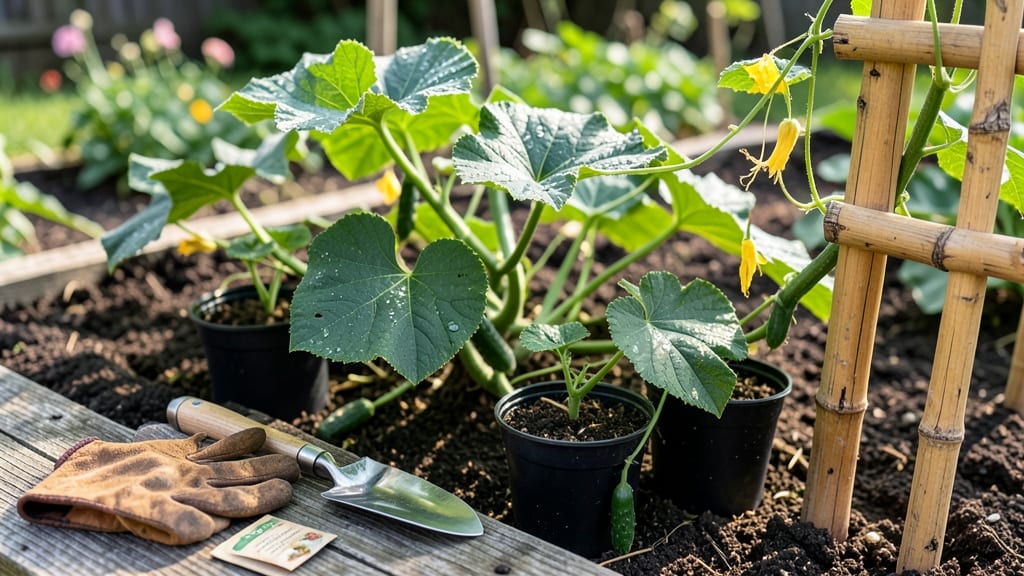
Planting cucumbers 🥒 at the wrong time in Zone 6 can turn your garden dreams into a sad pile of wilted vines—but get the timing right, and you'll be feasting on crisp, homegrown cukes by late June.
Most gardeners in Zone 6a make the mistake of rushing cucumbers into cold soil, only to watch their seedlings struggle or rot. The key? Waiting until after the last frost date (around mid-April) and ensuring soil temperatures hit at least 60°F—that's when roots wake up and grow strong.
In this guide, I'll walk you through the exact planting windows for your favorite varieties, whether you're direct-sowing seeds or transplanting seedlings. You'll also discover how to prep your soil for success and spot the first signs of trouble before they derail your harvest.
Ready to turn your Zone 6 garden into a cucumber powerhouse? Let's dive into the timing secrets that'll have you harvesting all summer long.
Zone 6 cucumber planting timeline: frost dates, soil warmth & variety-specific windows
Cucumbers in Zone 6 thrive when planted after the last frost—typically between mid-April and early May—but timing depends on two critical factors: soil temperature and your chosen cucumber variety. Unlike frost-hardy veggies, cucumbers demand warm soil (50°F+) to germinate properly.
Plant too early, and you’ll risk stunted roots or poor germination; too late, and you’ll miss the peak harvest window (late June–September).
Most Zone 6 gardeners wait until 2–3 weeks after the last frost to plant cucumbers, but this varies by microclimate. For example, higher elevations in Zone 6a may need to wait until May 1, while lower elevations can start as early as April 20.
Always check your local USDA frost map and confirm soil temps with a soil thermometer—cucumbers won’t sprout until the ground reaches 60°F.
Here’s the key difference between bush cucumbers (compact, like 'Bush Champion') and vining cucumbers (long-runners, like 'Straight Eight'): bush types tolerate cooler soil slightly better and can be planted 1 week earlier than vining varieties.
If you’re short on space, opt for bush cucumbers—they mature faster and produce fruit sooner, giving you an edge in shorter Zone 6 growing seasons.
| Planting Window | Soil Temp Requirement | Best Varieties for Zone 6 | Key Risks if Planted Too Early/Late | Pro Tip for Success |
|---|---|---|---|---|
| Early Varieties (April 20–May 5) | 50–55°F (use black plastic mulch) | 'Early Green Cluster', 'Diva' | Slow growth, poor germination | Cover seeds with row fabric until soil warms |
| Standard Varieties (May 5–May 15) | 60°F+ (ideal for most seeds) | 'Straight Eight', 'Marketmore' | Missed peak harvest, smaller fruit | Plant after Memorial Day for best results |
| Late Varieties (May 15–June 1) | 65°F+ (for heat-loving types) | 'Corinto', 'Armenian' (long season) | Fungal diseases, stunted vines | Use trellises to improve airflow |
If you’re starting cucumbers indoors (a common strategy for Zone 6’s shorter season), begin seeds 3–4 weeks before your last frost date in biodegradable pots. Transplant seedlings outdoors after soil warms to 60°F, hardening them off first to avoid transplant shock.
For direct sowing, scatter seeds ½ inch deep in hills (3–4 seeds per mound), spacing hills 3–6 feet apart depending on the variety’s growth habit.
Pro tip: Extend your cucumber season in Zone 6 by planting a second crop in late July for a fall harvest. Choose heat-tolerant varieties like 'Lemon Cucumber' and use row covers to protect against early frosts.
Just remember—cucumbers need at least 60 days of warm weather to mature, so don’t push your luck past August 15 for new plantings.
One of the biggest mistakes Zone 6 gardeners make is ignoring soil warmth in favor of air temperature. A 50°F soil can feel warm to the touch but still block cucumber germination.
Use a soil thermometer to confirm readiness—if it’s below 60°F, wait or use black plastic mulch to accelerate warming. This simple tool can save you from weeks of frustration with slow or failed sprouts.
For container growing in Zone 6, select bush varieties like 'Spacemaster' and plant in 5-gallon pots filled with well-draining potting mix. Place containers in full sun and move them indoors if nighttime temps drop below 55°F.
Containers warm up faster than garden soil, so you can often plant 1–2 weeks earlier than in-ground cucumbers.
Finally, don’t overlook succession planting: cucumbers produce heavily for 4–6 weeks before slowing down. To keep the harvest going, sow new seeds every 2 weeks from May through July.
This ensures you’re always picking fresh cucumbers while the plant’s energy isn’t drained by overripe fruit. Just be sure to harvest regularly—overripe cucumbers signal the plant to stop producing!
🌱
How to prepare Zone 6 soil for cucumbers: pH, fertility & warmth-triggers
Cucumbers thrive when the soil is warm, fertile, and well-draining—but in Zone 6, cool springs can delay planting. The key to success? Preparing your soil 4–6 weeks before your target planting date. This gives microbes time to break down amendments and lets sunlight warm the earth faster.
I’ve learned that black plastic mulch can raise soil temps by 10–15°F, turning a chilly April into cucumber-friendly territory.
Start by testing your soil pH—cucumbers prefer a range of 6.0–6.8. If your soil is too acidic (below 6.0), add pelletized lime 2–3 months before planting. For alkaline soil (above 6.8), work in elemental sulfur in early spring.
My go-to method? A simple DIY pH test kit (or send a sample to your local extension office for precise results).
Next, focus on organic matter. Cucumbers are heavy feeders, so amend your soil with 2–3 inches of compost or well-rotted manure. For sandy soil, mix in peat moss to retain moisture; for clay soil, blend in coarse sand or perlite to improve drainage.
Pro tip: Avoid fresh manure—it can burn seedlings due to high ammonia levels. Instead, use aged compost or worm castings for a gentle nutrient boost.
🌱 Visual Element: Checklist 🌱
Don’t overlook soil warmth—cucumbers won’t germinate well below 50°F. To speed things up, use row covers or clear plastic tunnels to trap heat. I’ve had success with straw mulch over black plastic: it warms the soil during the day and retains moisture at night.
Another trick? Plant warm-season companions like bush beans nearby—their deep roots aerate the soil while their foliage shades it, keeping temps stable.
When it’s time to plant, direct-sow seeds are my preferred method in Zone 6. They germinate faster than seedlings and handle transplant shock better. If you’re starting indoors, wait until soil temps hit 60°F before moving plants outside.
Harden them off for 7–10 days by gradually exposing them to outdoor conditions. For container gardening, use large pots (5+ gallons) with drainage holes—cucumbers hate soggy roots.
Finally, avoid over-fertilizing with nitrogen. Too much greenery means fewer cucumbers! Instead, use a balanced fertilizer (10-10-10) at planting and again when flowers appear. My secret? A side-dressing of compost tea mid-season gives a gentle nutrient boost without burning plants.
Water deeply once a week after planting to encourage root growth, then increase to 1–2 inches per week during fruiting.
With the right soil prep, your Zone 6 cucumbers will be off to a flying start—ready to climb, vine, and produce by late June. The effort upfront pays off in juicy, homegrown harvests all summer long. 🥒