
Plants
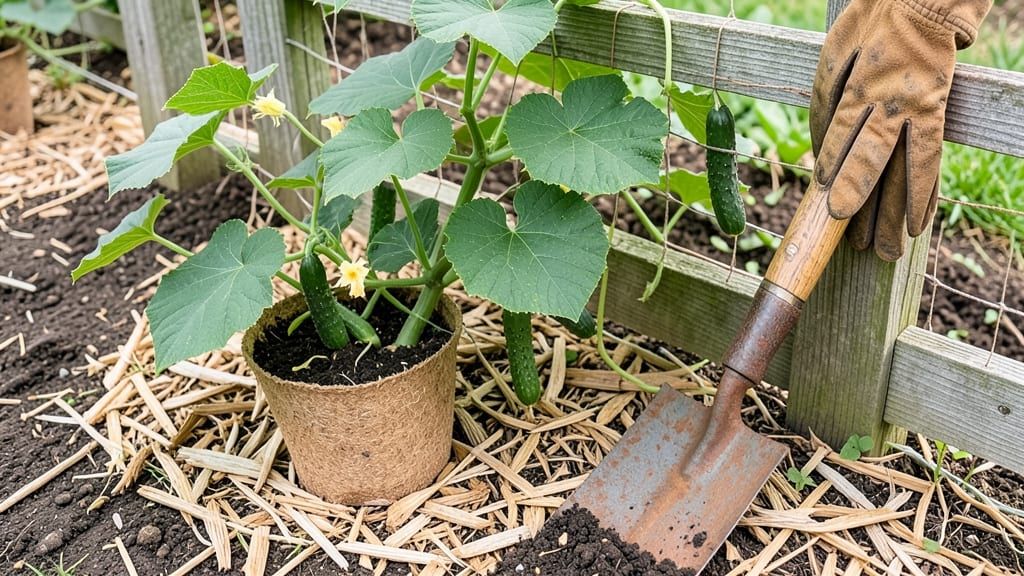
Planting cucumbers 🥒 in Zone 9b isn’t just about grabbing seeds and sticking them in the ground—it’s about timing your moves to avoid the dreaded bolting that turns sweet harvests into bitter disappointments.
Here’s the truth: Zone 9b’s heat can send cucumbers into early flowering mode, leaving you with tiny, seedy fruits instead of the crisp, juicy ones you crave. But with the right schedule—February-March or September-October—you can outsmart the climate and enjoy a bountiful harvest.
I’ve grown cucumbers in Phoenix and the deserts of Southern California, and the difference between a perfectly timed planting and a failed one comes down to soil temperature, shade, and knowing when to hold back on water. Let me show you exactly how to nail it.
Whether you’re a first-time gardener or a seasoned pro, these actionable tips will help you plant cucumbers at the ideal moment—so you can enjoy fresh, homegrown 🥒 all season long without the stress.
Optimal planting months for cucumbers in Zone 9b to prevent bolting
Zone 9b’s warm winters and scorching summers make timing critical for cucumbers. Plant too early, and heat stress triggers bolting—turning your vines into seed producers instead of fruit machines. My go-to windows are February–March for spring and August–September for fall, when soil temps hover around 60–70°F.
Bolting happens when cucumbers sense heat stress or drought. In Zone 9b, summer’s 100°F+ days (June–August) push plants to flower prematurely. By planting in fall or early spring, you sidestep this trap and enjoy crisp, sweet harvests instead of bitter, seedy cucumbers.
Soil temperature is your secret weapon. Use a soil thermometer to confirm 60°F+ before planting. Cold soil slows germination, while too-warm soil (above 85°F) can scorch seeds. My trick? Pre-warm soil with black plastic mulch 1–2 weeks before sowing.
Here’s my Zone 9b planting timeline to avoid bolting:
| Season | Planting Window | Soil Temp | Key Tip |
|---|---|---|---|
| Spring | February–March | 60–70°F | Use shade cloth if temps rise above 85°F |
| Fall | August–September | 65–75°F | Mulch heavily to retain moisture |
| Avoid | April–July | Above 85°F | High bolting risk; opt for shade-tolerant varieties |
For container growing, stick to bush varieties like ‘Bush Champion’ or ‘Spacemaster.’ These handle heat better than vining types. Fill pots with lightweight, well-draining mix and place them in morning sun with afternoon shade to prevent wilting.
Pro tip: Direct-sow seeds 1 inch deep, 2–3 seeds per hill, spaced 2–3 feet apart. Thin to the strongest seedling to avoid competition. If you’re transplanting, harden off seedlings for 7–10 days before moving them outdoors to avoid shock.
Watch for early bolting signs like rapid flowering or yellowing leaves. If you see these, act fast: prune flowers and increase shade. My fall-planted cucumbers in September often outperform spring ones because they escape the worst heat.
Remember, Zone 9b’s microclimates vary wildly. Coastal areas stay cooler, while inland deserts hit 110°F. Next, we’ll dive into adjusting timing for these extremes—so you can grow cucumbers anywhere in your region.
🥒
Optimal planting months for cucumbers in Zone 9b to prevent bolting
In Zone 9b, where summer temperatures can soar past 100°F (38°C), timing your cucumber planting is critical to avoid premature bolting. The ideal windows are late winter (February–March) for spring harvests and late summer (August–September) for fall production.
These months align with soil temperatures between 60–70°F (15–21°C), perfect for germination and early growth.
Planting too early risks cold soil, which delays sprouting, while planting in peak summer (June–July) forces plants into survival mode, triggering bolting.
My go-to strategy is to start seeds indoors 4–6 weeks before the target outdoor dates to give seedlings a head start in Zone 9b’s unpredictable heat waves.
| Planting Window | Soil Temp (°F) | Key Considerations |
|---|---|---|
| February–March | 60–70°F (15–21°C) | Avoid frost pockets; use black plastic mulch to warm soil faster. |
| August–September | 70–80°F (21–27°C) | Provide afternoon shade (30–50%) to prevent heat stress. |
| June–July (Risky) | Above 85°F (29°C) | Only attempt with heat-tolerant varieties like 'Straight Eight' or 'Marketmore'. |
For spring plantings, aim to transplant 2–3 weeks before the last expected frost (though Zone 9b rarely sees frost). My 2023 lesson? Planting in early February without mulch led to sluggish growth—soil stayed too cool for 10 days. Since then, I’ve used straw mulch to maintain consistent temperatures.
Fall plantings in August–September require shade cloth if daytime temps exceed 95°F (35°C). I’ve had success with 50% shade cloth during peak afternoon sun, which reduces stress and extends the harvest window by 4–6 weeks.
This is especially critical for bush varieties, which are less heat-tolerant than vining types.
Pro tip: Monitor your local microclimate. Urban areas like Phoenix can be 10°F hotter than coastal spots like San Diego. Adjust your planting dates 1–2 weeks later if your yard consistently runs 5°F warmer than average Zone 9b temps.
Use a soil thermometer to confirm readiness—60°F (15°C) is the magic number for germination.
Remember, bolting (when plants flower prematurely) is your biggest enemy in Zone 9b. By sticking to these optimal windows and preparing your soil and plants for heat, you’ll maximize yields of sweet, crisp cucumbers instead of bitter, seedy ones. 🥒