
Plants
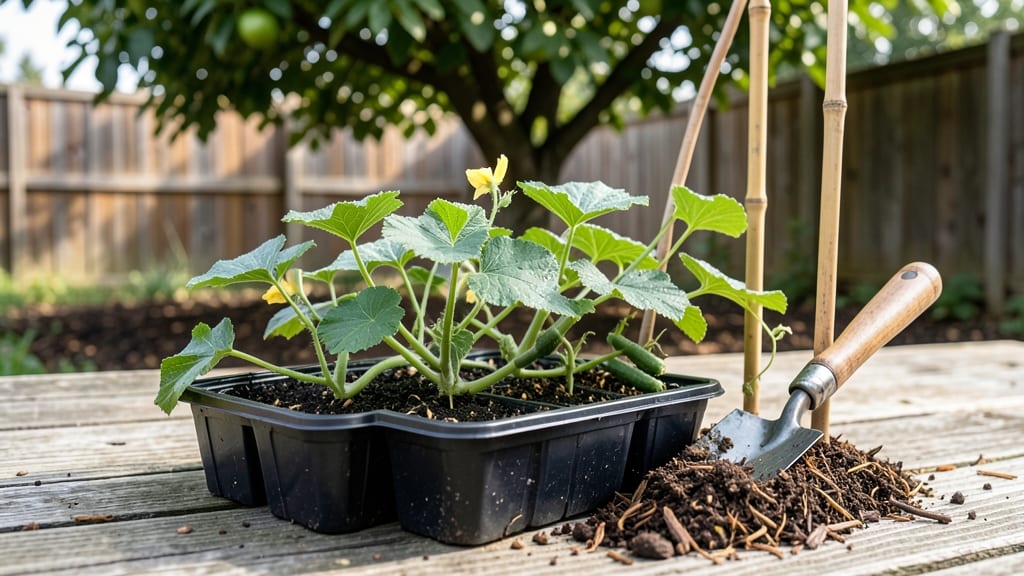
Timing your cucumber planting in Zone 6a can make or break your harvest—get it wrong, and you'll be left with wilted vines or frost-nipped seedlings before summer even kicks in. 🥒
In Zone 6a (think Ohio or the Midwest), the average last frost hits around mid-April, but rushing to plant cucumbers too early is a recipe for disaster.
These heat-loving plants won’t thrive until the soil warms to at least 60°F—and waiting for that sweet spot means the difference between a thriving patch and a sad, stunted garden.
I’ve learned the hard way that patience pays off when it comes to cucumbers. Whether you’re direct-sowing seeds or transplanting seedlings, knowing the exact window for planting in Zone 6a will help you avoid common pitfalls like black mold or slow growth.
Let’s break down the perfect timing and soil prep so you can start harvesting crisp, homegrown cucumbers by July.
From extending your season with row covers to choosing the right varieties for shorter growing days, I’ll share the exact steps I use to maximize my cucumber yield—no guesswork, just proven results for Zone 6a gardens.
Zone 6A cucumber planting dates based on last frost & soil temperature
Getting your cucumbers in the ground at the right time in Zone 6A is everything—miss the window, and you risk frost damage or slow growth. The last frost date for most Zone 6A regions (think Ohio, Michigan, or Indiana) typically falls between mid-April and early May, but don’t rush!
Cucumbers are heat-loving plants that need both warm soil and consistent temperatures above 55°F to thrive.
I’ve learned the hard way that planting too early—even if the frost is gone—can lead to stunted seedlings or worse, rot in cold soil. The key is waiting until the soil temperature hits at least 60°F (15°C) and the air stays reliably above 55°F (13°C) at night.
Use a soil thermometer to check—it’s the only way to be sure.
For direct sowing (planting seeds straight into the garden), aim for 2-3 weeks after your last frost date. If you’re transplanting seedlings, start them indoors 3-4 weeks before your target outdoor date.
This gives them a head start and ensures they’re sturdy enough to handle the Zone 6A heat once planted.
Here’s a quick rule of thumb: If you’re in northern Zone 6A (closer to the Canadian border), wait until late May to plant. In southern Zone 6A (near the Ohio River Valley), you can start as early as mid-April.
Always check your local USDA frost maps or ask your local Cooperative Extension office for precise dates—they’re your best friends for Zone 6A gardening.
| Planting Stage | Ideal Timeframe | Soil Temp Requirement | Zone 6A Notes |
|---|---|---|---|
| Start Seeds Indoors | 3-4 weeks before last frost | N/A (use grow lights) | Hardens seedlings for transplant |
| Direct Sow Outdoors | 2-3 weeks after last frost | 60°F+ (15°C+) | Wait for warm soil; use black plastic mulch to heat soil faster |
| Transplant Seedlings | After last frost, when soil is 60°F+ | 60°F+ (15°C+) | Avoid transplant shock with shade cloth for first 3 days |
| Succession Planting | Every 2 weeks until July | 60°F+ (15°C+) | Extends harvest; use fast-maturing varieties |
One mistake I see Zone 6A gardeners make is planting cucumbers too early to "beat the heat." But cucumbers won’t germinate in cold soil, and even if they do, they’ll grow slowly and be vulnerable to disease.
Instead, focus on soil prep early in the season. Amend your soil with compost or aged manure in early spring to improve drainage and fertility—cucumbers are heavy feeders and need rich soil to produce well.
If you’re worried about late frosts (which can still sneak up in Zone 6A), use row covers or cold frames to protect young plants. I’ve had success with floating row covers anchored with bricks or stakes—they let sunlight through while shielding plants from unexpected chilly nights.
Just remember to remove them when flowers appear to allow bee pollination.
For bush varieties (like ‘Bush Champion’), you can plant slightly earlier than vining types since they mature faster. But for vining cucumbers (like ‘Straight Eight’), wait until the soil is thoroughly warmed—they need that heat to climb and produce.
Pro tip: Black plastic mulch can raise soil temperatures by 5-10°F, giving you an earlier start.
Don’t forget that Zone 6A’s growing season is short—only about 165 frost-free days on average. That’s why choosing fast-maturing varieties (50-60 days to harvest) is critical. If you plant too late, you’ll miss your window entirely.
Mark your calendar for early July to start succession planting—this ensures a steady supply of cucumbers all summer long.
Finally, keep an eye on your local weather forecasts in the days leading up to planting. A heatwave can push your last frost date earlier, while a cold snap might delay it. Flexibility is key in <
Zone 6A cucumber planting dates based on last frost & soil temperature
In Zone 6A, where average last frost dates hover around mid-April, timing your cucumber planting requires patience and precision. Cucumbers are warm-season crops that won’t tolerate frost, so rushing the process risks stunted growth or complete failure.
The key is waiting for soil temperatures to consistently reach 55°F (13°C)—a threshold cucumbers need to thrive.
For most of Zone 6A—think Ohio, Indiana, or southern Michigan—this typically translates to planting between late April and early May. However, soil temperature is more critical than calendar dates.
A soil thermometer is your best friend here, as cooler springs can delay planting by 1-2 weeks even if frost has passed.
🌱 Zone 6A Cucumber Planting Timeline
| Stage | Action | Notes |
|---|---|---|
| Mid-March | Start seeds indoors | Use grow lights; transplant outdoors after last frost |
| Late April | Direct sow outdoors (after soil hits 55°F) | Use row covers for early starts |
| Early May | Transplant seedlings | Hardens seedlings for faster establishment |
| June | Succession plant for extended harvest | Plant every 2 weeks for continuous yield |
Direct sowing cucumbers after your last frost date is the most common method, but transplanting 4-5 week-old seedlings can give you a 2-week head start. If you’re using seedlings, wait until nighttime temperatures stay above 50°F (10°C) to avoid shock.
For bush varieties, you can plant slightly earlier, as they mature faster and tolerate cooler soils better than vining types.
One common mistake in Zone 6A is planting cucumbers too early when soil is still cold. Cucumbers won’t germinate below 60°F (15°C), and even if they do, growth will be slow and leggy.
To test soil warmth, press your hand into the ground—if it feels cool to the touch, wait another week. Mulching with straw or black plastic can also help warm the soil faster once planted.
For gardeners in northern Zone 6A (e.g., northern Ohio or southern Wisconsin), consider using row covers or a cold frame to extend your planting window. These tools can push your first planting back by 10-14 days, giving you an earlier harvest.
Just remember to remove covers once flowers appear to allow pollination.
Finally, always have a backup plan for late frosts. Zone 6A’s unpredictable weather can bring unexpected cold snaps even in May. Keep a frost cloth handy for the first 2-3 weeks after planting, especially if nighttime temperatures dip below 45°F (7°C).
With the right timing and precautions, you’ll be enjoying homegrown cucumbers by mid-July—just in time for summer salads! 🥒