
Plants
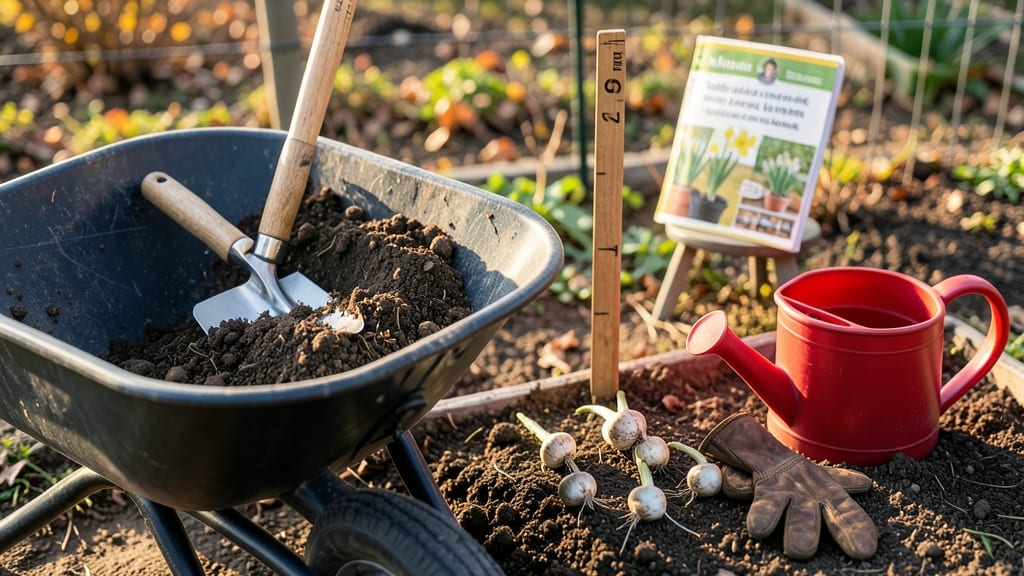
Planting daffodil bulbs in Missouri at the wrong time can mean the difference between a showstopping spring display and a sad, wilted disappointment. With chill-hour needs varying by variety and Missouri’s unpredictable fall frost dates, timing isn’t just important—it’s everything.
Most gardeners in USDA zones 5b-6b know fall is the sweet spot, but when exactly? The ideal window—October through November—lets bulbs establish roots before winter’s chill sets in. Too early, and they’ll rot; too late, and you’ll miss the 6-16 weeks of cold they need to bloom.
In this guide, I’ll break down the perfect planting dates for Missouri’s climate, including soil prep, bulb depth, and regional tweaks to beat frost and voles. Whether you’re planting ‘Ice Follies’ for early blooms or ‘Paperwhite’ for late-season color, these tips will ensure your 🌼 daffodils thrive.
Ready to skip the guesswork? Let’s dive into the step-by-step schedule that’ll have your garden bursting with color by April.
Missouri daffodil planting calendar by chill-hour zones (2024 guide)
Missouri’s variable climate means your daffodil planting window can shift by weeks between St. Louis and Kansas City. Most gardeners aim for October through November, but chill-hour requirements vary by variety.
For example, 'Ice Follies' needs just 6–8 weeks of winter chill, while 'Tête-à-Tête' thrives with 12–16 weeks. This mismatch explains why some bulbs bloom early and others flop.
Missouri’s USDA Zones 5b–6b create microclimates where average first frost ranges from November 1–15. Planting too early risks rot in soggy soil, while late planting may delay blooms until late spring.
The key? Time it so bulbs root 4–6 weeks before freezing, giving them time to establish before winter dormancy.
Here’s how to match your Missouri location to the best planting window, accounting for chill-hour needs and soil temperature:
| Location | Chill-Hour Zone | Ideal Planting Window | Best Varieties | Soil Temp Goal (°F) |
|---|---|---|---|---|
| Northern MO (e.g., St. Joseph) | Zone 5b | October 1–15 | 'Ice Follies', 'February Gold' | 50–60°F |
| Central MO (e.g., Columbia) | Zone 6a | October 15–31 | 'Tête-à-Tête', 'Thalia' | 55–65°F |
| Southern MO (e.g., Springfield) | Zone 6b | November 1–15 | 'Paperwhite', 'Carlton' | 60–70°F |
| St. Louis Metro | Zone 6a (urban heat island) | October 20–November 5 | 'Minnesota', 'Salome' | 50–60°F (cooler spots) |
🌱 Note: Adjust 1–2 weeks earlier for clay-heavy soils (they cool faster).
For St. Louis gardeners, urban heat islands can delay frost by 1–2 weeks, so aim for late October planting. Meanwhile, rural areas like Columbia often see frost by November 10, making mid-October ideal. Always check soil temperature—bulbs need 60°F or cooler to root properly.
Missouri’s late-winter thaws can trick gardeners into thinking spring has arrived, but 'February Gold' daffodils (early bloomers) still need 8+ weeks of chill. Plant them by October 15 in Zone 6a to ensure they’re ready for March blooms.
Late varieties like 'Paperwhite' can wait until November 1 in Southern Missouri.
Pro tip: Use a soil thermometer to confirm 50–60°F soil temps before planting. If temps hover above 65°F, wait 1–2 weeks—warm soil speeds up bulb growth, leading to weak roots before winter.
In 2023, Kansas City saw 70°F soil temps as late as October 25, causing many gardeners to delay planting until November.
Missouri’s clay soils drain poorly in fall, so amend with compost or sand to prevent bulb rot. Aim for 6 inches of loose soil over bulbs, and plant 6–8 inches deep for standard varieties. Dwarf daffodils (like 'Tête-à
How to adjust planting dates for early vs. late bloomers in Missouri
Not all daffodils bloom at the same time, and in Missouri’s variable climate, timing your planting to match your desired bloom season makes all the difference.
Early bloomers like ‘February Gold’ need to be planted slightly earlier than late-season varieties like ‘Paperwhite’ to ensure they get enough chill hours without rotting in wet soil.
For early bloomers, aim to plant bulbs in late September to early October. These varieties require 6-10 weeks of cold to trigger blooming, so getting them in the ground sooner gives them a head start.
Late bloomers, which need 12-16 weeks of chill, can wait until mid-October to November.
Missouri’s average first frost date (around November 15) is your cutoff—plant bulbs 4-6 weeks before the ground freezes to allow roots to establish. Use soil thermometers to check if temperatures are consistently below 50°F at night; that’s your cue to stop planting.
- 🌱 Early bloomers (e.g., ‘Ice Follies’): Plant late September–early October for 6-10 weeks of chill.
- 🌿 Mid-season bloomers (e.g., ‘Tête-à-Tête’): Plant mid-October for 10-12 weeks of chill.
- 🌸 Late bloomers (e.g., ‘Paperwhite’): Plant mid-October–November for 12-16 weeks of chill.
- ❄️ Soil temp rule: Stop planting when night temps drop below 50°F consistently.
- 📅 Missouri frost dates: Aim for 4-6 weeks before first frost (avg. November 15).
Missouri’s urban heat islands (like St. Louis) can delay frost, so adjust planting 1-2 weeks later in cities compared to rural areas. For example, if your yard stays warmer, push late bloomers into early November to avoid winter heaving.
Pro tip: Mark your calendar for April 15—Missouri’s average last frost date. Planting bulbs to bloom 2-3 weeks before this date ensures you catch those first spring colors without risking frost damage to delicate blooms.
Finally, avoid planting after November 15 unless you’re in a warmer microclimate. Bulbs planted too late may not establish roots before winter, leading to poor blooms or no flowers at all. When in doubt, err on the earlier side—daffodils are forgiving but need that chill window to shine.