
Plants
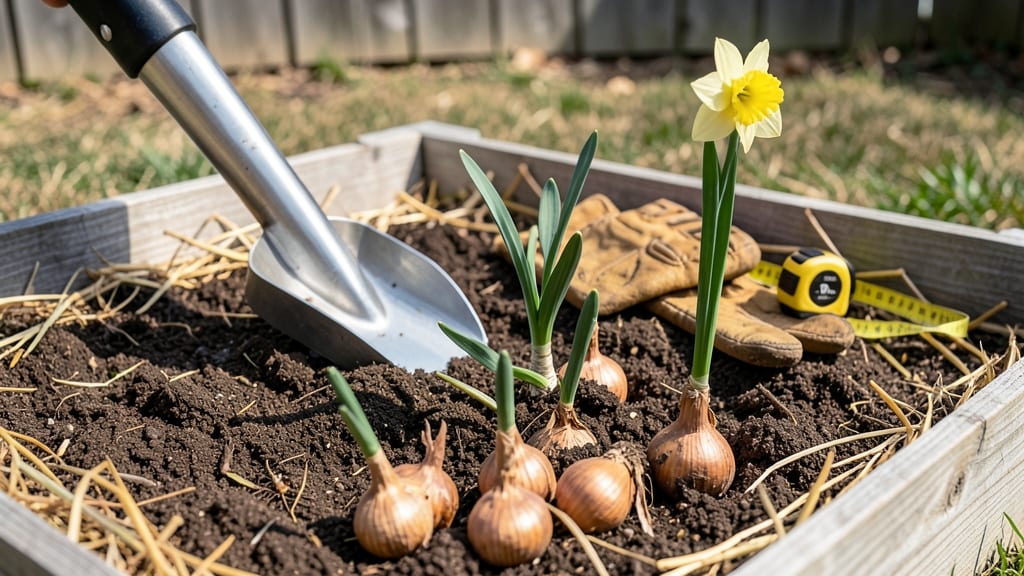
Planting daffodils in California means timing is everything—get it wrong, and you might end up with weak blooms or no flowers at all. The best window for planting these cheerful 🌼 bulbs is between October and December, but coastal and inland zones have very different rules.
If you're in 9a-10b zones, like most of California, you can still plant into early winter—even January or February—but the key is avoiding summer heat or frost. Coastal areas with milder winters can stretch planting later, while inland valleys need to get bulbs in before the first frost hits.
I’ve learned the hard way that skipping soil prep or planting too late can mean fewer blooms next spring. Whether you’re a first-timer or a seasoned gardener, knowing when and how to plant daffodils in California’s varied climate makes all the difference.
Let’s break down the exact months and steps to ensure your daffodils thrive—no matter where you live in the Golden State.
Optimal planting months for daffodils in California’s coastal vs inland regions
California’s microclimates create a complex puzzle for daffodil planting. Coastal areas like San Francisco enjoy mild winters with rare frost, while inland valleys such as the Central Valley face colder temperatures and earlier frosts. To maximize blooms, align your planting with your USDA zone and local frost dates.
Most California gardeners plant daffodils in fall (October–December), but timing shifts dramatically between regions. Coastal zones (USDA 9b–10a) can plant until January, while inland areas (USDA 7b–9a) should finish by mid-November to avoid frost damage. Let’s break down the ideal windows for each region.
🌼 Visual Guide: Use this comparison to find your perfect planting window based on location.
| Region | USDA Zone | Best Planting Window | Soil Prep Tip | Frost Risk |
|---|---|---|---|---|
| Coastal (San Francisco, LA) | 9b–10a | October–January | Amend with compost | Low (Dec–Jan) |
| Inland Valleys (Central Valley) | 7b–9a | October–Mid-November | Add sand for drainage | High (Nov–Dec) |
| Desert (Palm Springs) | 10a–11 | November–December | Use mulch for moisture | None |
| Mountain Foothills (Sacramento) | 7a–8a | September–October | Test soil pH (6.5–7.0) | Moderate (Nov) |
For coastal gardeners, the extended window means you can plant daffodils even in early winter (January). However, prioritize planting by mid-December to allow roots to establish before any rare frost. In inland areas, rush to plant by mid-November—delaying risks bulbs freezing before root growth.
Soil temperature is your secret weapon. Daffodils need soil at 50–60°F for root development. Use a soil thermometer to confirm readiness. In southern California, where winters are mild, you can plant as late as January, but aim for November–December for best results.
Pro tip: If you miss the fall window, early winter planting (January–February) works in frost-free zones like coastal areas. Just ensure soil isn’t waterlogged, as soggy conditions can rot bulbs. In colder inland zones, stick to fall planting only.
After planting, mulch heavily (3–4 inches) to insulate bulbs from temperature swings. In coastal areas, use straw mulch to retain moisture; inland, opt for straw or wood chips to protect against freeze-thaw cycles. This simple step can double your bloom success.
Remember, daffodils are perennials—once planted correctly, they’ll return year after year. But timing is everything. Miss the window, and you’ll either get frost-damaged bulbs or weak spring blooms. Follow these regional guidelines to ensure your daffodils thrive in California’s diverse climate.
Optimal planting months for daffodils in California’s coastal vs inland regions
California’s microclimates mean your daffodil planting timing should match your location. Coastal areas like San Francisco and Santa Barbara have milder winters, while inland valleys like Sacramento or Fresno face frost risks. The ideal window is October through December, but adjustments are key.
In coastal zones (USDA 9b-10a), you can plant daffodils as late as January thanks to warmer winters. Inland valleys (USDA 7b-9a) need bulbs in the ground by mid-November to avoid frost damage. I’ve seen daffodils planted too late in Sacramento struggle to bloom the next spring.
🌼
Soil temperature is your biggest clue. Daffodils need 60°F soil to start rooting. Use a soil thermometer to check—if it’s below 50°F, wait a few weeks. In coastal areas, soil stays warm longer, so January planting is safe. Inland, November is your cutoff.
For container planting, adjust timing slightly. Pots heat up faster, so plant 2-3 weeks earlier than in-ground bulbs. I’ve had success in Los Angeles containers by planting in late October—just move them to shade if frost threatens.
Don’t forget to mulch after planting! A 3-inch layer of straw or wood chips protects bulbs from temperature swings. In drought-prone areas, mulch also retains moisture—critical for daffodils in Southern California’s dry winters.
🌱