
Trees
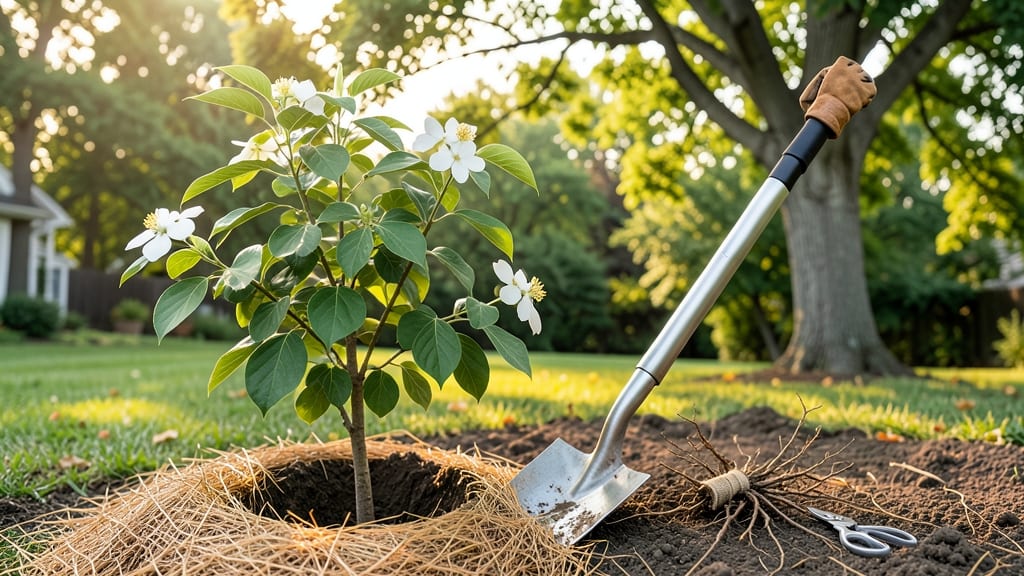
Planting your Dogwood Tree 🌳 in North Carolina at the wrong time could mean the difference between a stunning spring display and years of frustration. Unlike many trees, dogwoods thrive when planted during specific windows—late fall or early spring—that align with their natural growth cycles and NC's chill-hour requirements.
You might assume spring is always the best time, but in USDA Zones 6b-8a, late fall planting offers cooler soil and reduced transplant shock. The key is avoiding frost while giving roots time to establish before summer heat arrives.
Let me walk you through the exact timing that works for your region, whether you're in the Piedmont or Coastal Plain.
We'll cover how to prepare your soil, choose the right variety for your microclimate, and even handle those tricky bare-root transplants without stress. With 180-240 frost-free days in most of NC, getting this right ensures your dogwood blooms reliably year after year.
Ready to plant with confidence? I'll show you how to match your dogwood's needs to NC's climate—so you can enjoy those iconic spring flowers without the guesswork.
NC chill-hour zones: how they determine dogwood planting timing
North Carolina's diverse climate creates distinct chill-hour zones that directly impact when you should plant dogwood trees. These zones measure the number of hours below 45°F (7°C) your region experiences annually, and dogwoods typically need 400-1,200 chill hours to bloom properly.
In Coastal Plain areas (like Wilmington), you'll find 400-600 chill hours, while the Mountains (Asheville) can reach 1,200+ hours.
This variation explains why white dogwoods (Cornus florida) thrive in the Piedmont but may struggle in Zone 8a Coastal areas without proper chill-hour matching. Your local USDA Zone (6b-8a) determines which dogwood varieties will flourish, with heat-tolerant cultivars like 'Cherokee Brave' performing better in low-chill areas.
Here's how chill hours affect your planting decisions: Low-chill varieties (300-500 hours) like 'Rubra' can be planted year-round in Zone 8a, while standard dogwoods need 600+ chill hours for optimal blooming.
The Mountains' higher elevations naturally provide these chill hours, while Coastal regions may require microclimate selection or specific cultivars.
Understanding your chill-hour zone helps you avoid late spring planting when young trees haven't accumulated enough winter chill to set next year's buds. In Zone 7b (Raleigh), for example, planting in November gives roots time to establish before winter chill requirements are met.
🌳
| NC Region | USDA Zone | Chill Hours | Best Dogwood Varieties | Planting Window |
|---|---|---|---|---|
| Coastal Plain | 8a-8b | 400-600 | 'Cherokee Brave', 'Cherokee Princess' | Nov-Mar (avoid summer) |
| Piedmont | 7a-7b | 600-900 | 'Cornus florida', 'Cloud 9' | Oct-Apr (ideal Nov) |
| Mountains | 6b-7a | 900-1,200+ | All standard dogwoods | Sep-Mar (best Oct) |
For Coastal Plain gardeners, selecting low-chill cultivars is crucial. Varieties like 'Cherokee Brave' have been bred specifically for Zone 8a and can handle the milder winters while still producing stunning blooms.
These trees enter dormancy later and require less winter chill, making them ideal for Wilmington or Fayetteville landscapes.
In contrast, Piedmont regions (Raleigh, Greensboro) with 600-900 chill hours can support standard Cornus florida varieties. The additional chill hours help these trees develop larger flower buds and more vibrant spring displays. Planting in November gives roots time to establish before winter's chill period begins.
Mountain gardeners in Asheville or Boone (Zones 6b-7a) have the most flexibility with dogwood varieties due to higher chill hours. These areas can support both low-chill and standard cultivars, though standard varieties will generally produce more abundant blooms.
The extended growing season in these regions also allows for earlier spring planting (as early as March).
🌿
One common mistake is assuming all dogwoods have the same chill requirements. Pink dogwoods (Cornus florida 'Rubra') often need 100-200 more chill hours than white varieties, which can lead to poor blooming if planted in low-chill zones.
Always check the specific variety's chill-hour range before selecting your tree, especially when shopping online where regional growing conditions aren't always clear.
North Carolina's microclimates further complicate chill-hour calculations. A south-facing slope in Zone 7b may accumulate 300+ extra chill hours compared to a north-facing valley just miles away. This is why local nurseries often carry different dogwood varieties tailored to their specific service areas.
Best planting months in NC: frost-free timing by variety
North Carolina's diverse climate means dogwood planting windows vary dramatically from the Coastal Plain to the Mountains. Most gardeners plant flowering dogwoods (Cornus florida) in early spring (March-April) when soil temperatures rise above 50°F (10°C).
This timing aligns with bud break and gives roots time to establish before summer heat arrives.
For bare-root dogwoods, late fall (October-November) is ideal—especially in USDA Zones 6b-7a. The tree enters dormancy naturally, reducing transplant shock. However, avoid planting when soil temps drop below 40°F (4°C), as frost can damage exposed roots.
Heat-tolerant varieties like 'Cherokee Brave' or 'Rubra' can handle May planting in the Coastal Plain, where winters are milder. In the Mountains (Zones 7b-8a), extend your window to late April to avoid late frosts that can scorch new growth.
Pro tip: Check your local last frost date—most of NC averages March 15, but the Mountains can see frost into April 15. Use a frost-free calendar from your county extension office for precision.
For example, Asheville (Zone 7b) is safe by April 1, while Wilmington (Zone 8a) can plant as late as April 15.
Container-grown dogwoods have a 2-3 week advantage over bare-root because their roots aren’t exposed. Plant them 2 weeks earlier than bare-root in spring to give roots time to adapt. Always water deeply after planting—15-20 gallons for young trees—to encourage root growth into moist soil.
If you miss the spring window, don’t despair. Fall planting (September-October) works well for container-grown trees, provided you mulch heavily (3-4 inches) to insulate roots. Just avoid planting when soil temps drop below 50°F (10°C), as cold soil slows root development.
Remember: Dogwoods hate soggy soil. In low-lying areas or after heavy rains, wait until soil drains well before planting—even if it means delaying by a week. A well-timed dogwood will reward you with vibrant blooms in 3-5 years and decades of shade.