
Trees
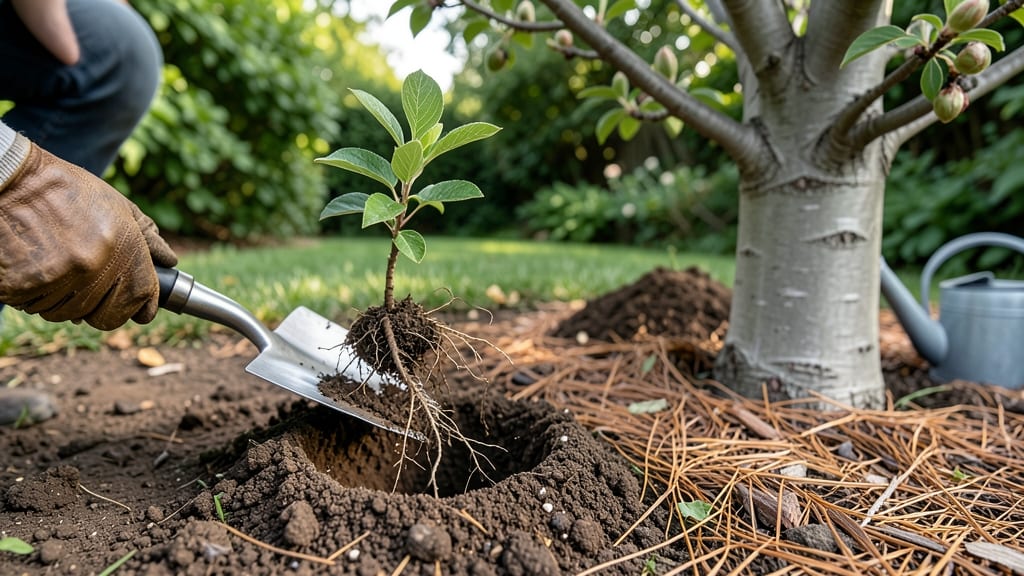
Planting a Dogwood Tree 🌳 in Texas isn’t just about grabbing a sapling—it’s about timing it right to beat the heat and avoid frost. Too early, and your tree could get fried by summer’s relentless sun; too late, and it might not survive the first freeze.
The secret lies in understanding your region’s chill-hour needs and choosing the perfect window.
Texas spans USDA Zones 8a-10b, meaning North Texas has cooler winters while South Texas stays warm year-round. That means fall (October-November) is ideal for North and Central Texas, but South Texas gardeners should wait until early spring (February-March) when the threat of frost has passed.
The key? Planting when the soil is cool but not frozen.
I’ve seen firsthand how a poorly timed planting can turn a $50 tree into a $50 lesson—so let’s cut to the chase. You’ll learn exactly when to plant based on your Texas region, how to prep your soil, and which dogwood varieties thrive in your microclimate.
No guesswork, just results.
Whether you’re in the Hill Country or the Rio Grande Valley, we’ll cover everything from soil prep to watering schedules—so your Dogwood Tree 🌳 gets off to the strongest start possible. Ready to plant with confidence?
Texas dogwood planting zones by chill-hour requirements
Texas spans USDA Hardiness Zones 8a–10b, but not all dogwood varieties thrive equally. Chill-hour needs (the number of hours below 45°F) dictate which species succeed in your region. Northern Texas (Zones 7b–8a) gets 1,000+ chill hours, while South Texas (Zones 9a–10b) sees 300–600 hours—a critical difference for Cornus florida vs. Cornus nuttallii.
For North and Central Texas, Cornus florida (flowering dogwood) is ideal—it craves 600–1,000 chill hours to bloom reliably. In South Texas, opt for Cornus nuttallii (Pacific dogwood), which tolerates 300–500 chill hours and handles heat better. Chill-hour mismatches lead to sparse blooms or stunted growth.
Here’s how to match your region to the right dogwood and planting window:
In North Texas, plant bare-root dogwoods in October–November to let roots establish before winter. The soil stays workable and frost risks are lower than in spring. Central Texas gardeners should aim for November–December to avoid summer heat stress during root growth.
For South Texas, February–March planting is critical—delaying until April risks root burn from 100°F+ soil temperatures. Container-grown dogwoods can be planted year-round in South Texas, but bare-root trees need cooler weather to avoid transplant shock.
Pro tip: Check your local chill-hour map (available from Texas A&M AgriLife) to fine-tune your choice. For example, Austin’s 700 chill hours suit Cornus florida, but San Antonio’s 500 hours may struggle—opt for Cornus nuttallii instead.
Always test your soil’s drainage and pH (dogwoods prefer 6.0–7.0). Amend heavy clay with compost to prevent root rot—a common killer in Texas’s alkaline soils.
🌳
Step-by-step dogwood planting timeline for Texas climates
Texas’s diverse climate means your dogwood planting timeline depends on whether you’re in North Texas, Central Texas, or South Texas. Each region has different frost dates and soil temperatures—so let’s break it down by month to ensure your tree thrives from day one.
For North Texas (USDA Zones 7b-8a), aim to plant in October or November when soil temps drop below 70°F but before the first hard frost (usually around December 1). This gives roots time to establish before winter dormancy.
In Central Texas (USDA Zones 8a-8b), shift your timeline to November or early December. The last frost typically hits by February 28, so planting in late fall ensures your dogwood avoids summer’s scorching heat while still benefiting from winter rains.
📅 Texas Dogwood Planting Timeline
- 🌱 North Texas (Oct-Nov): Plant bare-root trees in October or container-grown in November before first frost.
- 🌿 Central Texas (Nov-Dec): Opt for November planting; avoid December if frost is forecasted.
- ☀️ South Texas (Feb-Mar): Wait until February-March when soil warms above 60°F and frost risk is minimal.
- 💧 All Regions (Post-Planting): Water deeply 1-2x/week for first year; mulch 3 inches deep to retain moisture.
- ✂️ Pruning Tip: Trim dead branches in late winter (Feb) before new growth starts.
South Texas gardeners (USDA Zones 9a-10b) face a different challenge: heat and humidity. Plant in February or early March after the last frost (usually by January 15) to avoid summer’s extreme conditions. Container-grown dogwoods adapt better to heat, so they’re the best choice for this region.
Regardless of your location, soil preparation is critical. Amend your soil with compost to improve drainage, and avoid planting in areas with compacted clay—dogwoods hate soggy roots. Test your soil’s pH (ideal range: 5.0-6.0) and adjust with sulfur if needed.
Pro tip: If you miss the ideal window, container planting gives you flexibility. You can move potted dogwoods to shaded areas during Texas’s brutal summer months, then transplant them outdoors once temperatures drop.