
Plants
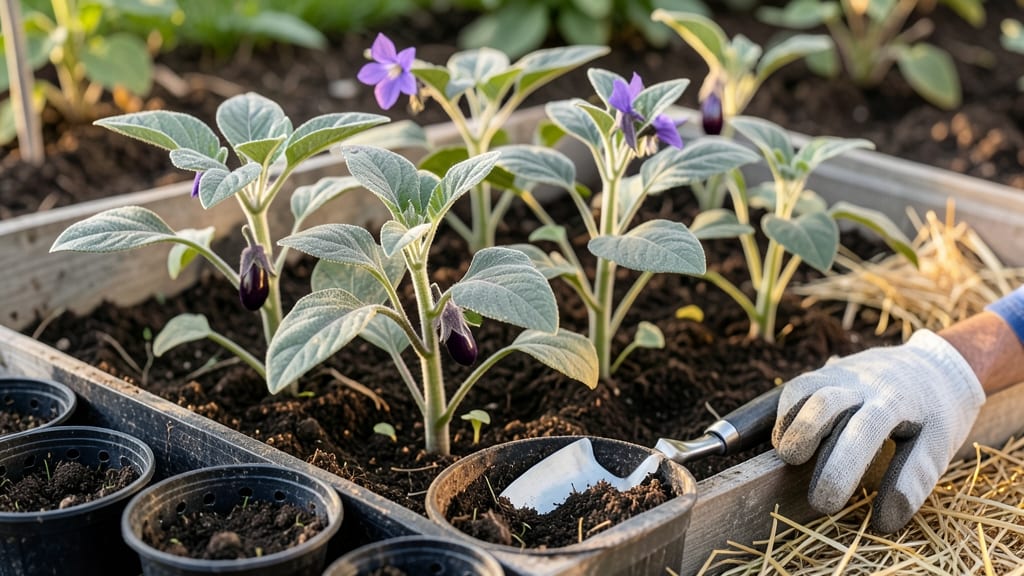
Planting eggplant in Florida isn't just about throwing seeds in the dirt—it's about timing your moves to avoid the brutal summer heat while maximizing your frost-free season. Since Florida's 9a-11 zones never see frost, you've got flexibility, but that doesn't mean you can plant anytime.
The key is starting 8-10 weeks before those ideal February-March windows when soil temps hit 70°F.
I've learned the hard way that planting too early means stunted growth, while waiting too long risks overheating your 🍆 plants before they even fruit. Florida's long growing season is a double-edged sword—you can grow year-round, but summer's intense heat demands special strategies.
Let me show you exactly when to start seeds indoors, when to transplant outdoors, and how to protect your plants from Florida's midday sun.
Most gardeners in Florida focus on spring planting, but there's a secret second window in July-August for fall crops that many miss. The trick is choosing heat-tolerant varieties like 'Black Beauty' or 'Ichiban' and using shade cloth during peak afternoon heat.
I'll walk you through the complete planting timeline, including soil prep tips that make all the difference in Florida's sandy soils.
Whether you're a beginner or a seasoned gardener, getting your eggplant timing right means bigger yields and happier harvests from May-June and again in October-November. Let's dive into the exact deadlines and proven techniques that work in Florida's unique climate—no guesswork, just results.
Florida heat zone planting deadlines for eggplant success
Florida’s frost-free climate means eggplant can grow year-round, but heat zones still dictate the best planting windows for optimal yields. Unlike northern states, we don’t worry about frost—but soil temperatures and humidity play critical roles in seedling success.
Eggplants thrive in USDA zones 8A-10A, but even within Florida, microclimates create 3 distinct planting deadlines you must follow.
In North Florida (Zones 8A-8B), the coolest soil temperatures appear in January-February, making this the prime window for spring transplants. Meanwhile, Central Florida (Zones 9A-9B) can start as early as late December, while South Florida (Zones 10A-11) enjoys year-round planting—though summer heat requires special care.
Let’s break down the exact deadlines by zone to maximize your harvest.
| Heat Zone | Ideal Planting Window | Soil Temp Threshold | Transplant Deadline | Harvest Window |
|---|---|---|---|---|
| 8A-8B (North FL) | Feb 15 - Mar 15 | 65°F+ | Apr 1 (before 90°F heat) | May - June |
| 9A-9B (Central FL) | Jan 15 - Feb 28 | 60°F+ | Mar 15 (avoid summer solstice) | Apr - July |
| 10A-11 (South FL) | Year-round (peak: Sep-Nov) | 70°F+ | Aug 1 (for fall crop) | Oct - Dec |
🌡️ Pro Tip: Use a soil thermometer—eggplants won’t germinate below 60°F!
For North Florida gardeners, the February 15 deadline is non-negotiable. Soil must stay above 65°F for 2+ weeks before transplanting. In Central Florida, you can push it slightly earlier, but avoid planting after March 15—summer’s 90°F+ heat will stress seedlings.
Meanwhile, South Florida’s year-round flexibility lets you plant twice annually: spring (Jan-Mar) and fall (Aug-Oct).
Missed the spring window? No problem! Florida’s fall planting (July-August) produces sweeter, higher-yield eggplants because cooler nights reduce bitterness. Start seeds indoors 8-10 weeks before your zone’s transplant deadline—or buy heat-tolerant varieties like ‘Black Beauty’ or ‘Ichiban’ for direct summer sowing.
Just shade young plants during 12-4 PM to prevent sunscald.
One common mistake? Planting too early in cool soil leads to rotten roots and stunted growth. Always warm soil first by using black plastic mulch for 2-3 weeks before transplanting. And remember: eggplants hate wet feet—raised beds or mound planting improves drainage in Florida’s clay-heavy soils.
For continuous harvests, stagger plantings every 2-3 weeks within your zone’s window. This succession planting ensures you’re always picking ripe fruit while avoiding overproduction that leads to bitter, seedy eggplants.
In South Florida, you can even plant every 6 weeks for a year-round supply—just rotate varieties to prevent soil-borne diseases.
Need a quick reference? Bookmark these heat zone deadlines and soil temp rules—they’re your ticket to bountiful eggplant harvests without the guesswork. Next, we’ll cover how to protect your plants during Florida’s sweltering summer months while keeping yields high.
Florida heat zone planting deadlines for eggplant success
Florida's frost-free climate means eggplant can thrive year-round, but timing your plantings by heat zone is crucial for avoiding heat stress and maximizing yields. Unlike northern states, Florida gardeners must focus on soil temperature rather than frost dates—eggplants need consistent soil temps above 70°F to germinate and grow properly.
I've found that North Florida (zones 8A-9A) has a shorter window for spring planting than Central/South Florida (zones 9B-11). The key difference? Northern regions experience cooler soil in early spring, while southern areas can plant earlier.
Let me break down the exact deadlines for each zone to help you plan your 🍆 harvests.
📅 Florida Eggplant Planting Timeline by Heat Zone
| Zone | Ideal Planting Window | Soil Temp Threshold | Transplant Deadline | Harvest Window |
|---|---|---|---|---|
| 8A (North FL) | Late Feb - Early Mar | 70°F+ consistently | Mid-April (before 90°F+) | May-June, Oct-Nov |
| 9A (Central FL) | Mid-Feb - Mid-Mar | 68°F+ consistently | Late March (avoid May heat) | May-June, Oct-Nov |
| 9B-10A (South FL) | Jan - Early Feb | 65°F+ consistently | Early March (before summer) | April-May, Sept-Oct |
| 10B-11 (Miami) | Dec - Jan | 62°F+ consistently | Mid-February (year-round) | March-April, Aug-Sept |
For spring plantings, aim to have seedlings ready to transplant 4-6 weeks before your zone's transplant deadline. This means starting seeds indoors by January for North Florida and as early as November for South Florida.
I always use grow lights for my seedlings to ensure strong, healthy starts before moving them outdoors.
Don't overlook Florida's fall planting window—this is where many gardeners miss out. For a second harvest, plant seeds in July-August for a fall crop. The secret?
Choose heat-tolerant varieties like 'Ichiban' or 'Black Beauty' and provide afternoon shade during August's peak heat. This strategy lets you harvest from October through December.
Remember that Florida's summer heat can be brutal—eggplants planted in June or July without proper shade often struggle. I've learned that mulching with straw and using 30% shade cloth during midday can make all the difference in maintaining consistent yields during our hottest months.
Pro tip: Always check your soil temperature with a thermometer before planting—eggplant seeds won't germinate well below 70°F. In Florida's sandy soils, I recommend adding compost or well-rotted manure to improve moisture retention and fertility before planting.