
Plants
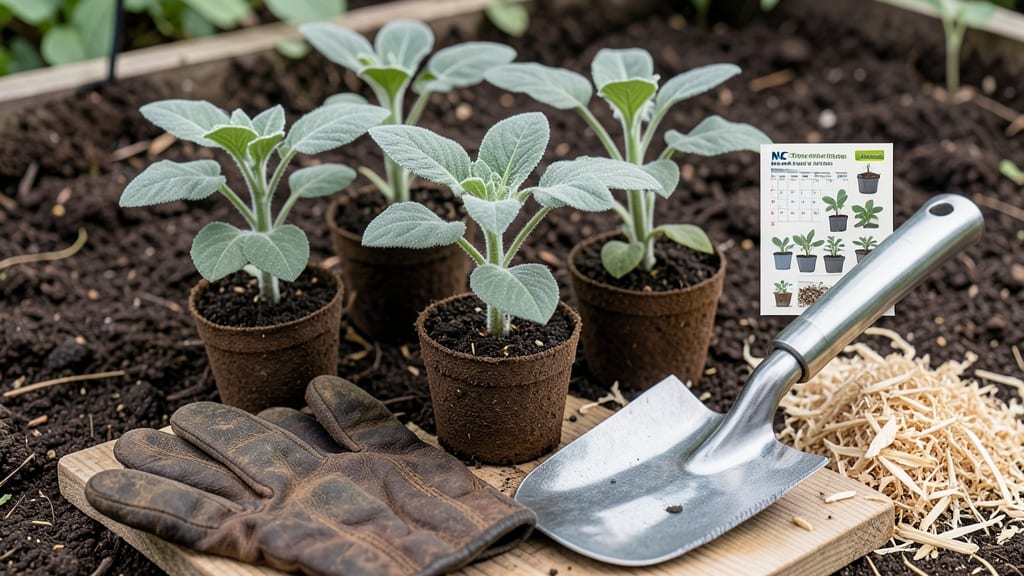
Planting eggplant in North Carolina isn't just about waiting for spring—it's about timing your 🍆 for the perfect balance of warmth and frost-free days. The wrong move, and your plants might bolt before producing a single fruit, leaving you with nothing but disappointment.
I've learned the hard way that soil temperature matters just as much as the calendar, especially when you're dealing with zones 6b-8a where frosts can linger into May.
Most gardeners in NC make the mistake of planting too early, only to watch their eggplants wilt when temperatures dip. The key is waiting until the soil reaches a steady 70°F—that's when your plants will truly thrive.
Whether you're in the mountains or the coastal plains, understanding your local microclimate can mean the difference between a bumper crop and a failed harvest.
In this guide, I'll break down the exact months to plant based on your heat zone, plus proven tricks to extend your growing season if you're in a cooler area.
You'll discover how to prepare your soil, choose the best varieties for NC's humidity, and even protect your plants from unexpected late frosts. Let's get your eggplants off to the right start.
From seedling to harvest, we'll cover everything you need to know to ensure your eggplant plants grow strong and productive. Whether you're a beginner or a seasoned gardener, these insights will help you avoid common pitfalls and maximize your yield. Ready to grow the best eggplants in North Carolina?
North Carolina eggplant planting dates by USDA heat zone (with frost risk maps)
Eggplants thrive in North Carolina’s long, hot summers, but timing is everything—plant too early, and a late frost will kill your seedlings. Too late, and your harvest shrinks. The key? Align your planting with your USDA heat zone (6b-8a) and soil temperatures of 70°F+.
Most of NC falls into zones 6b-8a, meaning your last frost typically arrives between mid-March and early April. However, mountain regions (zone 6b) face frost risks until May 15, while coastal areas (zone 8a) can safely plant by mid-April.
Always check your local frost-free date for precision.
Here’s your zone-by-zone planting guide, including soil prep tips and frost risk timelines to maximize your eggplant’s 75-90 day growth cycle:
For urban gardeners in cities like Charlotte or Raleigh, microclimates can shift planting by 1-2 weeks. South-facing walls or rooftop gardens often warm up faster, while shaded areas may need row covers to extend the season. Always monitor your soil with a thermometer—eggplants won’t germinate below 70°F.
Pro tip: In zone 6b, start seeds indoors 8-10 weeks before your last frost (around February 15) for an earlier harvest. Transplant seedlings outdoors only after nighttime temps stay above 55°F for 5+ days.
NC’s humid summers can stress eggplants, so prioritize well-draining soil (amend with compost) and morning watering to prevent fungal diseases like powdery mildew. Mulch heavily to retain moisture and regulate soil temperature.
Missed the ideal window? Don’t despair—late June plantings can still produce fruit in zones 7b and 8a, though yields may be smaller. Just protect young plants with floating row covers if a late heatwave arrives.
🌱
How to extend eggplant’s short growing season in NC (cold Protection Hacks)
North Carolina’s cool spring nights and late frosts can stall eggplant growth, but smart gardeners use tricks to extend the season and boost yields. Since eggplants need consistent warmth (soil temps above 70°F), even a single frost can set you back weeks. The key? Protective layers and strategic timing.
Start by planting transplants (not seeds) after your last frost date, which typically falls between mid-April and early May in NC. For cooler zones (USDA 6b-7a), consider starting seeds indoors 8-10 weeks before your last frost to give them a head start.
A grow light setup or sunny windowsill can help seedlings reach 3-4 inches tall before outdoor planting.
🔹 Visual Guide: Cold Protection Hacks for NC Eggplants 🔹
For urban gardeners with limited space, container growing is a game-changer. Use 5-gallon pots with heat-retentive fabric (like burlap wraps) to insulate roots during cool nights. Place pots in south-facing locations and move them indoors under grow lights if a frost warning arises.
Monitor local weather alerts and act fast if unexpected frosts threaten. A DIY frost cloth (old blankets or lightweight row covers) draped over plants can protect down to 25°F.
Water plants deeply before frost to insulate roots with moisture. In Zone 6b, this might mean harvesting early or using a mini greenhouse to shield plants until soil warms again.
Pro tip: Mulch heavily with straw or shredded leaves to lock in heat and suppress weeds. This raises soil temps by 2-3°F and extends the growing season by 10-14 days.
Pair this with drip irrigation to keep roots cool during NC’s scorching July afternoons—your eggplants will thrive in the balance.