
Plants
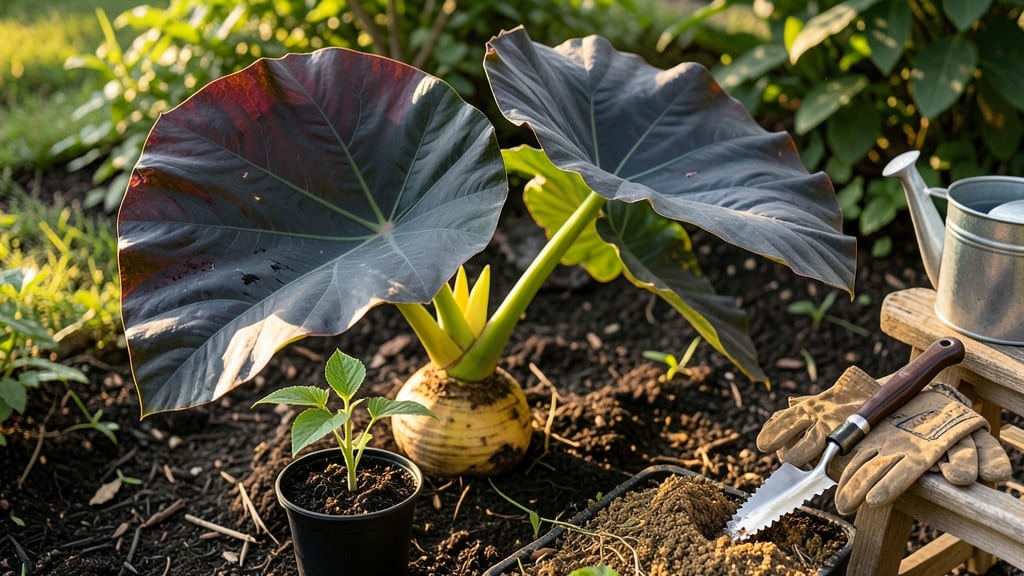
Planting elephant ears 🌿 in Oklahoma isn’t just about timing—it’s about giving these tropical beauties the perfect frost-free start. Too early, and a late freeze will turn your tubers to mush; too late, and summer’s heat will stunt their stunning foliage before it even begins.
For Oklahoma’s 6b-7a zone, the sweet spot is after the last frost date—typically between mid-April and early May. That’s when soil temperatures hit the ideal 60°F mark, signaling it’s safe to tuck those tubers into rich, moist soil.
But don’t wait too long—planting by late May means battling the worst of the summer heat.
Why does this matter? Because elephant ears thrive in warmth but despise cold snaps. A well-timed planting means bold, lush leaves all season long, not wilted disappointment. I’ll show you exactly how to read Oklahoma’s microclimates—whether you’re in Oklahoma City, Tulsa, or rural areas—to nail the perfect window.
Ready to transform your garden into a tropical oasis? Let’s dive into the step-by-step guide that’ll have your elephant ears reaching for the sky by summer. You’ll learn soil prep tricks, variety picks, and care hacks tailored just for Oklahoma’s climate.
Oklahoma’s ideal planting timeline for elephant ears: avoiding frost and heat stress
Timing is everything when planting elephant ears (Colocasia) in Oklahoma. These tropical beauties thrive in warm soil and humid air, but they’re frost-sensitive and can’t handle Oklahoma’s scorching summer heat if planted too late. My goal? Help you nail the perfect 30-day window between frost risk and peak heat.
Oklahoma’s USDA Zones 6b-7a mean your last frost typically falls between mid-March and early April, depending on your region. For example, Oklahoma City averages its last frost around March 25, while Tulsa sees frost linger until April 5.
Rural areas in southwestern Oklahoma can be 1-2 weeks earlier.
Wait until soil temperatures hit at least 60°F—this usually aligns with mid-April to early May—before planting tubers. A soil thermometer is your best friend here. Planting too soon risks frost damage to tender tubers, while waiting too long may stress plants as summer heat ramps up.
Here’s my Oklahoma planting timeline broken down by region and key milestones:
| Region | Last Frost Date | Ideal Planting Window | Soil Temp Goal | Key Tip |
|---|---|---|---|---|
| Oklahoma City | March 25 | April 15–May 1 | 60°F+ | Use black plastic mulch to warm soil faster. |
| Tulsa | April 5 | April 20–May 5 | 60°F+ | Choose heat-tolerant varieties like 'Black Magic'. |
| Southwest (e.g., Lawton) | March 15 | April 1–April 15 | 60°F+ | Plant in partial shade to avoid early heat stress. |
| Northeast (e.g., Miami) | April 10 | April 25–May 10 | 60°F+ | Extend season with row covers if late frost occurs. |
If you’re starting tubers indoors, begin 6-8 weeks before your last frost date. Use seedling trays with well-draining mix and keep them in a warm, humid spot (70°F+). Transplant outdoors only after hardening off for 10-14 days.
Pro tip: Monitor your local microclimate. Urban areas like OKC can be 5°F warmer than rural spots, while mountainous regions may need to wait until mid-May. Check Oklahoma Mesonet for real-time soil temp data.
Once planted, mulch heavily with straw or leaves to retain moisture and regulate soil temperature. This is especially critical in Oklahoma’s intense summer heat, where tubers can dry out or overheat. Aim to keep soil consistently moist but not soggy.
For container gardening, use large pots (12"+ diameter) with fast-draining mix and move containers to shadier spots during peak afternoon sun (1 PM–5 PM). This mimics their understory habitat and prevents leaf scorch.
Remember: Elephant ears are not frost-hardy. If an unexpected late frost threatens after planting, cover tubers with burlap sacks or frost cloth. Even a 28°F night can kill emerging shoots, so stay vigilant until June 1.
Oklahoma’s ideal planting timeline for elephant ears: avoiding frost and heat stress
Timing your elephant ear planting in Oklahoma means balancing last frost dates with soil temperature—both critical for tuber survival. Oklahoma’s USDA Zones 6b-7a typically see the last frost around mid-April, but rural areas may experience frost 2-3 weeks later.
Planting too early risks frost damage, while waiting too long exposes tender tubers to scorching summer heat.
For OKC and Tulsa, aim to plant elephant ears between mid-April and early May when soil temperatures consistently reach 60°F. Rural areas with cooler microclimates should wait until late April to early May.
Use a soil thermometer to confirm readiness—below 55°F stunts growth, while above 75°F stresses tubers.
| Region | Last Frost Date | Ideal Planting Window | Soil Temp Requirement |
|---|---|---|---|
| OKC Metro | Mid-April | Mid-April to early May | 60°F+ |
| Tulsa | Late April | Late April to early May | 60°F+ |
| Rural Areas | Early May | Early to mid-May | 60°F+ |
If you’re eager to start earlier, consider container gardening—pots warm up faster and let you move tubers indoors if frost threatens. For outdoor planting, wait until nighttime temperatures stay above 55°F consistently.
In Oklahoma’s humid summers, tubers planted too late may struggle to establish roots before the intense heat of July and August.
Extend your planting window by choosing heat-tolerant varieties like ‘Black Magic’ or ‘Illustris’, which handle 90°F+ temperatures better than standard types. For shadier spots, opt for ‘Pink China’, which thrives with 4-6 hours of sunlight—ideal for Oklahoma’s afternoon heat.
After planting, mulch with 3-4 inches of organic mulch to retain moisture and regulate soil temperature. This is especially critical in Oklahoma’s dry spells or sudden heatwaves. Avoid planting in full sun without shade cloth, as even heat-tolerant varieties can scorch in Oklahoma’s 100°F+ days.
Monitor your tubers closely for the first 2-3 weeks—this is when they’re most vulnerable. If a late frost hits, cover plants with frost cloth or move containers indoors. With the right timing, your elephant ears will reward you with lush, tropical foliage all summer long.