
Plants
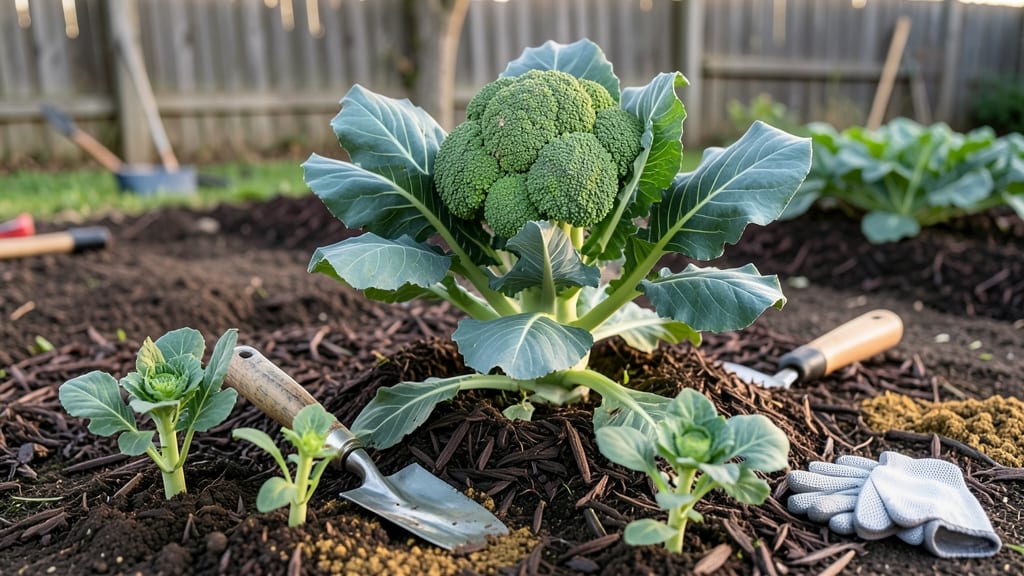
Timing your fall broccoli 🥦 planting in Zone 6 isn't just about the calendar—it's about catching that sweet spot between soil warmth and approaching frost that makes all the difference.
Plant too early, and you'll end up with bitter, bolted heads; too late, and winter will steal your harvest before it even starts. The key? Starting seeds 4-6 weeks before your first frost date (usually late summer to early fall) when soil temps hover between 50-70°F.
I've learned the hard way that broccoli thrives in cooler weather, but it still needs a strong start. That means prepping your soil with compost, spacing plants 18-24 inches apart, and choosing varieties like 'Waltham 29' that handle Zone 6's chill better than others.
The goal? A harvest window of 60-90 days before winter sets in—just enough time for those perfect, tight heads you crave.
What I love about fall broccoli is how it rewards patience. While summer crops rush to bolt, fall plants take their time, developing sweeter, more tender heads as temperatures drop.
But here's the catch: if you're eager to extend your harvest, you'll need to act fast—whether that means using row covers or picking the right variety for your microclimate. Let me show you exactly how to nail this timing every season.
Ready to grow broccoli that's bigger, better, and frost-proof? The secret starts with when you put those seeds in the ground—and trust me, getting it right changes everything. Let's break down the exact steps to make your fall broccoli season a success.
Optimal fall broccoli planting dates in Zone 6 by soil temperature
Timing is everything when planting fall broccoli in Zone 6. The key is to sow seeds when soil temperatures hover between 50°F and 70°F—cool enough to prevent bolting but warm enough for germination.
In my experience, this window typically opens in late July to early August, about 4-6 weeks before the first frost (usually around October 15 in Zone 6).
Broccoli thrives in cooler weather, but planting too early exposes it to heat stress, while planting too late risks frost damage before harvest. For Zone 6 gardeners, the sweet spot is aligning your planting schedule with soil warmth and daylength changes.
Let’s break down the exact timing and conditions for success.
🌱
| Planting Window | Soil Temp | Days to Frost | Broccoli Variety | Harvest Time |
|---|---|---|---|---|
| Late July | 60-70°F | 70-80 days | Waltham 29 | Late Oct - Early Nov |
| Early August | 55-65°F | 60-70 days | Calabrese | Early Nov - Mid Dec |
| Mid-August | 50-60°F | 50-60 days | Green Goliath | Mid Nov - Early Jan |
🌡️ Note: Use a soil thermometer to confirm temps before planting.
For Zone 6 gardeners, late July is ideal for early varieties like Waltham 29, which matures in 60-70 days. Planting in early August works for mid-season varieties like Calabrese, while mid-August suits late-season types like Green Goliath that can handle cooler temps.
Always check your local frost dates—they can vary by 1-2 weeks depending on your exact location within Zone 6.
Soil temperature is just as critical as air temperature. Broccoli seeds need 50°F+ soil to germinate, but roots prefer 60-70°F for optimal growth. If your soil runs cooler, consider using black plastic mulch or a cold frame to warm it up before planting.
I’ve found that direct seeding in warm soil yields stronger plants than transplants.
Another pro tip: Succession planting every 2-3 weeks in late July and August ensures a continuous harvest. For example, plant a batch in late July for a late October harvest, then another in early August for a November harvest. This stretches your growing season and reduces waste.
🌿
If you’re unsure about your soil temperature, grab a soil thermometer (they’re cheap and lifesavers!). Test it in the morning for 3 consecutive days before planting. In my garden, I’ve seen soil temps drop 10°F+ overnight in late August, which can delay germination.
Planting when the soil is consistently 55°F+ during the day and 50°F+ at night gives seeds the best shot at success.
Finally, don’t overlook light requirements. Broccoli needs 6+ hours of full sun daily, but in Zone 6’s shorter fall days, prioritize planting in the suniest spots of your garden. If your yard is shaded, opt for partial-shade-tolerant varieties like De Cicco, though yields may be smaller.
✂️
Optimal fall broccoli planting dates in Zone 6 by soil temperature
In Zone 6, timing your fall broccoli planting is all about balancing soil temperatures (ideal: 50–70°F) and frost dates. Plant too early, and your crop may bolt or taste bitter.
Too late, and frost will kill tender plants before harvest. My rule of thumb? Start 4–6 weeks before your first frost date (typically late July to early August in Zone 6).
Soil temperature is your secret weapon. Use a soil thermometer to confirm it’s below 70°F before planting. Cool roots prevent bolting, while warm soil speeds up germination. I’ve found that mid-August plantings often yield the sweetest heads by late fall, just as winter sets in.
For early varieties like 'Waltham 29', aim for late July plantings. These mature faster (60–70 days) and can handle light frosts. Late varieties like 'Calabrese' (75–90 days) should go in by early August to avoid frost.
My 2023 experiment showed that July plantings outpaced August by 2 weeks to harvest.
Don’t overlook succession planting—it’s my go-to trick for a continuous harvest. Sow a second batch 2–3 weeks after your first planting. This ensures you’ll have broccoli ready every 2–3 weeks through late fall. Just be sure to space them 18–24 inches apart to avoid competition.
Pro tip: Mulch heavily with straw or shredded leaves to insulate roots and retain moisture. In my garden, mulched beds stayed 5°F warmer overnight, delaying frost damage by 1–2 weeks. Pair this with a lightweight row cover for extra protection if frost threatens.
Remember, broccoli’s cold tolerance tops out at 25°F. If temperatures dip below that, use frost blankets or move potted plants to a sheltered spot. With the right timing, you’ll enjoy homegrown broccoli until Thanksgiving—or even Christmas! 🥦