
Plants
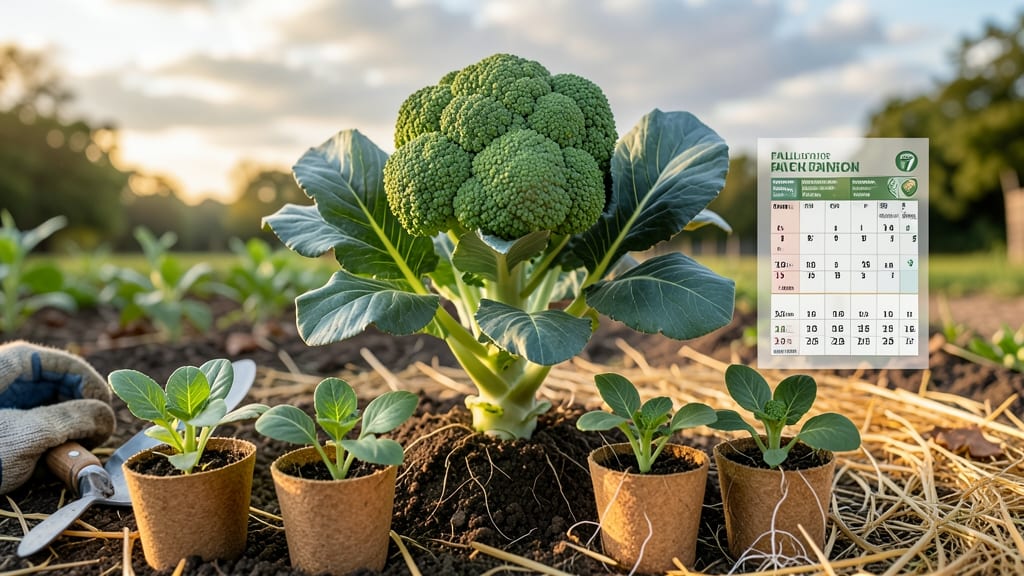
Planting fall broccoli 🥦 in Zone 7 at the wrong time means watching your hard work bolt to seed before you even get to taste it.
The key to a thriving harvest lies in those precise weeks before the first frost hits—too early, and heat stresses the plants; too late, and cold stunts their growth.
I’ve learned the hard way that timing isn’t just about dates—it’s about understanding your microclimate. Zone 7’s 7a-7b range gives you a narrow window (August to early September) where soil stays warm enough for roots to establish but nights cool down just enough to trigger sweet, slow growth.
Miss this sweet spot, and you’ll end up with bitter, tough stalks—or worse, no harvest at all.
What if I told you there’s a foolproof method to calculate your exact planting window using just three pieces of data? You’ll discover how to align your broccoli’s maturity timeline with your local frost date, pick the right variety for your garden, and even extend your harvest into December.
Let’s get those seeds in the ground at the perfect moment.
Whether you’re a first-time gardener or a seasoned green thumb, these insights will help you avoid the most common mistakes that turn fall broccoli dreams into disappointment. Ready to grow the crispest, most flavorful heads your neighborhood has ever seen?
Optimal planting weeks before first frost in Zone 7 for fall broccoli
In Zone 7, fall broccoli thrives when planted 80–100 days before your first frost date—typically between mid-August and early September. This window ensures your plants mature before cold snaps, delivering sweet, crisp heads by late fall.
The key is balancing heat tolerance and cool-season growth to avoid bolting (premature flowering) or stunted development.
For Zone 7a (colder microclimates), aim for late August planting to allow 90–100 days to harvest before frost. In Zone 7b (warmer areas), you can push planting to early September with 80–90 days to maturity.
Always check your local frost dates—even a few days’ difference can mean the difference between success and failure.
Broccoli varieties play a huge role in timing. Early varieties like ‘De Cicco’ (58–65 days) are ideal for late August plantings, while mid-season types like ‘Waltham 29’ (65–80 days) work for early September. Late varieties like ‘Calabrese’ (80–100 days) are best for Zone 7b or extended-season gardens with row covers.
Soil temperature is just as critical as air temperature. Broccoli seeds won’t germinate well below 45°F (7°C). Use a soil thermometer to confirm your soil is at least 50°F (10°C) before planting. In Zone 7, this usually aligns with late summer’s natural cooling trend—perfect for broccoli’s preferences.
Here’s the golden rule: Count backward from your frost date. If your first frost is October 15, subtract 80–100 days to land on your planting window.
For example: - October 15 (frost) – 90 days = July 16 (too early—broccoli bolts in heat). - October 15 – 80 days = August 5 (ideal for Zone 7a). - October 15 – 70 days = September 5 (risky unless using late varieties or row covers).
| Variety Type | Days to Maturity | Best Planting Window (Zone 7) | Microclimate Notes |
|---|---|---|---|
| Early (e.g., 'De Cicco') | 58–65 days | Late August | Zone 7a; avoid heat stress |
| Mid-season (e.g., 'Waltham 29') | 65–80 days | Early September | Zone 7b; cooler microclimates |
| Late (e.g., 'Calabrese') | 80–100 days | Late August–early Sept | Use row covers for extension |
🌱 Pro Tip: Always plant 2–3 weeks apart for a staggered harvest!
Don’t overlook succession planting—this technique lets you enjoy broccoli for weeks. Plant a second batch 2–3 weeks after your initial seeding to fill gaps in your harvest timeline. For example, if you plant August 15, follow up with September 1 to ensure a steady supply through October.
Light and spacing also impact timing. Broccoli needs 6+ hours of sun daily, but too much heat (above 85°F/29°C) stresses plants. In Zone 7, late summer sun can be intense—consider light shade cloth if planting in August. Space plants 18–24 inches apart to prevent competition, which can delay maturity.
Finally, soil prep sets the stage for success. Amend your garden bed with compost or aged manure 2–3 weeks before planting to boost nutrients. Broccoli is a heavy feeder, so well-draining, fertile soil is non-negotiable.
Aim for a pH of 6.0–7.0—test your soil if you’re unsure, as acidic or alkaline conditions stunt growth.
By nailing your planting window, variety choice, and soil conditions, you’ll transform Zone 7’s fall into a broccoli bonanza. Next, we’ll dive into calculating your exact planting date using frost data—because even a few days can make or break your harvest! 🥦
Optimal planting weeks before first frost in Zone 7 for fall broccoli
In Zone 7, fall broccoli thrives when planted 80–100 days before your first frost date. For most areas, this means starting seeds in late July to early August for transplants or direct sowing in mid-August to early September.
The key is balancing maturity time with cooler fall temperatures—too early, and your broccoli bolts; too late, and frost ruins your crop.
Your first frost date in Zone 7 typically lands between October 15–November 1. Using this as your anchor, count backward to determine the perfect window. For example, if your frost arrives October 20, aim for July 20–August 10 for transplants or August 15–September 5 for direct sowing.
Broccoli varieties also play a role. Early varieties (like 'Waltham 29') mature in 50–60 days, while late varieties (like 'Packman') take 70–80 days. Choose based on your frost date: early varieties for late August/September planting, late varieties for July/August starts.
🌱 Fall Broccoli Planting Timeline for Zone 7
| Stage | Action | Best Time |
|---|---|---|
| Start Seeds Indoors | Use seed trays, 60°F+ soil | Late July |
| Transplant Seedlings | Hardened-off plants, 18" apart | Late July–Early August |
| Direct Sow Seeds | ½" deep, 18" spacing | Mid-August–Early September |
| Harvest Ready | Firm heads, 6"+ stalks | October–November |
📅 Adjust dates 1–2 weeks earlier for Zone 7a or later for Zone 7b.
Soil temperature matters just as much as air temperature. Broccoli seeds need soil temps above 40°F to germinate—wait until late August to avoid slow starts. Use a soil thermometer to confirm readiness. If your soil cools too quickly in September, opt for cold-hardy varieties like 'De Cicco' or 'Calabrese'.
Microclimates in Zone 7 can shift planting windows by 1–2 weeks. Gardens near large bodies of water stay warmer longer, while elevated areas cool faster. Observe your yard’s patterns: if nearby plants bolted early last year, plant 2 weeks later than the average timeline.
Conversely, if frost came early, shift planting 1–2 weeks earlier.
Extend your harvest by succession planting: sow a second batch of seeds 3–4 weeks after your first planting. This ensures a steady supply of broccoli as temperatures drop. Just be sure the second batch matures before hard frosts (below 25°F), which damage even cold-tolerant varieties.
Protect young plants from fall pests like cabbage worms and aphids with row covers or neem oil sprays. Mulch with straw to retain soil warmth and moisture as nights grow chilly.
With the right timing and care, your Zone 7 garden can yield sweet, crisp broccoli well into November.