
Planting
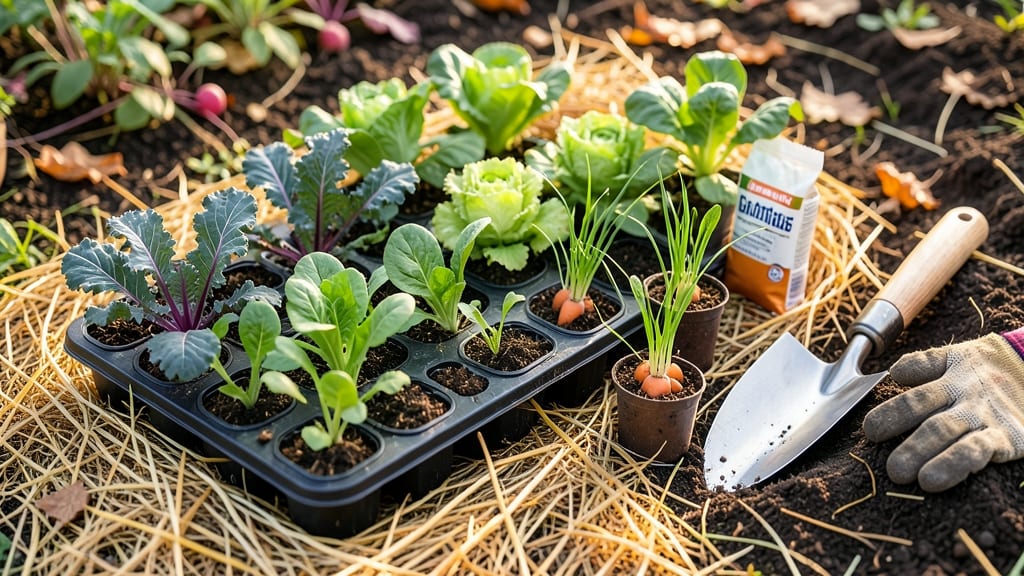
To plant your fall garden in Missouri without risking frost damage, timing is everything—miss the window by even a week, and your hardy greens could bolt or freeze before you harvest them.
The key lies in understanding your specific USDA zone (5b-6b) and planting between mid-August and early October, when soil temps stay cool enough for cool-season crops like kale and carrots to thrive.
I’ve learned the hard way that Missouri’s unpredictable fall weather can throw off even the most careful gardeners. One year, my 🥬 spinach was ready to harvest just as the first frost hit—leaving me with wilted leaves instead of a fresh salad.
But with the right schedule, you can avoid this common mistake and enjoy a bountiful fall harvest.
What you’ll discover here are the exact planting dates tailored to Missouri’s climate, plus tips for extending your harvest season with row covers and mulch. Whether you’re a first-time fall gardener or a seasoned pro, these strategies will help you grow cold-hardy vegetables that last well past Halloween.
Let’s dive into the zero-frost planting calendar that’s worked for Missouri gardeners—and how to adjust for your specific corner of the state. Your future self (and your taste buds) will thank you!
Missouri fall planting calendar: exact dates by USDA Zone for zero-frost harvests
Missouri spans USDA Zones 5a-7a, each with slightly different frost dates that dictate your fall planting window. In Zone 5a (northern Missouri), the first frost typically arrives by October 15, while Zone 7a (southern Missouri) may see frost as late as November 1.
To maximize your harvest, aim to plant 4-6 weeks before your first frost date—this gives most crops enough time to mature before winter sets in.
For example, if you're in St. Louis (Zone 6b), your target planting window is mid-August to early October. Meanwhile, gardeners in Kansas City (Zone 6a) should start slightly earlier, around late July to mid-September, to account for earlier frosts.
The key is aligning your planting schedule with your specific last frost-free window and the maturity days of your chosen crops.
Missouri’s fall garden success hinges on understanding these zone-specific deadlines. Planting too early risks bolting or pest pressure, while planting too late leaves crops vulnerable to early frosts.
Let’s break down the ideal planting timeline for each zone, including when to direct-sow seeds and when to transplant seedlings for a foolproof harvest.
🌱
Missouri Fall Planting Schedule by USDA Zone
| USDA Zone | First Frost Date | Direct-Sow Window | Transplant Window | Sample Crops |
|---|---|---|---|---|
| 5a (e.g., St. Joseph) | October 15 | Mid-August to September 15 | Late July to August 30 | Kale, Spinach, Radishes, Carrots |
| 6a (e.g., Columbia) | October 25 | Late August to October 1 | Early August to September 15 | Broccoli, Brussels Sprouts, Lettuce, Beets |
| 6b (e.g., St. Louis) | November 1 | Late August to October 10 | Early August to September 20 | Peas, Turnips, Swiss Chard, Arugula |
| 7a (e.g., Poplar Bluff) | November 10 | September 1 to October 20 | Mid-August to October 5 | Collards, Mustard Greens, Radishes, Spinach |
For direct-sowing (planting seeds directly in the ground), aim to start 60-75 days before your first frost. This gives seeds time to germinate and grow into mature plants before winter arrives.
For example, in Zone 5a, you’d want to sow radishes or lettuce by mid-August to harvest before frost. Meanwhile, transplants like broccoli or cabbage need 45-60 days to mature, so plant them 8-10 weeks before frost.
Missouri’s soil temperature also plays a critical role. Most fall crops thrive when soil temps are between 45°F and 75°F.
Use a soil thermometer to check—if temps drop below 40°F, delay planting until conditions warm up. Cool-season crops like spinach and peas actually prefer cooler temps, so don’t rush them into the ground too early.
In contrast, heat-loving crops like tomatoes or peppers have no place in a fall garden and should be harvested before September.
Pro tip: Use row covers or cold frames to extend your harvest window by 2-4 weeks. These protective barriers shield plants from light frosts (28-32°F) and can make the difference between a bountiful harvest and a wasted crop.
For example, kale and Brussels sprouts often taste sweeter after a light frost, but they still
Best fall crops for Missouri gardens and how to extend their harvest season
Missouri’s fall garden shines with cold-hardy crops that thrive when summer heat fades. I’ve grown broccoli, kale, and spinach for years, and these varieties consistently deliver even after the first frost. The key? Choosing the right plants and protecting them with simple techniques like mulching and row covers.
Start with leafy greens like lettuce and spinach, which tolerate light frosts and add vibrant color to your garden. Root vegetables such as carrots and radishes also excel in cooler weather, while Brussels sprouts and broccoli reward patience with sweet, flavorful harvests.
These crops mature just in time for fall’s crisp air.
Here’s my top 5 cold-hardy crops for Missouri gardens, plus proven methods to stretch your harvest until winter:
- Broccoli – Plant 4-6 weeks before frost (early Sept in most zones). Use row covers for extra protection.
- Kale – Sweeter after frost! Sow late August to early Sept for a winter harvest.
- Carrots – Direct-sow mid-August to early Sept for crisp roots by fall.
- Spinach – Fast-growing; plant Sept-Oct for harvests before hard freezes.
- Brussels Sprouts – Slow growers; start early August for late fall harvests.
To extend harvests, I swear by mulching with straw or leaves to insulate soil and row covers for sudden cold snaps. For example, a lightweight frost blanket can protect greens down to 20°F, letting you harvest well into November.
Even better, succession planting—sowing every 2-3 weeks—ensures a steady supply.
Don’t overlook herbs like cilantro and parsley, which also thrive in fall. These add fresh flavor to winter meals while keeping your garden productive. Just avoid heat-lovers like tomatoes—they’ll bolt before frost arrives.
Pro tip: Check Missouri’s first frost dates (typically mid-October in most zones) and count backward to plan. With the right crops and care, your fall garden can outlast winter’s chill!