
Planting
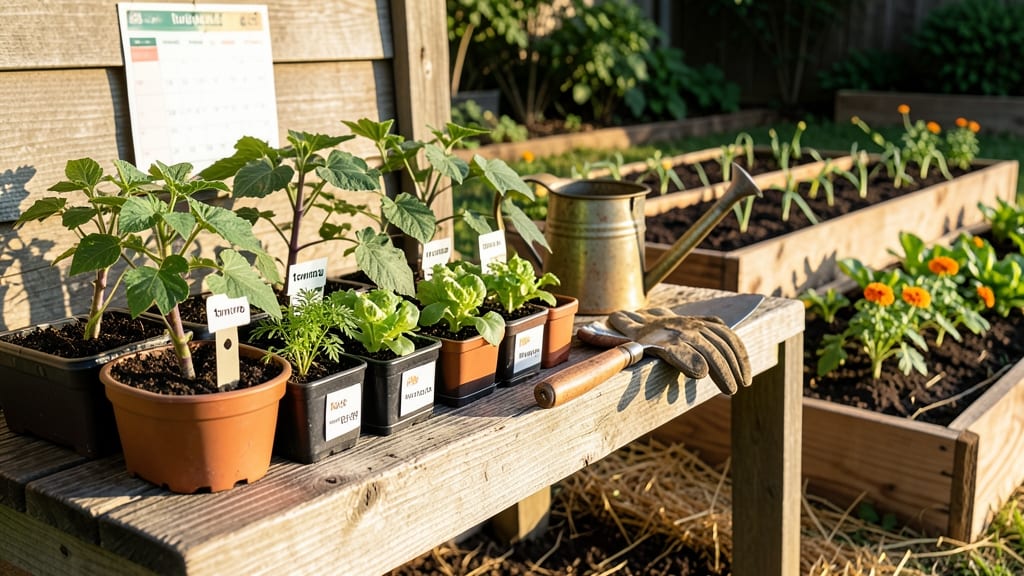
Timing your garden planting in Missouri wrong could mean the difference between a bountiful harvest and a sad, wilted disappointment—especially when unpredictable spring weather throws off your plans.
The key to success isn’t guessing; it’s knowing your exact last frost dates and planting windows for your specific zone, whether you’re in St. Louis, Kansas City, or rural areas.
I’ve spent years tracking Missouri’s frost patterns, and what I’ve learned will help you avoid common mistakes like planting too early and risking frost damage or waiting too long and missing the ideal growing season.
From cool-season greens to heat-loving tomatoes, the right timing ensures your 🌱 thrives when conditions are perfect.
In this guide, I’ll break down the best months to plant everything from vegetables and flowers to perennials, using data from the Missouri Botanical Garden and USDA zone maps. You’ll discover how to adjust for late frosts, early heatwaves, and even drought—so your garden doesn’t just survive, but flourishes.
Ready to turn your Missouri garden into a productive, beautiful space? Let’s dive into the exact planting schedule you need to make this your most successful growing season yet.
Missouri last frost dates by zone: exact timing for starting your garden
Missouri spans USDA hardiness zones 5a-7a, meaning frost dates vary dramatically from northern (like St. Louis) to southern (like Springfield). The average last frost date in northern Missouri hovers around April 15-30, while southern Missouri sees frost-free conditions by March 15-April 15.
These dates determine when to plant cool-season crops like lettuce and when to wait for warm-season favorites like tomatoes.
For precise timing, use the Missouri Botanical Garden’s frost calculator (link in resources) to input your exact county. This tool accounts for microclimates—like urban heat islands—that can delay frost by 1-2 weeks compared to rural areas.
I’ve planted peas in early March in my zone 6a garden only to lose them to late frosts, so I now wait until after April 15 for reliability.
Here’s how to prepare your garden after frost danger passes:
- Test soil temperature—it should reach 60°F+ for warm-season crops
- Add compost to improve drainage
- Hardening off seedlings for 7-10 days before transplanting
- Mulch beds to retain moisture as summer heat arrives
Missouri’s first frost typically arrives between October 15-30, but northern zones can see frost as early as September 15. This timing is critical for fall planting of kale, spinach, and radishes, which thrive in cooler weather.
I’ve successfully extended my harvest by planting broccoli in late August—just 6 weeks before frost—to enjoy it through November.
🌱
Missouri Frost Dates by Zone
| Zone | Avg Last Frost | Avg First Frost | Planting Window |
|---|---|---|---|
| 5a (Northeast MO) | April 25-May 5 | October 10-20 | Cool crops: March 15 Warm crops: May 15 |
| 6a (St. Louis) | April 15-30 | October 15-30 | Cool crops: March 1 Warm crops: April 20 |
| 6b (Central MO) | April 1-15 | October 20-Nov 5 | Cool crops: February 15 Warm crops: April 1 |
| 7a (Southeast MO) | March 15-April 1 | November 1-15 | Cool crops: January 15 Warm crops: March 1 |
*Dates based on 30-year averages; check local almanacs for yearly updates.
To extend your growing season, consider these Missouri-proven strategies:
- Use row covers to protect cool-season crops until May 1
- Install cold frames for early spring starts of lettuce and spinach
- Plant fast-maturing varieties like ‘Early Girl’ tomatoes (55 days) for early harvests
- Try succession planting every 2 weeks for continuous harvests
For container gardening, warm up soil faster by placing pots in south-facing locations and using black plastic mulch. I’ve seen pepper plants in containers 2 weeks ahead of in-ground plantings because the soil warms quicker.
Just ensure containers have drainage holes to prevent root rot during Missouri’s humid summers.
🌿
Pro tip: Monitor your local weather using the National Weather Service or Old Farmer’s Almanac. In 2022, my zone 6a garden experienced a late frost on May 10, wiping out my cabbage seedlings.
Since then, I’ve started hardy crops like kale in late August to ensure a fall harvest before the first frost.
Remember, Missouri’s climate is variable. Even if the average last frost is April 15, a late freeze can occur. Use frost cloth for high-value crops like tomato seedlings until danger has passed.
For perennials, wait until after May 1 to plant tender varieties like hibiscus or canna lilies.
Best planting calendar for Missouri vegetables, flowers, and herbs by month
Missouri’s planting calendar isn’t one-size-fits-all—it’s a month-by-month dance between cool-season crops and heat-lovers. I’ve mapped out the ideal windows for everything from lettuce to tomatoes, using Missouri Botanical Garden data to account for our state’s 5a-7a USDA zones.
For cool-season crops like spinach, peas, and broccoli, start seeds indoors in March and transplant after your last frost date (typically mid-April to early May). These plants hate heat, so plan for a fall harvest too—sow seeds again in August for a late-season bounty.
Warm-season staples like tomatoes, peppers, and squash need to wait until the soil reaches 60°F+.
In Missouri, this usually means late April to early May for southern zones and mid-May for northern areas. Succession planting is key—sow bush beans every 2 weeks from May to July to stretch your harvest.
🌱 Missouri’s Best Month-by-Month Planting Guide 🌱
Pro tip: Use Missouri’s heat zones to guide summer planting. Southern Missouri (Zone 7a) can handle okra and sweet corn earlier than northern areas (Zone 5b). For flowers, zinnias and sunflowers thrive in our heat, while petunias need afternoon shade in July.
Don’t forget herbs! Basil and cilantro love spring/fall, while rosemary and thyme prefer summer’s warmth. Plant them near your tomatoes to deter pests naturally.
Missouri’s fall planting is often overlooked, but it’s your secret weapon for early spring harvests. Try spinach and radishes in August—they’ll be ready by November before the first frost hits.
✂️ Mark your calendar now—your 2025 garden starts with these exact timing tips!