
Vegetables
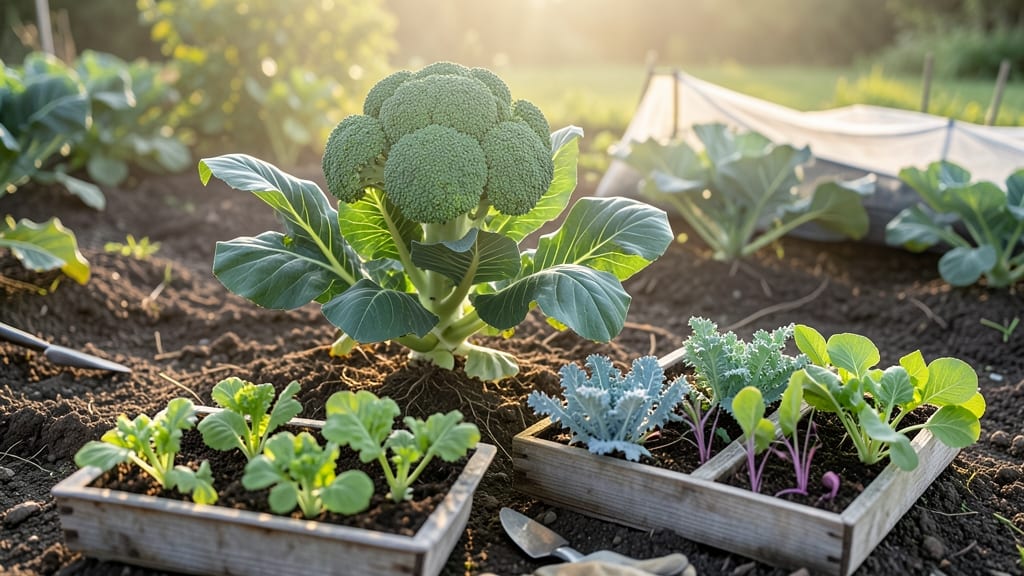
Timing your fall vegetable planting in Virginia can mean the difference between a garden full of crisp, homegrown kale and a patch of frost-bitten disappointment.
With USDA Zones 5b through 8a, knowing exactly when to plant—whether it’s hardy greens like spinach or tender crops like sweet potatoes—is the key to a successful harvest.
Most Virginia gardeners start their fall planting as early as mid-summer, but the exact window depends on your zone and the crop. Plant too soon, and your broccoli might bolt before frost; too late, and your carrots won’t reach maturity.
I’ll break down the zone-specific deadlines you need to avoid these common mistakes and maximize your garden’s potential.
From extending the growing season with row covers to selecting fast-maturing varieties, there’s more to fall planting than just throwing seeds in the dirt. Let’s dive into the strategies that will help you enjoy homegrown vegetables well into winter—without the guesswork.
Whether you’re a seasoned gardener or just starting, these insights will give you the confidence to plant with precision. Ready to transform your fall harvest? Let’s get started.
Virginia’s fall planting deadlines by USDA Zone: exact dates for zero-frost harvests
Understanding Virginia’s USDA Zones 5b-8a is your first step to avoiding frost-killed crops. The key is calculating days to maturity against your average first frost date. In Zone 5b (northern VA), expect frost by October 20-25, while Zone 8a (southern VA) holds off until November 15-20.
Always use fast-maturing varieties—like 45-day bush beans or 50-day turnips—to guarantee harvests before winter.
For cool-season crops (kale, broccoli, carrots), aim to plant 8-10 weeks before frost. Warm-season crops (sweet potatoes, collards) need 90-120 days of heat, so start them by August 1 in cooler zones. Use a soil thermometer to confirm temps are above 50°F—critical for seed germination.
Here’s how to adjust timing by zone:
| USDA Zone | Last Planting Date (Cool-Season) | Last Planting Date (Warm-Season) | First Frost Date | Pro Tip |
|---|---|---|---|---|
| 5b (Northern VA) | August 15–20 | July 15–20 | October 20–25 | Use row covers for 10°F protection. |
| 6a (Central VA) | August 25–September 5 | July 25–August 1 | October 30–November 5 | Plant radishes (25 days) for quick greens. |
| 7a (Southside VA) | September 1–15 | August 10–20 | November 5–10 | Try spinach (30 days) for late harvests. |
| 8a (Tidewater/SE VA) | September 15–October 1 | August 25–September 5 | November 15–20 | Extend season with cold frames. |
Heat units matter more than calendar dates. For example, broccoli needs 1,200 growing degree days (GDD) to mature. Use a GDD calculator to fine-tune planting in Zone 5b’s cooler microclimates. If your garden runs 10% cooler than average, delay planting by 1-2 weeks.
Succession planting is your secret weapon. Sow lettuce every 10 days from August to October to ensure continuous harvests. For warm-season crops, stagger plantings of bush beans every 2 weeks until September 1. This spreads risk and maximizes yield.
Don’t ignore soil preparation. Test your soil’s pH (6.0–7.0) and amend with compost 4–6 weeks before planting. Add aged manure for nitrogen, but avoid fresh manure—it burns seedlings. A mulch layer (2–3 inches) retains moisture and moderates soil temps.
Watch for late-summer heatwaves, which can stress seedlings. If temps hit 90°F+, shade crops with floating row covers or plant in partial shade. Water deeply in the morning to prevent fungal diseases like downy mildew.
Use transplanting trays for slow starters like cabbage or brussels sprouts. Start seeds indoors 6–8 weeks before your zone’s last frost date, then harden off seedlings for 1 week before moving them outdoors. This jump-starts growth in shorter seasons.
Mark your calendar for Virginia’s average frost dates—they’re your ultimate deadline. In Zone 5b, October 20 is your cutoff for 50-day crops; in Zone 8a, you can push it to November 15. But always check local Almanac records—microclimates (like valleys) frost 2–3 days earlier.
Pro tip: Plant frost-tolerant greens like kale or spinach in late September. These thrive at 30–40°F and sweeten after frost! Just cover them with lightweight fabric for 20°F protection.
Best fall vegetables to grow in Virginia: fast-maturing varieties for reliable harvests
Virginia’s fall garden thrives when you choose fast-maturing vegetables that beat frost while delivering bold flavors. Cool-season crops like kale and spinach handle chilly nights, while warm-season holdovers such as bush beans and sweet potatoes reward patience with sweet harvests.
The key? Selecting varieties that mature in 30-60 days—perfect for Virginia’s USDA Zones 5b-8a.
My top picks start with leafy greens like ‘Winterbor’ kale (50 days) and ‘Bloomsdale’ spinach (30 days), both frost-resistant and packed with nutrients. For roots, ‘Danvers’ carrots (65 days) and ‘Purple Top’ turnips (50 days) add crunch to your fall table.
Don’t overlook broccoli—‘Waltham 29’ (60 days) thrives in cooler temps and delivers tender florets.
🌱 Did You Know? Virginia’s first frost dates range from mid-October (Zone 5b) to late November (Zone 8a). Fast-maturing varieties ensure harvests before hard frost—critical for zero-waste gardens!
🌱 Top 5 Fast-Maturing Fall Crops for Virginia
- 🥬 Spinach (‘Bloomsdale’) – 30 days | Cold-hardy to 20°F | Harvest baby leaves in 25 days
- 🥕 Carrots (‘Danvers’) – 65 days | Thin soil for straight roots | Sow 8-10 weeks before first frost
- 🍃 Kale (‘Winterbor’) – 50 days | Sweeter after frost | Cut-and-come-again harvest
- 🌿 Lettuce (‘Black Seeded Simpson’) – 35 days | Shade-tolerant | Succession plant every 2 weeks
- 🍠 Sweet Potatoes (‘Beauregard’) – 90 days | Warm-season holdover | Plant by mid-July for fall harvest
💡 Pro Tip: Use row covers to extend harvests by 2-3 weeks in cooler zones.
For warm-season holdovers, prioritize bush beans (‘Blue Lake’) (50 days) and collard greens (‘Georgia Southern’) (60 days). These tolerate light frosts and even sweeten when exposed to 20-30°F nights. My trick? Plant succession crops every 2 weeks in August to stagger harvests until frost.
Don’t forget herbs like cilantro and parsley, which thrive in fall’s cooler temps. Cilantro (‘Calypso’) bolts slower in fall (45 days) and adds zing to winter salads. Pair it with ‘Italian Flat-Leaf’ parsley (70 days), which stays crisp until December in Zone 7a.
To maximize your fall garden, time transplants for 6-8 weeks before first frost. For example, in Zone 6a (Richmond), that’s mid-August for broccoli and late July for sweet potatoes. Soil temps should stay above 50°F for optimal germination—test with a soil thermometer before planting.
With these frost-resilient varieties and precise timing, your Virginia garden will deliver homegrown harvests from September through November. Start small, experiment with container gardening for delicate crops, and watch your fall bounty grow!