
Vegetables
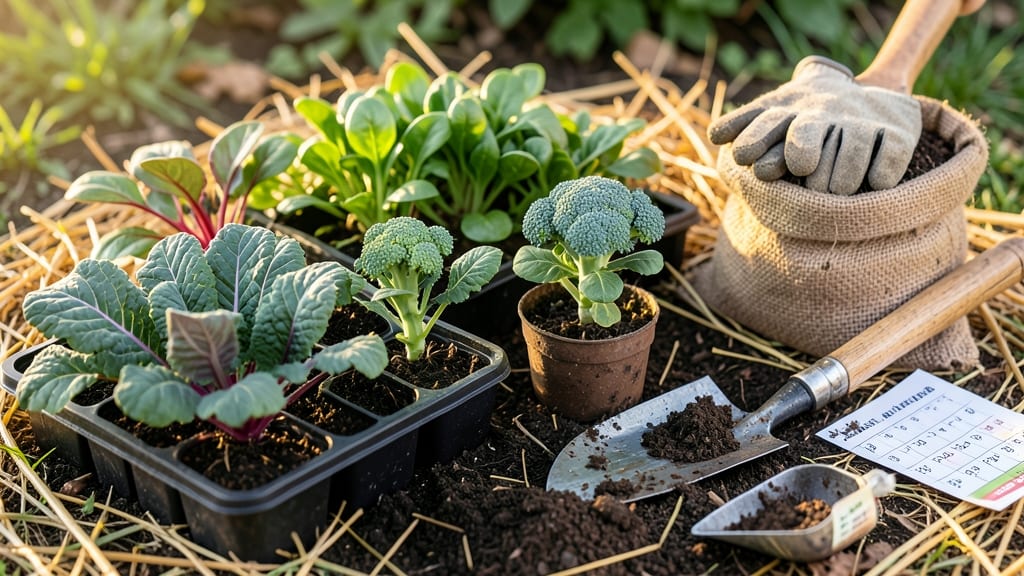
Planting fall vegetables in Zone 5 isn’t just possible—it’s your secret weapon for a fresh harvest when summer crops fade. The right timing (mid-summer to early fall) transforms your garden into a cool-season powerhouse, but get it wrong, and you’ll end up with bolted greens or frost-nipped roots.
Most Zone 5 gardeners assume "fall planting" means throwing seeds in the ground whenever—but that’s a recipe for disappointment. The key is working backward from your first frost date (usually October 1 in 5a/5b), then matching crops to their maturity windows.
Kale and spinach? Plant them 6–8 weeks before frost. Carrots and beets? Give them 70–90 days to bulk up.
I’ve tested these strategies in my own garden, and the difference is night and day. One year, I planted lettuce too late—bolted by September. The next?
I timed it perfectly and harvested crisp heads through November. The trick isn’t luck; it’s knowing exactly when to start each crop for your specific zone.
Ready to turn your fall garden into a harvest goldmine? Let’s break down the optimal planting windows, soil prep tips, and frost-proofing hacks that’ll keep your 🥬 thriving long after summer’s over.
Fall vegetable planting schedule by last frost date in Zone 5
Zone 5 gardeners have a golden window for fall vegetables—typically between mid-July and early September—to ensure a harvest before the first frost. The key is planting 60–90-day varieties 4–8 weeks before your average first frost date (usually September 15–October 15).
For Zone 5a (colder), aim for the earlier end of this range, while Zone 5b (warmer) can stretch planting slightly later. Direct-sown crops like carrots and radishes have more flexibility, while transplants like broccoli or kale need precise timing to avoid bolting or frost damage.
Soil temperature matters just as much as air temperature. Most cool-season crops thrive when soil stays between 45°F and 75°F. Test your soil with a soil thermometer—if it’s below 50°F, delay planting until it warms up.
In Zone 5, this often means waiting until late July or early August for direct sowing. For transplants, warm soil is less critical, but avoid planting when nighttime temps drop below 50°F, as this can stunt growth.
Here’s a visual guide to planting windows, maturity timelines, and Zone 5a/5b adjustments for your fall garden:
| Crop Type | Direct Sow Window | Transplant Window | Days to Maturity | Zone 5a vs. 5b | Example Varieties |
|---|---|---|---|---|---|
| Leafy Greens | Late July–early Sept | Late July–mid-Aug | 30–60 days | 5a: Plant 2 wks earlier | Spinach, Lettuce, Arugula |
| Root Vegetables | Mid-July–early Aug | N/A (direct sow) | 50–90 days | 5b: Extend to early Sept | Carrots, Beets, Radishes |
| Brassicas | Late July–early Aug | Late July–mid-Aug | 60–90 days | 5a: Use faster varieties | Broccoli, Cabbage, Kale |
| Peas & Beans | Early Aug–early Sept | N/A (direct sow) | 50–70 days | 5b: Late Sept possible | Sugar Snap, Shelling Beans |
For Zone 5a gardeners, prioritize fast-maturing varieties (e.g., 30–50-day greens like 'Early Wonder' peas or 'Baby Leaf' lettuce). These give you the best chance to harvest before a hard freeze.
In Zone 5b, you can push the envelope slightly—try succession planting every 2 weeks from mid-July through early September to stagger harvests. For example, plant radishes every 10 days for a continuous crop until frost.
Soil prep is non-negotiable. Before planting, amend your beds with compost or aged manure to improve drainage and fertility. Cool-season crops like kale and spinach thrive in slightly acidic soil (pH 6.0–7.0), while carrots and beets prefer loose, rocky-free soil to prevent forking.
A light mulch (straw or shredded leaves) after planting helps retain moisture and regulate soil temperature.
Pro tip: Use row covers or cold frames to extend your harvest window by 2–4 weeks. These simple tools can protect tender crops like lettuce or spinach from light frosts (down to 25°F), giving you extra time to enjoy fresh greens.
Just remember to remove covers during the day to prevent overheating or moisture buildup.
Timing your fall garden isn’t just about dates—it’s about balancing soil warmth, daylight hours, and frost risk. By following this schedule, you’ll avoid the top 3 mistakes
Fall vegetable planting schedule by last frost date in Zone 5
Timing is everything when planting fall vegetables in Zone 5. Most cool-season crops need 60–90 days to mature before the first frost (typically October 1–15 in Zone 5). Start by calculating your last frost date—this determines when to sow seeds or transplant seedlings.
For example, if your frost date is October 1, aim to plant 60-day crops by August 1 and 90-day crops by July 1.
Zone 5 has two sub-zones: 5a (hardier) and 5b (warmer). Adjust planting dates 1–2 weeks earlier for 5b. For instance, if you’re in Zone 5b, you can push your late August planting window slightly later than 5a gardeners.
Always check your local USDA Plant Hardiness Zone Map for precision.
| Crop Type | Direct Sow Window | Transplant Window | Days to Maturity | Zone 5a vs. 5b | Example Varieties |
|---|---|---|---|---|---|
| Leafy Greens | Late July–early Aug | Mid-Aug–late Aug | 30–60 days | 5b: +1 week | Spinach, Kale, Lettuce |
| Root Vegetables | Mid-Aug–early Sept | Late Aug–mid Sept | 60–90 days | 5a: -1 week | Carrots, Beets, Radishes |
| Brassicas | Early July–mid Aug | Late July–early Aug | 70–100 days | 5b: +2 weeks | Broccoli, Cabbage, Brussels Sprouts |
For high-risk crops like cabbage, plant transplants instead of seeds—they mature faster. Seedlings should be 4–6 weeks old when transplanted. If you’re in Zone 5a, prioritize fast-maturing varieties (e.g., ‘Early Snowball’ cabbage or ‘Rainbow Chard’) to avoid frost damage. Always check seed packets for days-to-maturity guidelines.
Soil temperature matters too. Cool-season crops thrive in 45–75°F soil. Test your soil with a soil thermometer—if it’s above 80°F, wait a few weeks or use shade cloth to cool the bed. Direct-sown seeds (like carrots) need consistent moisture to germinate, so water gently after planting.
Pro tip: Use succession planting for fast crops like radishes (25–30 days to harvest). Sow every 2 weeks from August to September for a continuous harvest. For longer-season crops (e.g., kale), plant transplants in late August—they’ll sweeten with frost and keep producing until winter.
Don’t forget to harden off seedlings before transplanting. Place them outdoors for 3–5 days, gradually increasing exposure to sun and wind. This reduces transplant shock and ensures stronger plants. With the right timing, your Zone 5 fall garden can yield just as much as your spring harvest! 🌱