
Plants
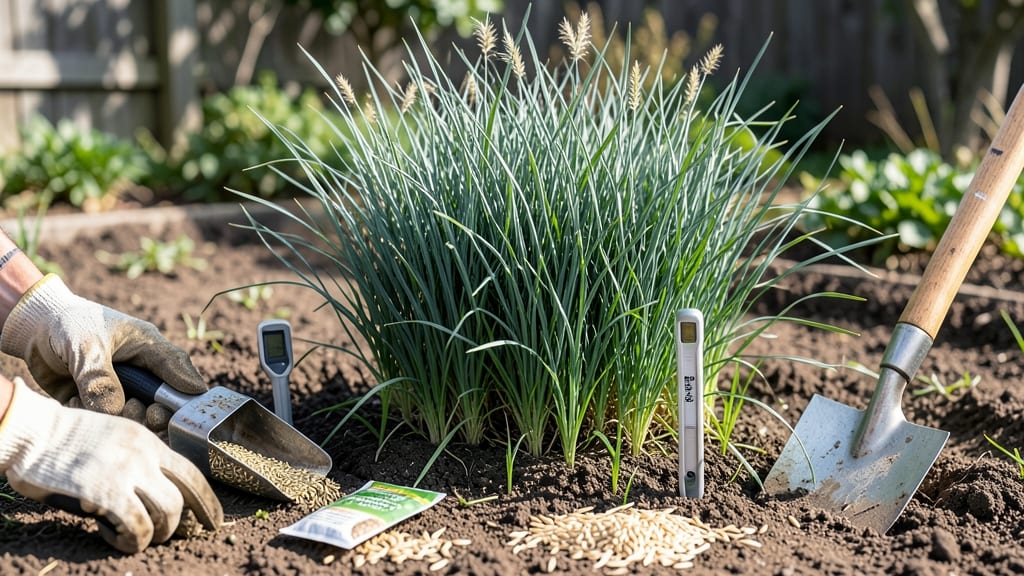
Planting fescue seed in Atlanta at the wrong time means battling summer heat and humidity instead of establishing that deep, drought-resistant root system you’re after.
The perfect window—late summer to early fall—lets your grass take hold before winter slows things down, giving you a head start for next year’s growth.
Atlanta’s 7b-8a climate throws a curveball with its intense summer heat and unpredictable rainfall, but timing is everything. If you plant too early, the seed struggles to germinate; too late, and frost can damage young shoots.
I’ll show you exactly when to get those seeds in the ground for strong, healthy fescue that thrives year-round.
Microclimates in Atlanta—like the cooler Piedmont hills versus the hotter metro areas—mean your neighbors might be planting at different times. We’ll break down how to adjust for your specific zone, plus soil prep tips to make sure your fescue gets off to the best possible start in Atlanta’s challenging conditions.
Whether you’re a first-time lawn starter or a seasoned gardener, getting this right saves you time, money, and frustration. Let’s dive into the exact steps to plant fescue seed when it counts most in Atlanta’s climate.
Optimal planting windows for fescue in Atlanta’s climate zones
Atlanta’s humid subtropical climate creates a narrow window for planting fescue seed—too early, and summer heat will stress young roots; too late, and winter dormancy arrives before establishment. The ideal planting window spans late August through mid-October, aligning with USDA Zones 7b-8a temperature thresholds.
This timing ensures 60-70°F soil temperatures and consistent rainfall (Atlanta averages 3-4 inches/month in fall), giving seeds the best chance to germinate before cooler weather sets in. Early fall also avoids the peak summer heat (often exceeding 90°F), which can bake seeds before they sprout.
For those considering spring planting, late February to early March works—but success hinges on soil warming above 55°F and avoiding late frosts (Atlanta’s last frost typically occurs March 15). Spring-planted fescue faces higher drought stress as summer approaches.
Here’s how Atlanta’s seasonal patterns directly impact your planting schedule:
| Season | Optimal Planting Window | Soil Temp (°F) | Rainfall (in/month) | Key Consideration |
|---|---|---|---|---|
| Fall | Late August – Mid-October | 60-70°F | 3-4 inches | Deep root establishment before winter |
| Spring | Late February – Early March | 55-65°F | 4-5 inches | Higher drought risk; avoid late frosts |
| Summer | Not recommended | >85°F | 2-3 inches | Seeds dry out; poor germination |
| Winter | Not applicable | <40°F | 3-4 inches | Seed dormancy; no growth |
Atlanta’s first frost date (typically November 15) marks the cutoff for fall planting. Aim to sow seeds 4-6 weeks before frost to allow roots to penetrate 4-6 inches deep—critical for drought resistance. Deep-rooted fescue thrives in Atlanta’s clay-heavy soils once established.
For urban Atlanta (metro areas like Buckhead or Midtown), heat islands can delay soil cooling by 1-2 weeks compared to suburban areas like Duluth or Sandy Springs. Use a soil thermometer ($15 at garden centers) to confirm 60°F+ soil temps before planting.
Pro tip: Overseeding existing lawns in fall is ideal—fescue’s cool-season growth aligns with Atlanta’s mild winters (avg. lows of 35°F), while avoiding summer’s 90°F+ heat that stresses young grass. Spring overseeding is riskier due to late frost threats and drought stress.
Always check NOAA Atlanta forecasts for 3-day rainfall predictions—avoid planting if 3+ inches of rain is forecasted within 48 hours, as this can wash seeds away or cause fungal diseases like brown patch. Morning planting (before 10 AM) minimizes heat stress on seeds.
Remember: Fescue’s deep roots take 6-8 weeks to establish. Planting too late in fall risks shallow roots before winter dormancy, leaving your lawn vulnerable to summer heat and drought.
How Atlanta’s microclimates affect fescue seed germination timing
Atlanta’s diverse neighborhoods create microclimates that shift your ideal planting window by weeks. The Piedmont region (north Atlanta) stays cooler longer, while metro heat islands (southside) bake faster—adjusting your schedule prevents seed failure.
Even elevation changes of 50 feet can delay frost by 7-10 days, so check your specific zone before buying seed.
Urban areas like Midtown and Buckhead experience heat islands where pavement holds warmth, pushing optimal planting to late August instead of September. Meanwhile, northern suburbs like Duluth can safely plant until October 1st due to cooler nights. This variability means soil temperature (not calendar dates) should guide your timing.
Use these local adjustments based on Atlanta’s geography:
- North Atlanta: Plant 2 weeks earlier (mid-August)
- Downtown/Midtown: Stick to late August
- South Atlanta: Delay until early September
- Elevation >1,000 ft: Extend window to mid-October
- 📍 North Atlanta (Piedmont): Soil temp drops below 70°F by late September—plant by August 20.
- 🏙️ Urban Heat Islands: Pavement keeps soil 5-10°F warmer—wait for soil thermometer readings of 65-75°F (typically late August).
- 🌳 Tree-Covered Areas: Shade delays warming—plant 1-2 weeks later than sun-exposed lawns.
- ⛰️ Elevation >1,000 ft: Cooler microclimate extends window to mid-October—verify last frost date (often Nov 20).
- 💧 Rainfall Patterns: South Atlanta gets 10% more rain in September—delay planting if 3+ rainy days forecasted.
Track local soil temperatures using free tools like the Georgia Automated Environmental Monitoring Network (AEMN) or a $15 soil thermometer. Aim for 65-75°F soil temps at 4-inch depth—this range ensures consistent germination without heat stress.
My personal rule: If your lawn feels warm to bare feet, it’s too hot for planting.
For precision planting, test your yard’s microclimate by placing a thermometer in full sun and shade for 3 days. If the difference exceeds 10°F, treat them as separate zones.
This simple step saved my first fescue attempt—the north side thrived while the south side failed due to overheating.
Remember: Atlanta’s humidity (60-80% in summer) speeds up seed decay if planted too late. The 4-6 week window before first frost (typically November 15) is your sweet spot—use this timeline to avoid both heat stress and fungal risks from prolonged dampness.