
Flowers
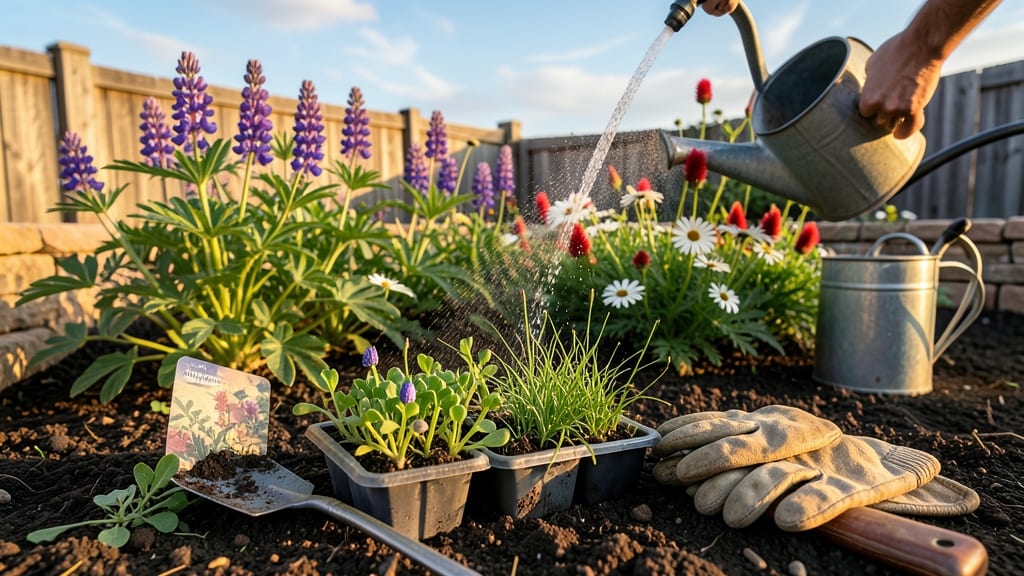
Planting flower seeds in Texas isn’t just about grabbing a packet and tossing it in the dirt—it’s about beating the heat, dodging frost, and knowing your zone’s exact window for success.
Whether you’re in chilly North Texas or sweltering South Texas, timing makes the difference between a burgeoning garden and a sad, wilted disappointment.
Most Texas gardeners assume spring is the only time to plant, but fall is actually the secret weapon for cooler-season blooms.
While summer’s scorching temperatures can fry delicate seedlings, the right heat-tolerant varieties (like zinnias or cosmos) thrive when sown in late spring or early fall—just as the worst heat starts to ease.
Here’s the game-changer: Your USDA zone (8a-10b) dictates everything. In North Texas, you’ve got until March for spring plantings, while South Texas gardeners can push it to April before the heat becomes unbearable.
And don’t forget—some flowers, like marigolds, are tough enough to handle Texas’s extremes if planted at the right time.
I’ll break down the perfect months for every zone, plus pro tips for soil prep and heat-resistant picks that actually bloom in our brutal summers. Let’s get those 🌸 seeds in the ground the right way—no guesswork, just guaranteed blooms.
Texas USDA Zones & exact months to plant flower seeds by season
Texas spans USDA Zones 7a through 10b, meaning frost dates vary dramatically—from mid-February in North Texas to January in South Texas. This diversity means your planting schedule must adapt to avoid frost damage or heat stress.
The key is aligning your flower seed choices with the season: cool-season blooms like pansies thrive in spring/fall, while heat-loving annuals like zinnias demand summer planting.
For example, Zone 8a gardeners (Dallas, Austin) can start cool-season flowers like snapdragons as early as September, while Zone 10a gardeners (Houston, San Antonio) might plant marigolds year-round with minimal frost risk.
Understanding these micro-climates ensures your seeds germinate in ideal temperatures—60–75°F for most flowers—rather than struggling in extreme heat or cold.
Here’s the golden rule: Plant cool-season flowers 4–6 weeks before your average last frost date and heat-loving annuals after the soil warms to 65°F.
In Texas, this often means spring (March–April) and fall (September–October) are your prime windows, with summer (June–August) reserved for drought-tolerant varieties like lantana or portulaca.
🌱 Texas Flower Planting Guide by USDA Zone & Season
| USDA Zone | Last Frost Date | Best Planting Months | Cool-Season Flowers | Heat-Loving Annuals |
|---|---|---|---|---|
| 7a (North Texas) | Feb 15 | Sep–Oct, Mar–Apr | Pansies, Snapdragons | Zinnias, Sunflowers |
| 8a (Central Texas) | Feb 1 | Sep–Nov, Mar–May | Sweet Alyssum, Calendula | Marigolds, Cosmos |
| 9a (South Texas) | Jan 15 | Oct–Dec, Feb–Apr | Violas, Stock | Petunias, Lantana |
| 10a (Deep South) | Dec 15 | Year-round (staggered) | Pansies (winter) | Geraniums, Portulaca |
💡 Pro Tip: Use shade cloth in summer to protect heat-sensitive seedlings.
Let’s break down the two critical seasons for Texas flower gardening. Spring planting (March–April) is ideal for cool-hardy annuals like snapdragons and calendula, which can tolerate light frosts if established early.
Meanwhile, fall planting (September–October) gives these same flowers a second chance to bloom before winter sets in—especially in Zones 7a–8a.
For summer planting (June–August), focus on drought-resistant, heat-tolerant varieties like zinnias or sunflowers, which thrive in 90°F+ temperatures. These flowers often bolt (go to seed) quickly in Texas’s heat, so direct-sow seeds after Memorial Day for the best results.
Avoid planting delicate flowers like impatiens during peak summer unless you’re using drip irrigation and shade cloth.
One common mistake I see is planting too early in spring without checking soil temperatures. Use a soil thermometer—most flower seeds need 60–75°F soil to germinate.
In North Texas (Zones 7a–8a), wait until April 15 for warm-season flowers, while South Texas (Zones 9a–10b) can start as early as February for varieties like marigolds
How to extend your flower season: staggered planting & succession tips
Texas’s extreme heat and unpredictable frost make season extension a game-changer for gardeners. By using staggered planting and succession sowing, you can enjoy blooms from early spring through late fall—even in USDA Zones 8a-10b. The key? Planting in 3-week intervals for continuous color.
Start with heat-tolerant annuals like zinnias and cosmos in late March for summer blooms, then repeat in mid-July for fall color. For cool-season flowers like pansies or snapdragons, begin sowing in September for winter blooms, then replant in January to beat spring heat.
Indoor seed starting is your secret weapon. Kick off marigolds or sunflowers indoors in February (6-8 weeks before last frost) to transplant outdoors in April100°F+ summers arrive.
- 📅 Stagger plantings every 3 weeks for non-stop blooms (e.g., cosmos every March 1, 22, April 12).
- 🏡 Start seeds indoors 6-8 weeks before last frost (use grow lights for 14+ hours/day).
- ☀️ Use shade cloth (30-50%) for heat-sensitive flowers like petunias in June-July.
For fall blooms, sow winter annuals like calendulas or sweet alyssum in August-September. These thrive in cooler temps and often self-seed, giving you free flowers next year. Just avoid planting after October 15 in North Texas—frost can strike by December 1.
Pro tip: Mulch heavily (2-3 inches of straw) to protect young seedlings from temperature swings. In South Texas (Zones 9a-10b), you can even plant tropical flowers like portulaca in April for year-round color.
Don’t forget succession planting for edible flowers too! Sow nasturtiums every 4 weeks from March to September—they’re fast-growing (30-40 days to bloom) and pest-resistant, perfect for Texas’s short growing windows.