
Flowers
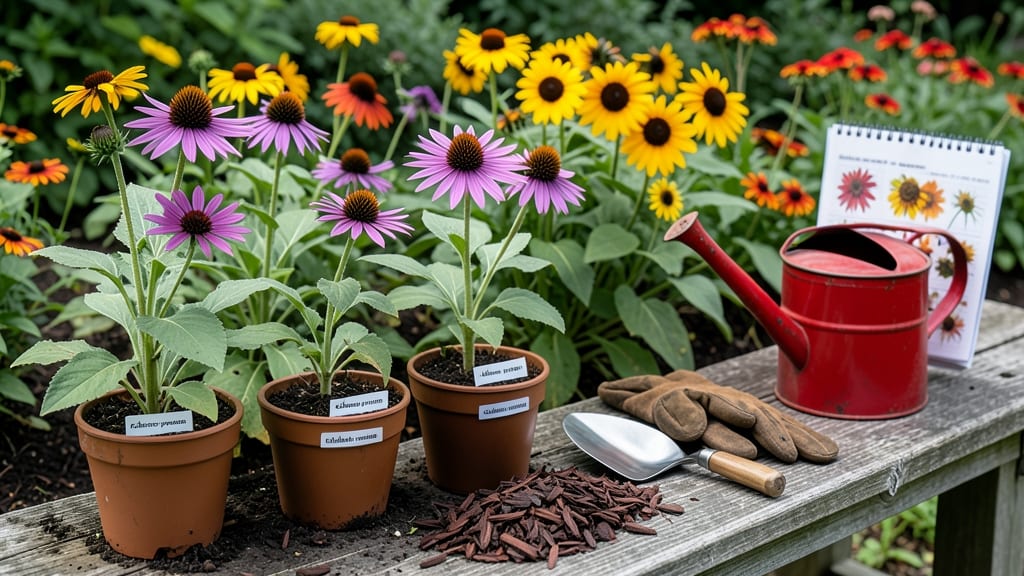
Planting your 🌸 Flowers at the wrong time in Nebraska can mean the difference between a showstopping garden and a sad, frost-nipped disappointment.
The key isn’t just waiting until spring—it’s knowing exactly when your county’s last frost typically passes, so you can time your annuals, perennials, and bulbs for maximum bloom power.
With USDA zones 5a-6b bringing unpredictable frost dates, I’ve done the research to help you avoid common mistakes. Whether you’re in Omaha’s urban heat islands or rural areas where Chinook winds can push back frost, these timing tricks will give your garden a fighting chance against Nebraska’s unpredictable weather patterns.
From April’s last-frost deadlines to August’s fall-planting opportunities, I’ll walk you through the perfect windows for every flower type—plus how to adjust for microclimates that can shift your planting schedule by weeks. Let’s make sure your 🌸 Flowers thrive, not just survive.
Ready to transform your garden into a zero-frost paradise? I’ll share the exact strategies I’ve used to guarantee blooms—no matter where you are in the state. Let’s get started.
Nebraska’s frost-free planting deadlines by county: a 2024 guide
Nebraska’s last frost dates can vary by 1-2 weeks between counties, making precise timing critical for zero-frost blooms. Whether you’re in Omaha’s urban heat island or rural Scottsbluff’s windy plains, knowing your county’s average helps you avoid frost-damaged petals and maximize summer-long color.
Below are the 2024 planting windows based on 13-year frost data (2010–2023).
For most of Nebraska (USDA Zones 5a–6b), spring planting begins after April 15, but eastern counties like Douglas (Omaha) and Lancaster (Lincoln) often see frost-free soil by mid-April.
Meanwhile, western counties like Chase (Imperial) and Box Butte (Alliance) may wait until May 1 or later. Fall planting for hardy annuals like pansies or calendulas starts 8–10 weeks before first frost, typically August 1–15.
🌱 Nebraska County Planting Deadlines 2024
| County | Last Frost (Avg.) | Spring Planting Window | Fall Planting Window | Top Flowers for Zone |
|---|---|---|---|---|
| Douglas (Omaha) | April 10 | April 15–May 10 | Aug 1–Sept 15 | Petunias, Zinnias, Cosmos |
| Lancaster (Lincoln) | April 12 | April 20–May 15 | Aug 5–Sept 10 | Geraniums, Snapdragons, Marigolds |
| Sarpy (Bellevue) | April 11 | April 18–May 12 | Aug 1–Sept 12 | Impatiens, Begonias, Ageratum |
| Kearney (Central NE) | April 20 | May 1–May 20 | Aug 10–Sept 5 | Coreopsis, Black-Eyed Susans |
| Scotts Bluff (Western) | May 1 | May 10–June 1 | Aug 15–Aug 30 | Lavender, Russian Sage |
*Rural areas may experience earlier frosts than urban zones due to wind exposure. Always check local weather 1 week before planting.
If you’re planting cold-hardy annuals like sweet alyssum or lobelia, you can push the envelope by planting 2–3 weeks before the average last frost. These frost-tolerant varieties often survive light frosts (28–32°F) and even rebound after damage.
For tender annuals (e.g., geraniums, petunias), wait until soil temps hit 50°F—use a soil thermometer to confirm.
For perennials, timing matters less for spring planting since they’re established, but fall planting (e.g., coneflowers, black-eyed Susans) should happen 6–8 weeks before first frost to allow root establishment. Bulbs like tulips can go in October–November, but spring-blooming bulbs
How to adjust planting for Nebraska’s microclimates: urban vs. rural timing hacks
Nebraska’s urban heat islands in cities like Omaha and Lincoln can create 2-4°F warmer microclimates than rural areas. This means your last frost date might arrive 1-2 weeks earlier in the city compared to western counties like Scottsbluff or Sidney.
Always check your local USDA Zone (5a-6b) and adjust planting 10-14 days earlier in urban areas.
For example, cosmos and zinnias—two of Nebraska’s most frost-sensitive bloomers—can often be planted 2 weeks earlier in Omaha’s urban heat pockets than in rural Douglas County.
Use Chinook wind patterns (common in western NE) to your advantage by planting hardy perennials like coneflowers slightly earlier in wind-sheltered spots.
🌱
🌆 Urban vs. Rural Planting Adjustments
- ✅ Plant 10-14 days earlier due to heat islands
- ✅ Use reflective mulches to cool soil
- ✅ Choose heat-tolerant varieties (e.g., Lantana, Portulaca)
- ⚠️ Wait 1-2 weeks longer for frost safety
- ⚠️ Protect with row covers for early spring
- ⚠️ Prioritize cold-hardy perennials (e.g., Black-eyed Susans, Russian Sage)
💡 Pro Tip: Test soil temperature with a soil thermometer—plant when it hits 50°F+ for most annuals.
If you’re in western Nebraska, leverage Chinook winds to extend your season. These warm winds can raise temperatures 30°F+ in hours, allowing you to plant tender annuals like impatiens 2 weeks earlier in windward-facing beds.
Monitor local weather forecasts for Chinook alerts and adjust your planting schedule accordingly.
For eastern Nebraska, where humidity plays a bigger role, focus on well-draining soil and morning watering to prevent fungal diseases that thrive in damp conditions. Mulch heavily with straw or wood chips to insulate roots and maintain consistent soil temps—critical for late-spring bloomers like peony.
🌿