
Flowers
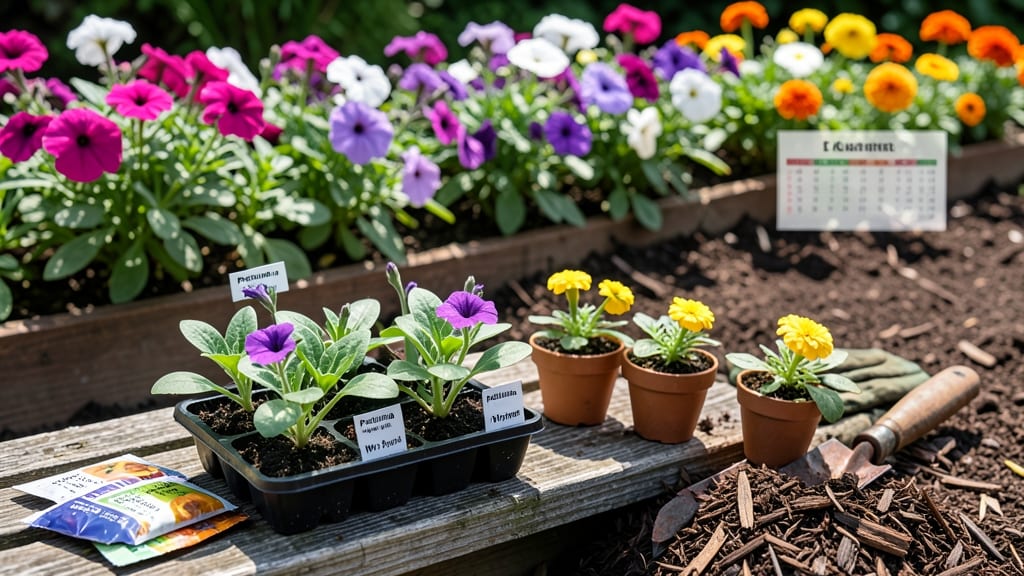
Knowing when to plant flowers in Connecticut isn’t just about luck—it’s the difference between a garden bursting with 🌸 and one that fizzles before summer.
With USDA Zones 5b-6b and frost dates that shift from inland to coastal areas, planting too early risks a freeze, while waiting too long means missing peak bloom season.
I’ve watched my own flowers struggle when planted at the wrong time, and the lessons learned are what I’m sharing here.
Whether you’re a first-time gardener or a seasoned pro, knowing when to tuck in those bulbs or pop in annuals can mean the difference between a 3-month display and a 6-week one.
From late April to mid-May for spring bloomers to September’s fall planting window, I’ll break down the exact deadlines for Connecticut’s most popular flowers. We’ll cover soil prep, frost tricks, and even how to cheat the system with cold-hardy varieties—so you can enjoy vibrant blooms from June through October.
Ready to turn your garden into a year-round showstopper? Let’s dive into the zone-specific schedule that’ll keep your flowers thriving—no guesswork required.
Connecticut’s flower planting calendar by Zone and frost dates
Connecticut’s USDA Zones 5b-6b create a 10-14 day window for planting flowers, depending on whether you’re in coastal New London or inland Hartford. The average last frost date hovers around April 15, but inland areas can see frost as late as May 1.
For fall planting, aim for September 15-October 1, before the first hard frost.
Coastal regions like Groton or Mystic enjoy 2-3 weeks earlier planting due to milder microclimates. Inland areas like Waterbury or Torrington should wait until soil reaches 60°F—test with a soil thermometer for accuracy. Perennials like daylilies handle cooler soil better, while tender annuals (e.g., petunias) need warmth.
Use this frost-free timeline to plan:
- Zone 5b (e.g., Hartford): Last frost April 22, first frost October 20
- Zone 6a (e.g., New Haven): Last frost April 15, first frost October 10
- Zone 6b (e.g., Stamford): Last frost April 5, first frost October 5
| Zone & Region | Last Frost Date | First Frost Date | Spring Planting Window | Fall Planting Window |
|---|---|---|---|---|
| Zone 5b (Hartford, Waterbury) | April 22 | October 20 | May 1–May 15 | September 15–October 1 |
| Zone 6a (New Haven, Bridgeport) | April 15 | October 10 | April 25–May 10 | September 1–September 15 |
| Zone 6b (Stamford, Norwalk) | April 5 | October 5 | April 15–April 30 | August 20–September 1 |
For annual flowers like marigolds or zinnias, wait until after May 1 in Zone 5b to avoid frost damage. Perennials such as black-eyed Susans or coneflowers can handle cooler soil, so plant them 2-3 weeks earlier than annuals. Bulbs like daffodils or tulips should go in the ground by November 1 for spring blooms.
Pro tip: Use row covers or cold frames to extend your planting window by 2-3 weeks in early spring. This lets you plant tender annuals like geraniums or impatiens as early as April 1 in Zone 6b. Just remove covers when nighttime temps stay above 40°F.
Soil temperature is more critical than air temperature. Use a soil thermometer to confirm 60°F+ for warm-season annuals. Cool-season flowers (e.g., pansies, snapdragons) can tolerate 50°F soil and can be planted 4-6 weeks before last frost.
Inland areas like Litchfield Hills often see later frosts due to colder nights. Check local weather stations or use CT Agricultural Experiment Station frost data. Coastal gardens in New London County may push planting to March 20 for hardy varieties.
For fall planting, aim to get perennials established 6-8 weeks before frost. This means September 1 in Zone 6b and September 15 in Zone 5b. Mums and asters thrive with this timing, while tender perennials (e.g., lavender) need to be potted up before frost.
Remember: Micro
Best flowers to plant in Connecticut by season (with exact timing)
Connecticut’s diverse climate means you can enjoy year-round blooms with the right timing.
Spring bulbs like daffodils and tulips should hit the soil by late September to naturalize, while summer annuals like marigolds and zinnias thrive when planted after the last frost—typically mid-May for inland areas and early May near the coast.
Fall is your secret weapon for perennials like black-eyed Susans and coneflowers. Plant them in September to give roots time to establish before winter. Coastal areas can push this window slightly later, but inland gardeners should aim for early October at the latest to avoid early frost.
🌸
🌿 Connecticut Flower Planting Timeline
- 📅 Late September: Plant spring-blooming bulbs (daffodils, tulips) for early color.
- 📅 Mid-May: Start summer annuals (marigolds, petunias) after last frost.
- 📅 September: Set out perennials (coneflowers, daylilies) for fall establishment.
- 📅 Early October: Plant hardy annuals (pansies, snapdragons) for winter interest.
For soil prep, Connecticut’s clay-heavy soil often needs amending. Mix in compost or aged manure 4-6 weeks before planting to improve drainage. Test your soil’s pH—most flowers prefer 6.0-7.0. If your soil is too acidic, add lime; for alkaline soil, use sulfur or peat moss.
Don’t overlook companion planting! Pair marigolds with tomatoes to deter pests, or plant basil near petunias to boost growth. These pairings create a thriving ecosystem while keeping your garden pest-free.
In coastal CT, where winters are milder, you can extend your season. Try pansies or violas in October for winter color. Inland gardeners should opt for cold-hardy varieties like shasta daisies or Russian sage, which tolerate Zone 5b’s chill.
Pro tip: Mark your calendar with local frost dates—use Almanac.com’s CT frost predictor. Adjust planting by 1-2 weeks based on your microclimate. A frost-free window of 165 days means your choices are endless!