
Flowers
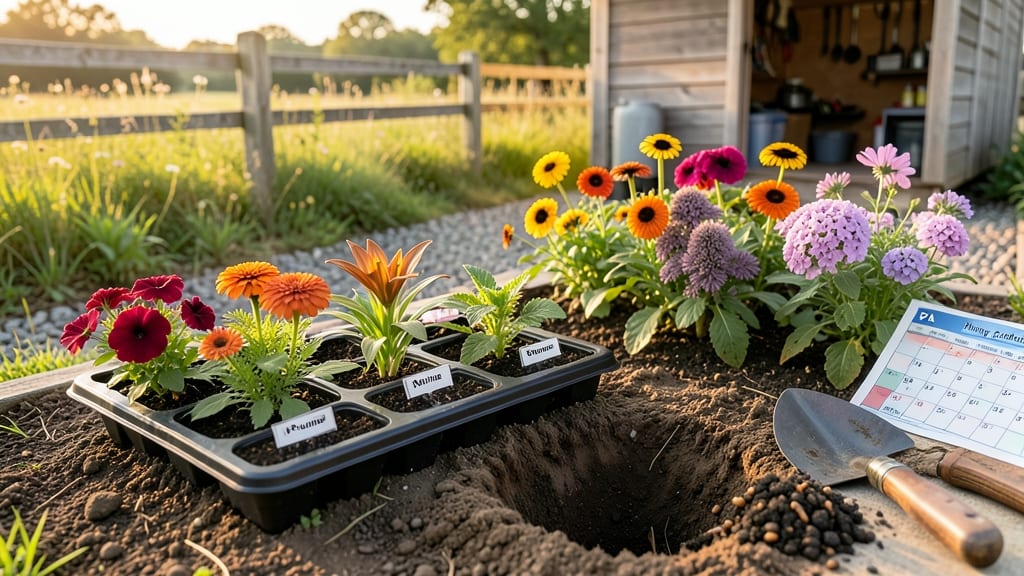
Timing your flowers planting in Pennsylvania can feel like guessing when to pull the trigger—get it wrong, and your garden might just sleep through the whole growing season.
With USDA Zones 5-7 bringing everything from late frosts in Pittsburgh to sweltering Philadelphia summers, knowing the right window makes all the difference.
You don’t need a crystal ball, though. The secret lies in understanding your region’s last frost dates—typically around April 15—and how to work with Pennsylvania’s unpredictable weather.
Whether you’re dreaming of spring tulips 🌸 or summer zinnias, planting at the wrong time can mean waiting months for blooms (or worse, no blooms at all).
Here’s what I’ll show you: how to align your planting schedule with Pennsylvania’s climate zones, when to start seeds indoors vs. direct-sowing outdoors, and which flowers thrive in each season. No more second-guessing—just a foolproof calendar to turn your garden into a year-round showstopper.
Ready to skip the trial-and-error? Let’s dive into the exact planting windows that’ll have your flowers flourishing from spring to fall, no matter where you are in the Keystone State.
Pennsylvania flower planting calendar by USDA zone 5-7 (with last frost dates)
Timing your flower planting in Pennsylvania depends heavily on USDA Zones 5-7 and regional last frost dates. Most of the state falls into these zones, but microclimates—especially in cities like Philadelphia (Zone 7b) versus Erie (Zone 6a)—can shift planting windows by weeks.
For example, Pittsburgh (Zone 6b) typically sees its last frost around April 15, while Scranton (Zone 5b) may wait until May 1. Always check local weather forecasts to avoid frost damage to tender seedlings.
Understanding these variations is critical because planting too early risks frost damage, while waiting too long can shorten the blooming season. Annual flowers like zinnias and marigolds thrive when planted after the last frost, while perennials like coneflowers can handle cooler spring soil. Bulbs, including tulips and daffodils, must be planted in fall (4-6 weeks before the first frost) to establish roots before winter dormancy.
Here’s a breakdown of Pennsylvania’s planting calendar, including month-by-month guidelines for seeds, transplants, and bulbs across the state’s zones. Use this as your roadmap to maximize blooms from spring to fall.
| Month | Zone 5 (Scranton, Altoona) | Zone 6 (Pittsburgh, Harrisburg) | Zone 7 (Philadelphia, Erie) |
|---|---|---|---|
| February | Start indoor seeds (petunias, snapdragons) | Start indoor seeds (tomatoes, peppers) | Start indoor seeds (early bloomers like pansies) |
| March | Plant hardy bulbs (crocus, hyacinth) | Plant spring bulbs (tulips, daffodils) | Plant spring bulbs and perennial seeds (lavender, salvia) |
| April | Wait for last frost (after April 15); plant cool-season veggies and hardy annuals (pansies, sweet peas) | Plant annuals (marigolds, zinnias) and transplants (after April 1) | Plant warm-season flowers (begonias, impatiens) and transplants (after March 20) |
| May | Plant warm-season flowers (sunflowers, cosmos) and perennials (cone flowers, black-eyed Susans) | Direct sow annuals (nasturtiums, alyssum) and transplant tender perennials | Direct sow late-season flowers (zinnias, cleome) and succession plant every 2 weeks |
| September | Plant fall-blooming bulbs (aster, chrysanthemum) and cool-season annuals (pansies, snapdragons) | Plant bulbs for spring (tulips, daffodils) and perennials (sedum, Russian sage) | Plant winter-hardy flowers (hellebores, winter aconite) and spring bulbs |
| October | Plant spring bulbs (4-6 weeks before first frost) | Plant spring bulbs and cover soil with mulch |
Best flowers to plant in Pennsylvania by season (cold-hardy vs. heat-loving varieties)Pennsylvania’s diverse climate means you’ll need seasonal specialists—some flowers thrive in cool springs, while others demand summer heat. I’ve curated a list of top-performing blooms that handle PA’s humidity and temperature swings like pros. Start with these cold-hardy champions for early color, then transition to heat-lovers as temperatures rise. For spring blooms, prioritize tulips and daffodils—they brave late frosts and multiply yearly. Pansies and violas also excel in cool weather, offering bright color from March through May. These well-adapted perennials reward patience with low-maintenance beauty and deer resistance.
🌱
Spring StarsTulips, Daffodils, Pansies, Violas ☀️
Summer ShowstoppersZinnias, Sunflowers, Coneflowers, Black-Eyed Susans 🍂
Fall FavoritesMums, Asters, Russian Sage, Goldenrod ❄️
Winter InterestHellebores, Winter Aconite, Ornamental Grasses When summer arrives, swap out spring ephemerals for heat-tolerant annuals like zinnias and sunflowers. These drought-resistant darlings flourish in PA’s July heat and attract pollinators. For perennial powerhouses, coneflowers and black-eyed Susans deliver months of blooms with minimal fuss—perfect for busy gardeners. Don’t overlook fall planting—this is when perennials establish roots for next year. Russian sage and goldenrod thrive in cool autumn air and offer late-season color. Even mums (a PA staple) benefit from early fall soil prep—amend with compost to boost next spring’s blooms. For year-round structure, add ornamental grasses like Miscanthus or feather reed grass. These low-maintenance stalwarts handle PA’s harsh winters and summer humidity while providing movement and texture. Pair them with winter aconite for early spring color before bulbs emerge. Pro tip: Group plants by water needs—drought-tolerant zinnias near moisture-loving impatiens creates microclimates that extend your seasonal blooms. With this seasonal rotation, your PA garden will burst with color from March through October. |